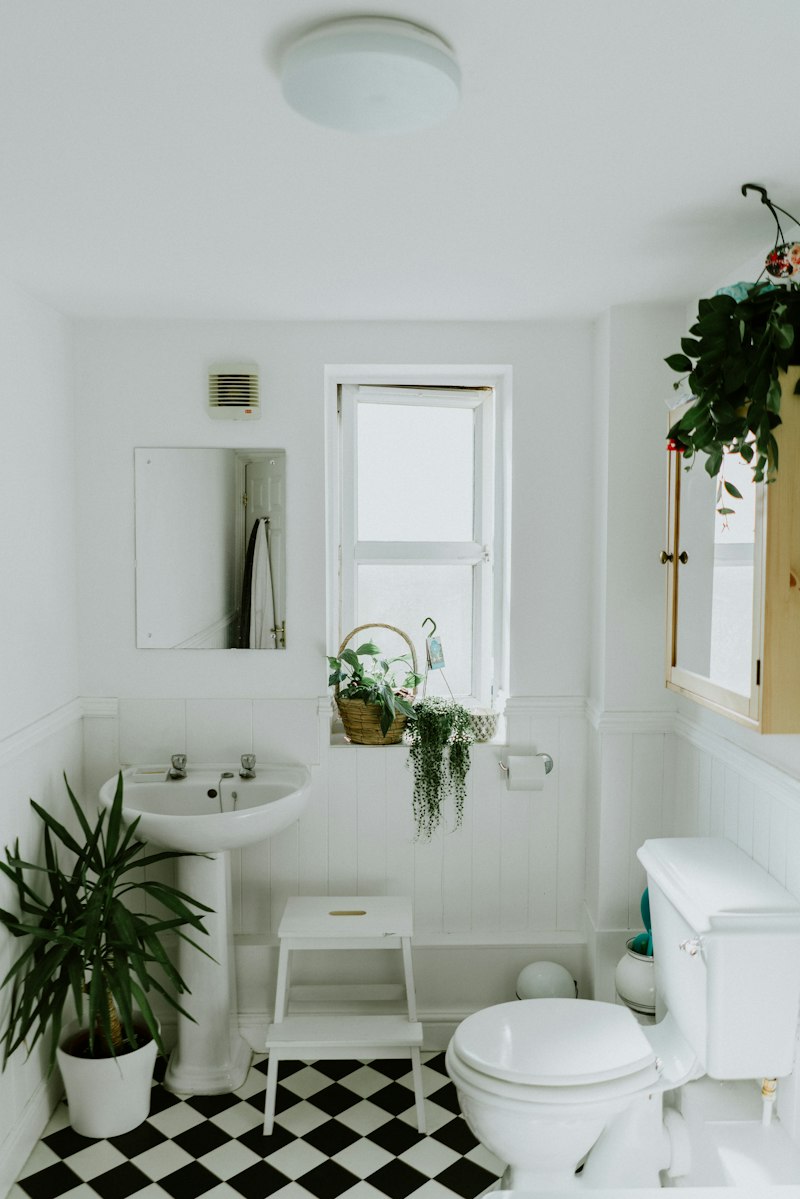
2026 Earth Tone Design Guide
Embrace the tranquility of nature with our guide to integrating sophisticated earth-tone palettes into your 2026 home renovation project.
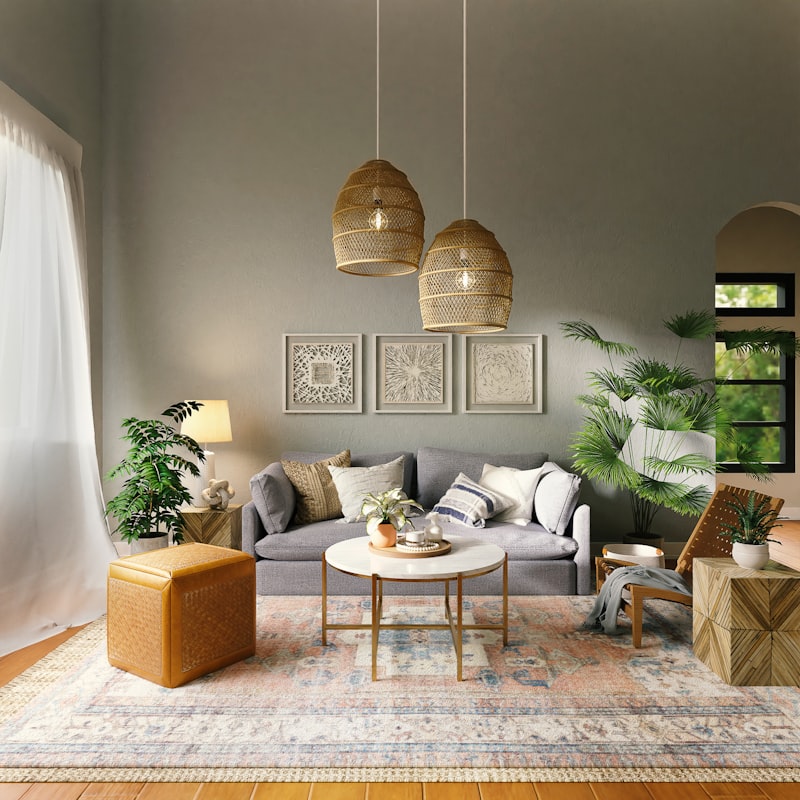
The Essence of Earth Tones In 2026, home design is shifting away from clinical minimalism toward spaces that foster deep connection and emotional grounding. Earth tones—ranging from warm terracotta and toasted almond to deep forest greens and slate grays—are leading this transition. These colors draw inspiration from the raw, unrefined beauty of natural landscapes, creating a sensory experience that feels both luxurious and inherently welcoming. Integrating these shades is about more than just paint; it is about creating a cohesive atmosphere that mimics the organic rhythm of the outdoors. By selecting a base palette of muted neutrals, you allow your home to act as a serene sanctuary away from the rapid pace of digital life. Focus on choosing warm, undertone-heavy shades like clay or warm stone, which provide a versatile backdrop for more adventurous accent pieces. When evaluating colors, always observe your swatches during different times of the day to see how natural light shifts the color temperature against your interior walls. Material Selection and Texture The impact of an earth-tone palette is heavily dependent on the tactile quality of the materials you choose. In 2026, the trend moves toward raw, unfinished aesthetics that celebrate imperfection. Consider incorporating reclaimed wood, honed natural stone, matte-finished terracotta tiles, and heavy linen textiles. Texture acts as the visual interest in a room that lacks high-contrast bright colors. For example, a living room dressed in monochromatic shades of sand and beige can feel incredibly dynamic if you layer a chunky wool rug over wide-plank oak flooring and accent it with a lime-wash finished wall. Avoid synthetic, high-gloss finishes which can clash with the organic vibe. Instead, prioritize brushed metals, aged brass, or oil-rubbed bronze hardware to maintain the grounded feel of your home renovation. Mixing these tactile elements creates a layered look that feels collected over time rather than staged. Strategic Implementation Advice To successfully incorporate these trends into your next project, start by defining a primary foundation color that anchors the entire home, such as a soft mushroom or creamy ecru. Use this as your primary wall color throughout main living areas to create a seamless, expansive flow. Once the foundation is set, introduce depth through your larger furniture items or built-in cabinetry using deeper, more saturated hues like olive or burnt umber. Finally, use your small accessories—throw pillows, ceramic vases, and artwork—to introduce slightly bolder pops of color that harmonize with your core palette. If you are renovating a kitchen or bathroom, consider replacing stark white tiles with hand-crafted zellige tiles in subtle earth tones, which offer light-reflecting properties while keeping the space feeling warm. Remember that the goal of the 2026 earth-tone palette is comfort and longevity, so prioritize high-quality, durable materials that will age gracefully alongside your chosen color scheme.
More Trends
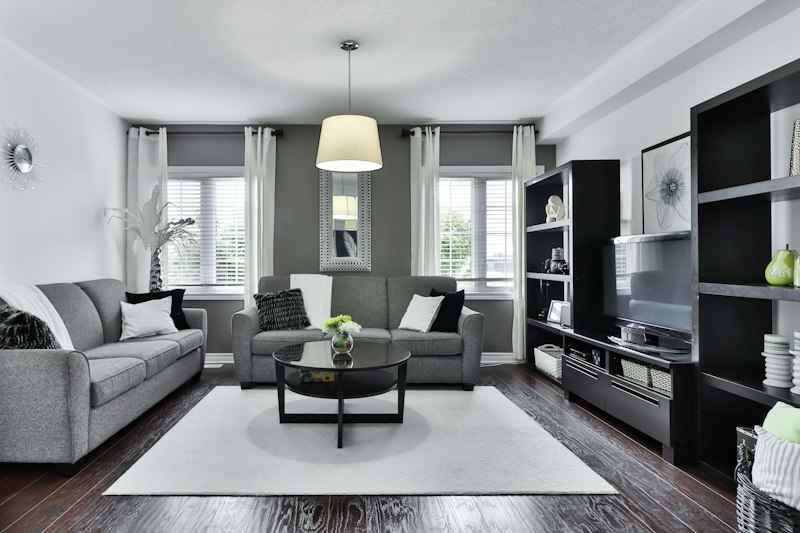
2026 Wet Room Design Guide
Discover how to transform your bathroom into a seamless, luxury sanctuary with the leading wet room trends for 2026.
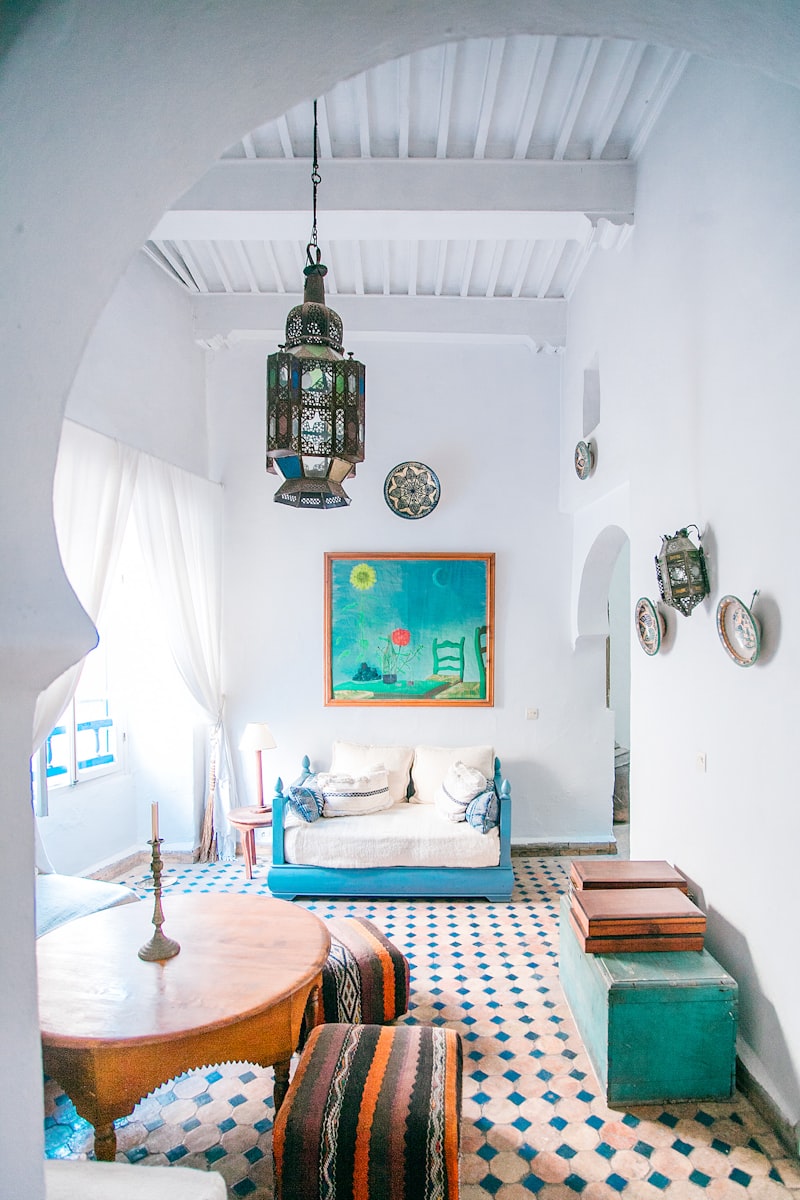
The Era Of Curved Design
Discover how organic curves and soft silhouettes are defining luxury home renovations in 2026, bringing architectural fluidity into modern living spaces.
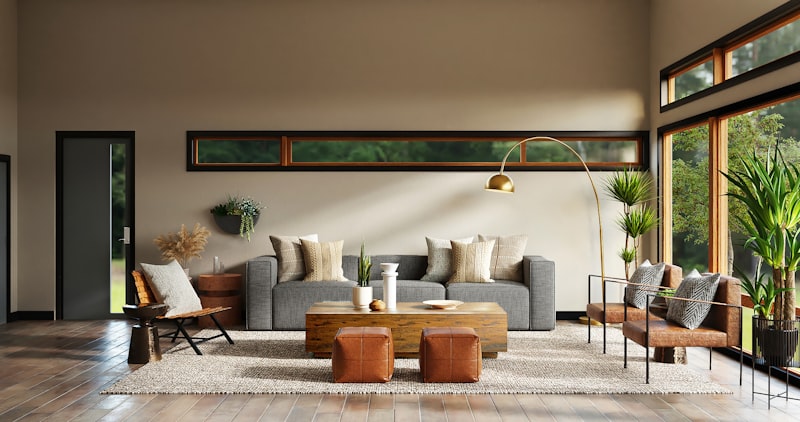
Japandi Living: 2026 Design Trends
Discover how the fusion of Japanese minimalism and Scandinavian comfort defines the future of home renovation in 2026.
Modular Furniture Trends 2026
Discover how modular furniture systems will define home flexibility and functional design in 2026.