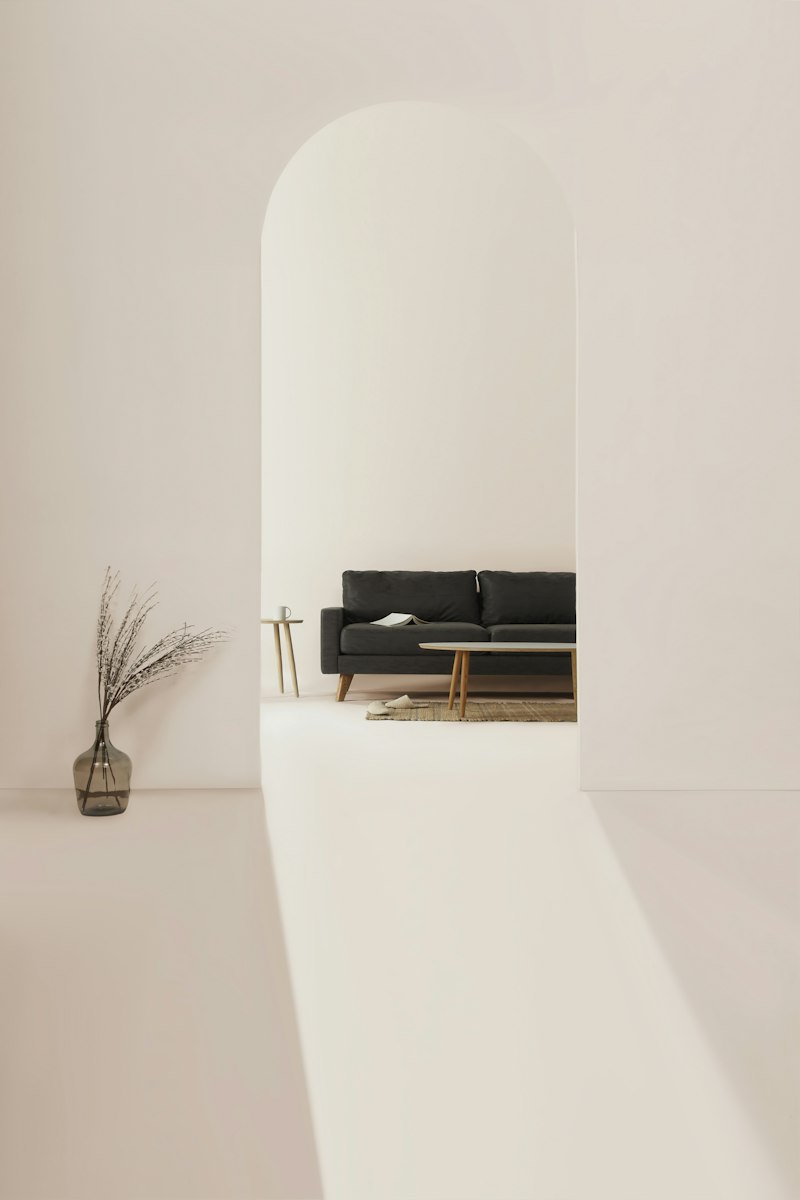
Biophilic Living: 2026 Renovation Guide
Transform your home into a restorative sanctuary by integrating natural elements and organic textures into your 2026 renovation plans.
Embracing Nature Indoors Biophilic design for 2026 goes beyond simply adding houseplants to a room. It is a strategic approach to architecture and interior design that seeks to reconnect inhabitants with the natural world. As we look toward the future, the trend focuses on creating immersive sensory experiences that lower cortisol levels and improve cognitive function. Homeowners are now prioritizing layouts that maximize natural light, ventilation, and direct visual connections to the outdoors to cultivate a sense of wellness within their private spaces. To begin your journey, evaluate your home’s floor plan. Consider removing heavy window treatments or replacing solid doors with glass alternatives to ensure that light penetrates deep into the heart of your home. Incorporating biophilic principles is not merely aesthetic; it is an investment in your mental health and physical environment. Key Design Elements The foundation of this style relies on the use of organic, raw materials. In 2026, we are seeing a shift away from synthetic finishes toward reclaimed wood, rough-hewn stone, and artisanal clay tiles. These materials carry a tactile quality that invites touch, grounding the space in authenticity. When choosing your color palette, look to the earth rather than the screen. Soft terracotta, deep moss greens, and muted slate blues provide a calming backdrop that mirrors the hues found in a natural landscape. Texture is the secret weapon of the biophilic home. Layering linen curtains, wool rugs, and pebble-inlay flooring creates a multisensory environment. Ensure these materials are sustainably sourced whenever possible, as environmental responsibility is a core tenet of the biophilic movement. Avoid sharp, sterile edges in favor of organic shapes; opt for curved furniture silhouettes and non-linear shelving units that mimic the fluidity of a river or a mountain path. Practical Implementation Translating these concepts into a renovation requires focus on the 'human-nature' connection. If you have an outdoor area, install oversized sliding glass doors that completely disappear into pockets, effectively erasing the barrier between your living room and the garden. For homeowners in urban environments, consider installing a living wall or a vertical herb garden in the kitchen. These features act as natural air purifiers while providing a constant, vivid focal point of green life. Lighting is equally crucial. Implement circadian-rhythm-synced lighting systems that mimic the natural trajectory of the sun, shifting from warm amber tones in the evening to crisp, energizing daylight in the morning. This subtle integration of technology ensures that your home supports your biological needs throughout the day. By choosing water features like a small indoor fountain or simply focusing on the flow of air, you transform your home into a regenerative ecosystem. Focus on quality over quantity, investing in durable, natural products that age gracefully alongside you, ensuring your renovation remains relevant and refreshing for years to come.
More Trends
2026 Earth-Tone Renovation Guide
Discover how to transform your home with the grounding, organic elegance of 2026’s top earth-tone interior design trends.
Terrazzo Revival 2026 Design Guide
Discover how the resurgence of terrazzo is transforming modern interiors into durable, high-fashion spaces for the 2026 home renovation cycle.
Gold Fixtures: 2026 Renovation Guide
Discover how to integrate timeless brass and gold finishes into your home for a sophisticated, modern aesthetic that elevates every room.
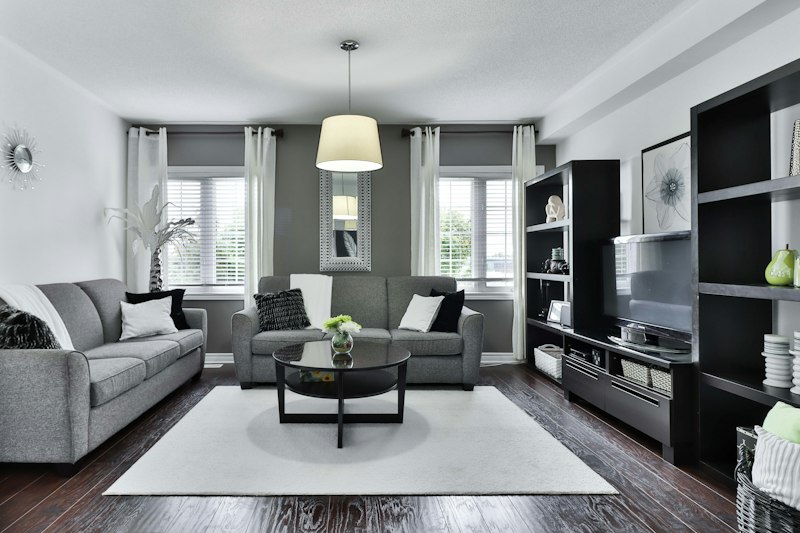
Zellige Tiles: 2026 Design Guide
Discover why the raw, organic beauty of zellige tile is defining home interiors in 2026 and how to install them with precision.