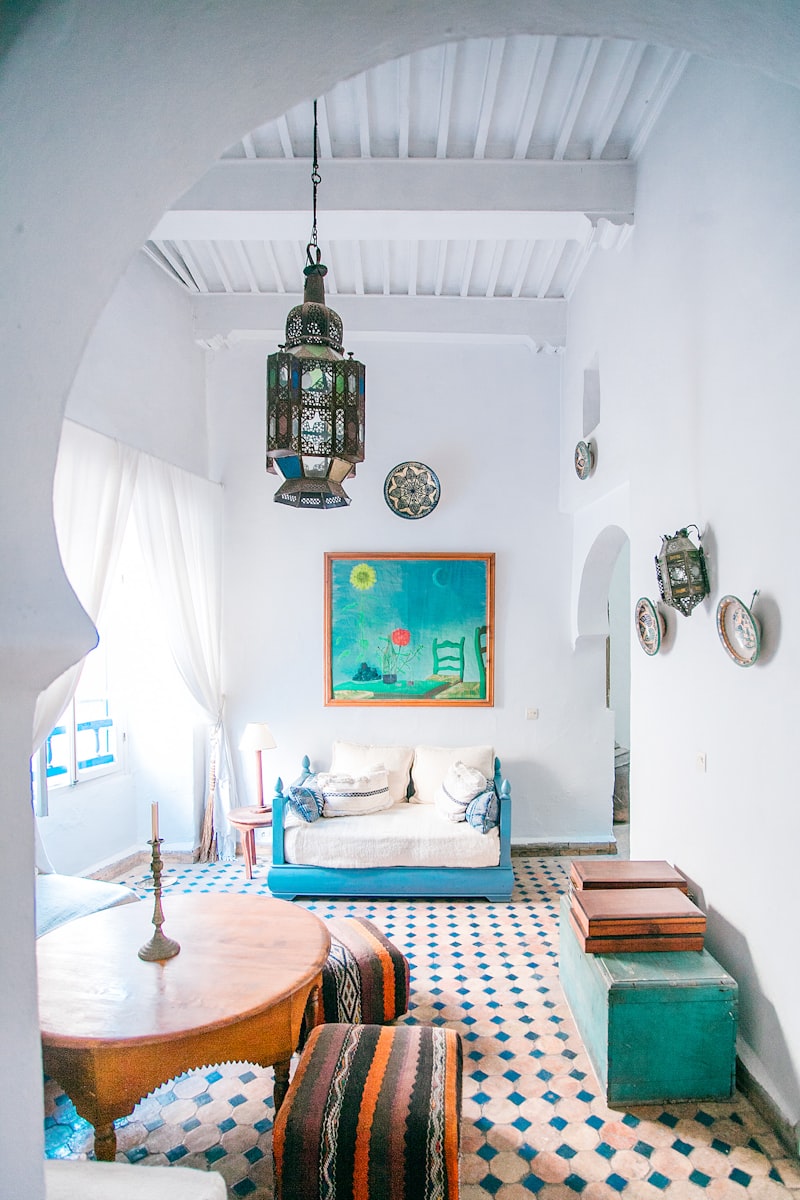
Mastering Mixed Material Kitchens
Discover how to blend diverse textures and finishes to create a timeless, high-contrast kitchen design for 2026.
Design Philosophy and Balance Mixed material kitchens for 2026 are shifting away from uniform, monochromatic looks toward layered, curated spaces that reflect personal depth. The core strategy is to anchor the room with a primary material while introducing two or three secondary textures to create visual interest. Balance is achieved by applying the rule of thirds, where one dominant material covers sixty percent of the surfaces, a secondary choice occupies thirty percent, and an accent material highlights the remaining ten percent. Start by selecting your anchor, such as oak cabinetry or soapstone countertops, then integrate contrasting elements like matte black metal, brass hardware, or fluted glass cabinetry to break up visual monotony. Strategic Material Pairing Pairing organic elements with industrial finishes provides the most sophisticated aesthetic for the modern home. For instance, pairing warm, wire-brushed white oak lower cabinets with sleek, honed granite countertops grounds the space, while adding brushed nickel or aged brass hardware bridges the gap between traditional and contemporary styles. To ensure cohesion, keep the color palette within a tight tonal range, allowing the variation in texture—such as wood grain against polished stone—to provide the necessary drama. Avoid mixing too many patterns alongside diverse materials; instead, focus on how light interacts with different surface finishes to create depth. Practical Implementation Tips When renovating, prioritize durability alongside aesthetics by selecting high-traffic materials for countertops and backsplashes while utilizing more delicate materials for decorative accents. If you are mixing metals, treat one finish as the primary for large fixtures like faucets and light pendants, while using the secondary metal for smaller details like drawer pulls or cabinet hinges. This hierarchical approach prevents the space from feeling cluttered or chaotic. Always request physical samples of all your materials and view them together in your specific lighting conditions before committing to a full order. Managing the Budget You do not need expensive, rare materials in every corner to achieve a premium mixed-material look. Invest your budget into the 'touch points' of the kitchen, such as hardware, custom cabinetry pulls, and the main island countertop. For secondary areas, such as pantry storage or open shelving, look for high-quality veneers or composite materials that mimic more expensive stone or wood. By concentrating your investment in high-impact areas, you maintain the high-end design aesthetic while ensuring the kitchen remains functional and financially feasible. This layered approach not only adds character but significantly increases the long-term design value of your home.
More Trends
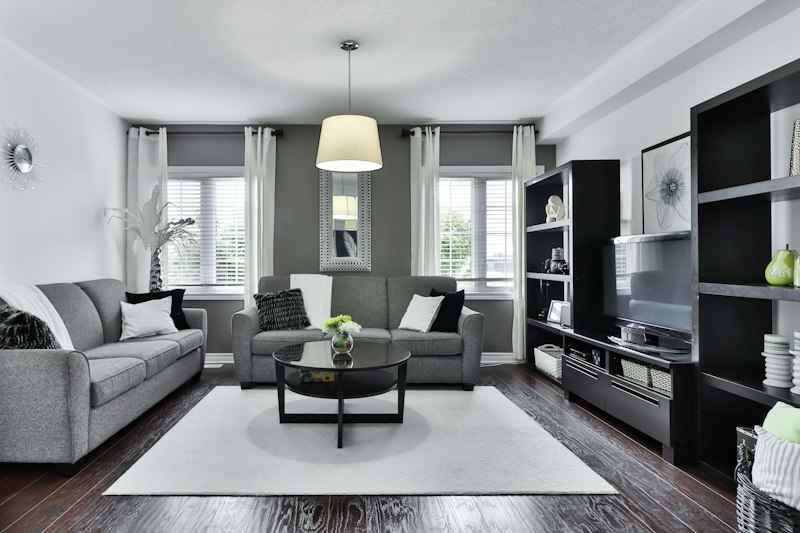
2026 Wet Room Design Guide
Discover how to transform your bathroom into a seamless, luxury sanctuary with the leading wet room trends for 2026.
The Era Of Curved Design
Discover how organic curves and soft silhouettes are defining luxury home renovations in 2026, bringing architectural fluidity into modern living spaces.
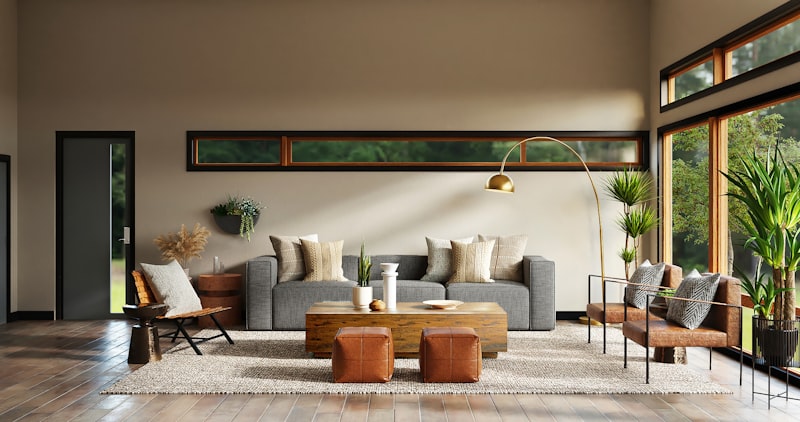
Japandi Living: 2026 Design Trends
Discover how the fusion of Japanese minimalism and Scandinavian comfort defines the future of home renovation in 2026.
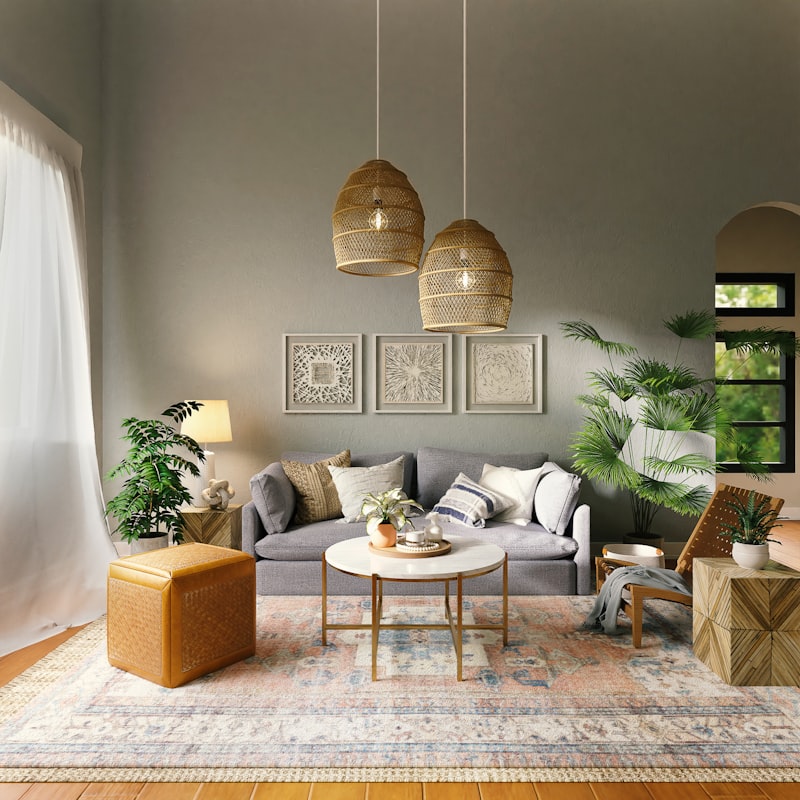
Modular Furniture Trends 2026
Discover how modular furniture systems will define home flexibility and functional design in 2026.