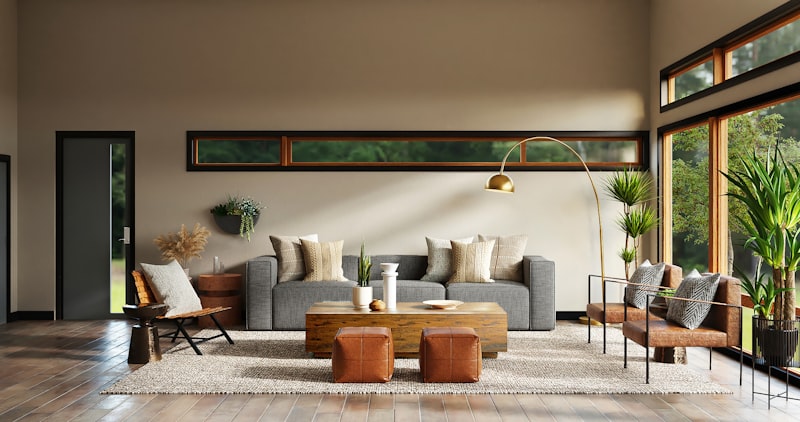
Modular Living: 2026 Trends
Discover how modular furniture is redefining modern home flexibility and spatial efficiency for the upcoming year.
The Rise of Adaptive Interiors As we look toward 2026, the obsession with permanent, static floor plans is fading. Homeowners are increasingly prioritizing modular furniture—pieces that can be reconfigured, expanded, or moved to suit the evolving needs of a multi-functional household. Whether you are transforming a home office into a guest bedroom or expanding your living room seating for a dinner party, modularity is the cornerstone of the modern renovation. The primary goal is to maximize the utility of every square foot in your home without compromising on aesthetic appeal. Investing in high-quality modular units allows you to adapt your environment instantly, ensuring your home remains functional as your lifestyle shifts over the coming years. Smart Selection Strategies When shopping for modular components, focus on universal connection systems that allow for seamless integration between different pieces. Look for manufacturers that utilize magnetic coupling or tool-free locking mechanisms, as these simplify the process of rearranging your furniture. Durability is non-negotiable; prioritize high-density foam cushions with removable, machine-washable performance fabrics that can withstand constant reconfiguration. By selecting neutral bases, you can refresh your interior design annually by simply swapping out modular covers or accent panels. Always measure your floor plan precisely before investing in a modular system, as even the most flexible furniture requires a baseline configuration that respects traffic flow and architectural features. Maximizing Spatial Potential Beyond simple seating, think vertically and horizontally by incorporating modular storage cubes and shelving units. Wall-mounted track systems that accept various hooks, shelves, and cabinets offer the most flexibility for small apartments and creative home offices. By installing a wall-to-wall grid system, you can reallocate storage capacity whenever your needs change, such as transitioning from a dedicated hobby space to a structured workspace. This approach prevents clutter from accumulating, as every item finds a home within your adaptable storage footprint. A Sustainable Design Choice Modular furniture also aligns perfectly with sustainable living goals, as it encourages repairability and longevity over rapid consumption. Rather than replacing an entire sectional when one section experiences wear, modularity allows you to replace only the affected component. This circular approach to interior design significantly reduces waste and keeps high-quality materials out of landfills. When planning your 2026 renovation, view your furniture as a long-term infrastructure investment. By choosing modular pieces today, you are future-proofing your home against the changing demands of tomorrow while curating a space that is as dynamic and unique as your lifestyle.
More Trends
2026 Wet Room Design Guide
Discover how to transform your bathroom into a seamless, luxury sanctuary with the leading wet room trends for 2026.
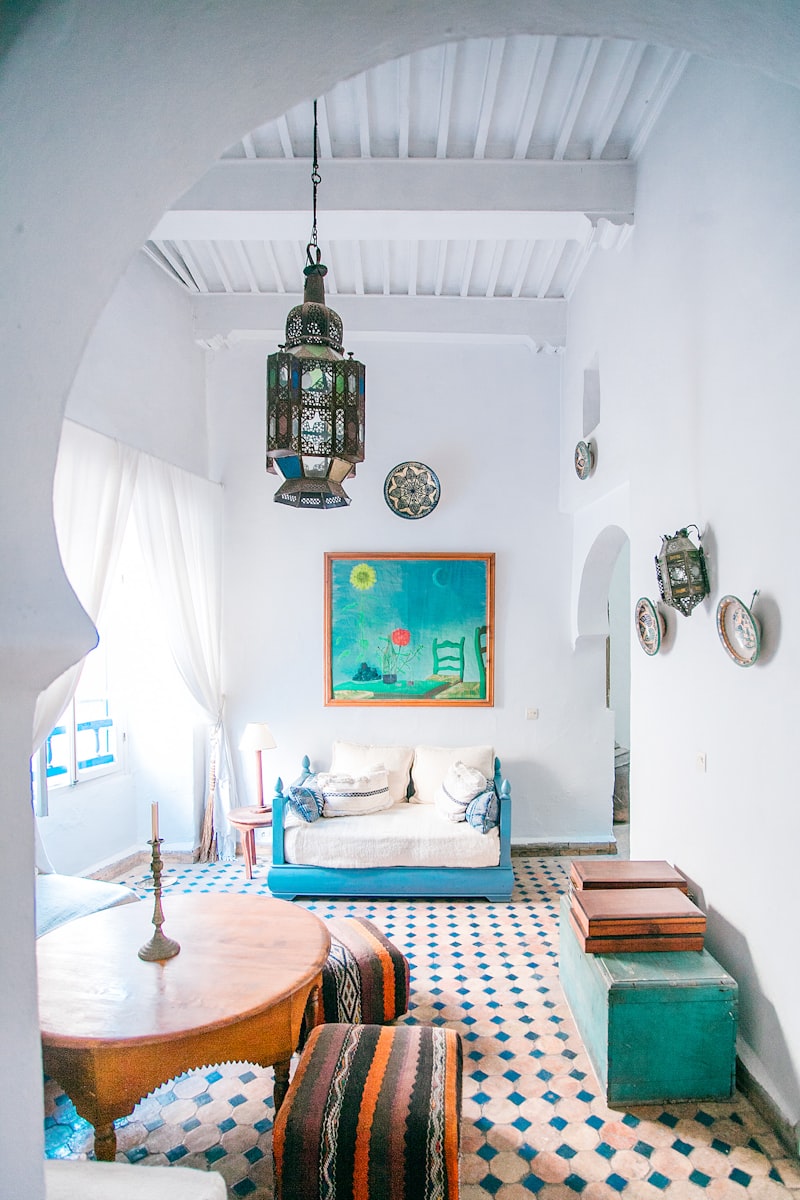
The Era Of Curved Design
Discover how organic curves and soft silhouettes are defining luxury home renovations in 2026, bringing architectural fluidity into modern living spaces.
Japandi Living: 2026 Design Trends
Discover how the fusion of Japanese minimalism and Scandinavian comfort defines the future of home renovation in 2026.
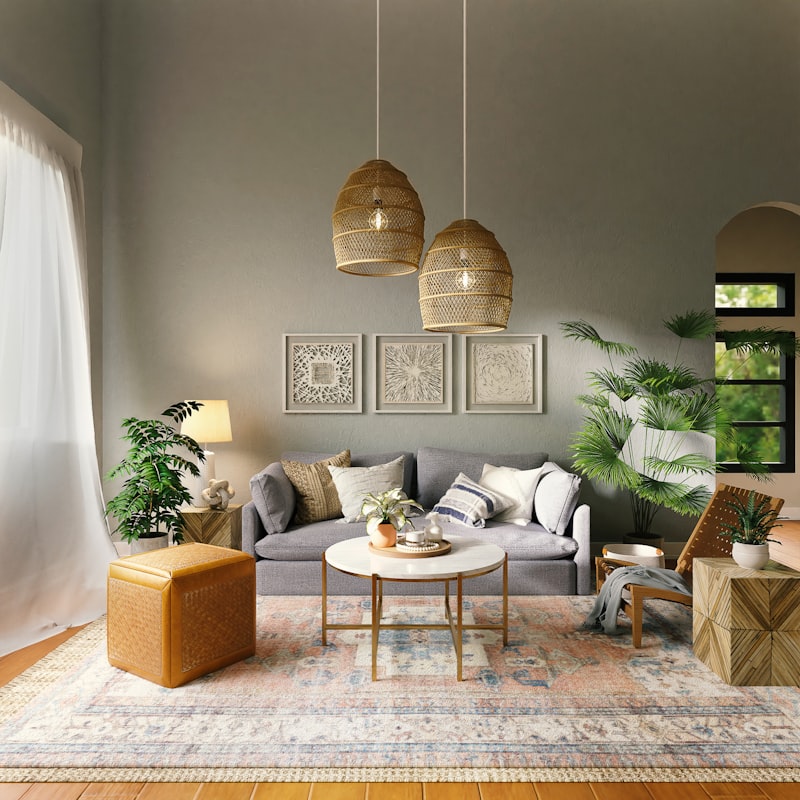
Modular Furniture Trends 2026
Discover how modular furniture systems will define home flexibility and functional design in 2026.