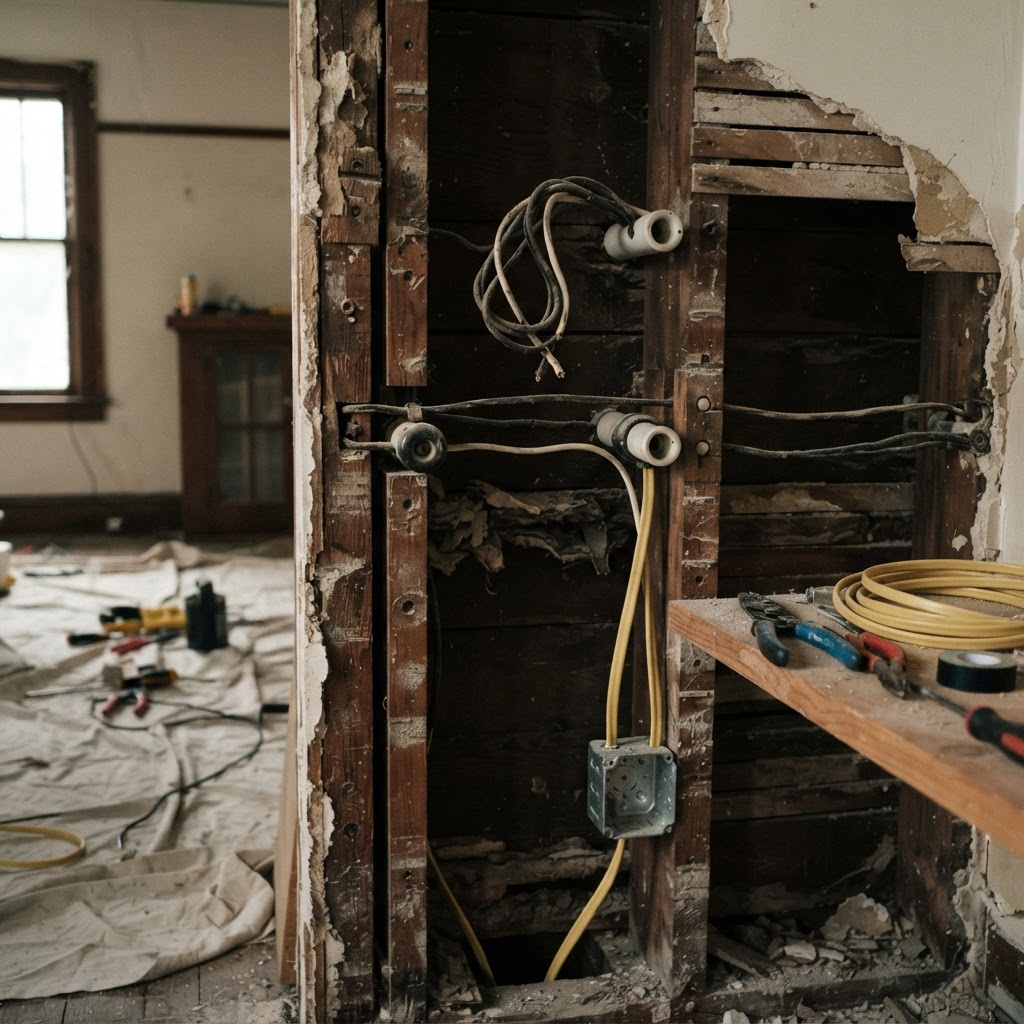
How to Replace Knob-and-Tube Wiring Safely and Smartly
Knob-and-tube wiring is one of the most common and dangerous electrical hazards in older homes. Learn what it involves, why it must go, and how to plan a safe, code-compliant replacement.
Why Knob-and-Tube Wiring Is Still a Problem
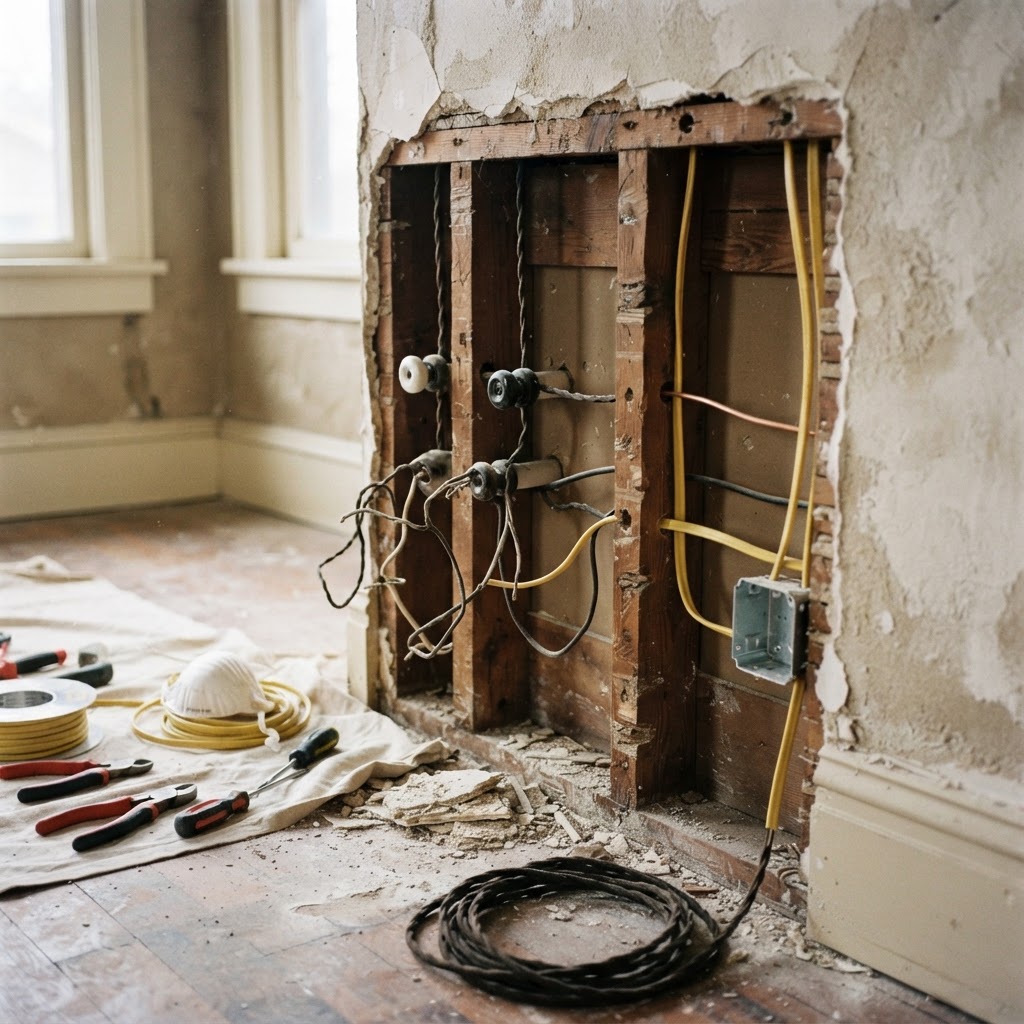
Millions of American homes built before 1950 still contain knob-and-tube (KT) wiring, and many homeowners don't even know it's there until an inspector flags it. Named for the ceramic knobs that anchor wires to framing and the ceramic tubes that protect wires passing through joists and studs, this system was the electrical standard of its era. The problem is that era is long gone — and so is the safety margin KT wiring once offered.
Knob-and-tube wiring has no ground wire, which means it cannot support three-prong outlets or protect modern appliances from electrical surges. The rubber and cloth insulation that sheathes KT conductors degrades over decades, becoming brittle, cracked, and prone to arcing. In many homes, well-meaning previous owners made the situation worse by splicing in modern wiring using improper connections, creating hidden fire hazards inside walls.
The Real Risks of Leaving It in Place
The most serious risk from aging knob-and-tube wiring is fire. When insulation fails and bare copper conductors come into contact with wood framing, insulation batts, or even dust accumulation, the result can be a smoldering fire inside a wall cavity — the kind that spreads for hours before anyone notices. The National Fire Protection Association consistently identifies old wiring as a leading cause of residential electrical fires.
Insurance companies have taken note. Many homeowners discover that their insurer will cancel or refuse to renew a policy once KT wiring is identified on a home inspection report. If you're purchasing an older home, lenders may also require the system to be replaced before closing. Beyond insurance and financing concerns, KT wiring simply cannot handle modern electrical loads. A system designed for a few lights and a radio was never meant to power HVAC units, electric ranges, dishwashers, and dozens of always-on devices.
Additionally, any knob-and-tube wiring that has been buried under blown-in insulation presents an immediate fire hazard. KT wiring relies on open air to dissipate heat. Surround it with insulation and you've created a thermal trap that can ignite surrounding materials.
What a Full Rewire Actually Involves
Replacing knob-and-tube wiring is not a weekend DIY project for most homeowners — it is a full electrical rewire, which means pulling new NM-B (Romex) or conduit-run wire to every outlet, switch, light fixture, and appliance circuit in the home. In a typical older home, that means cutting into plaster walls and ceilings, fishing wire through finished cavities, and patching everything afterward. The scope is significant, but so is the peace of mind.
The work begins with a licensed electrician pulling an electrical permit, which triggers required inspections at rough-in and final stages. All new wiring must meet current National Electrical Code (NEC) standards, including arc-fault circuit interrupter (AFCI) protection on bedroom and living area circuits, and ground-fault circuit interrupter (GFCI) protection in kitchens, bathrooms, garages, and outdoor locations. If the existing panel is undersized — common in homes that still have 60-amp or 100-amp service — this is the ideal time to upgrade to a 200-amp panel as well.
Practical Advice for Homeowners
Start by getting two or three bids from licensed electricians who have experience with historic or older homes. Ask specifically about their approach to minimizing plaster damage and whether they work with a plaster repair specialist. Some electricians use flexible drill bits and wire-fishing techniques that dramatically reduce the number of wall openings required.
Before work begins, photograph every room and document outlet and switch locations. Confirm with your contractor exactly what is included — some bids cover wiring only, while others include panel replacement, permit fees, and patching. Make sure the final scope includes removal and disposal of all old KT wiring, not just abandonment in place.
Finally, budget realistically. A full rewire in a 1,500 to 2,000 square foot older home typically runs between $8,000 and $20,000 depending on complexity, region, and finish work. It's a significant investment, but one that improves safety, lowers insurance costs, and adds measurable value to the property for decades to come.
More Modernization Guides
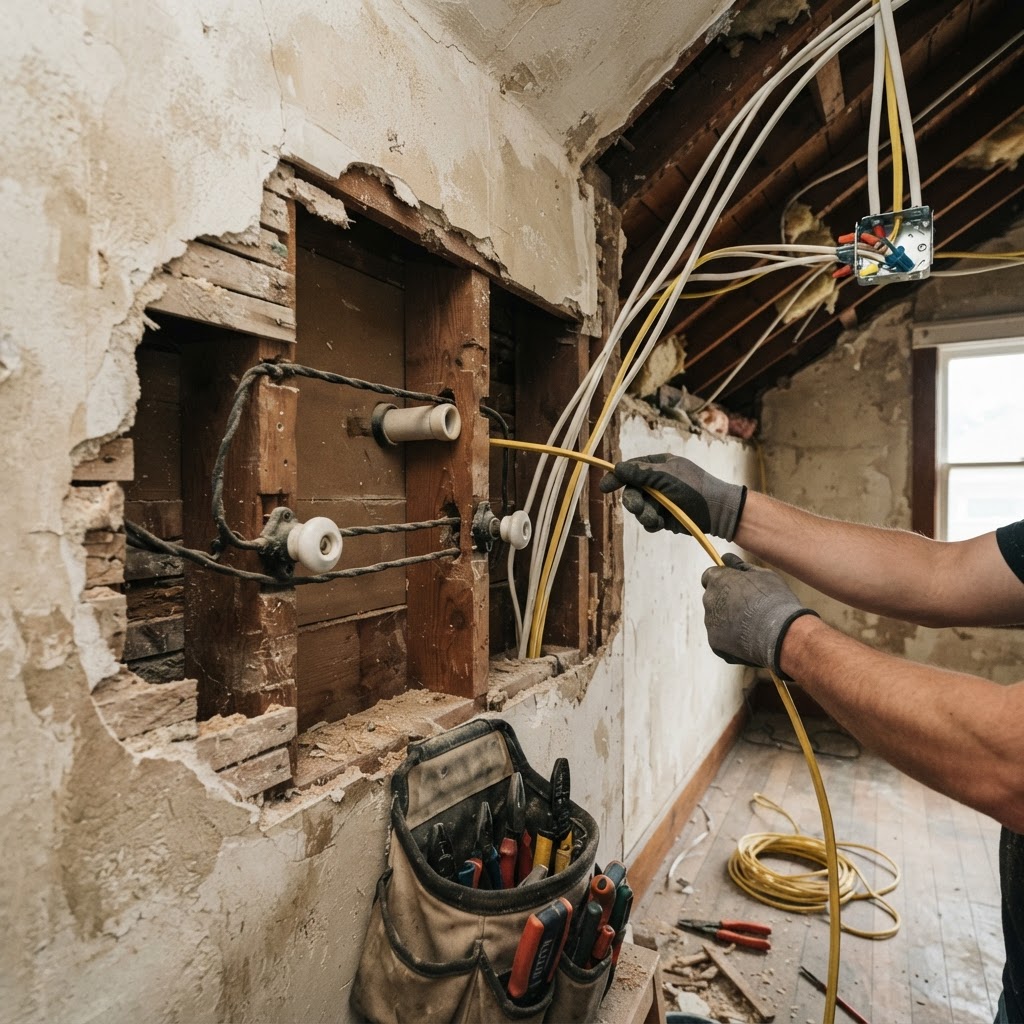
How to Replace Knob-and-Tube Wiring in Older Homes
Knob-and-tube wiring is one of the most common—and dangerous—electrical hazards found in homes built before 1950. Learn what replacing it involves, why it matters, and how to do it safely and to code.
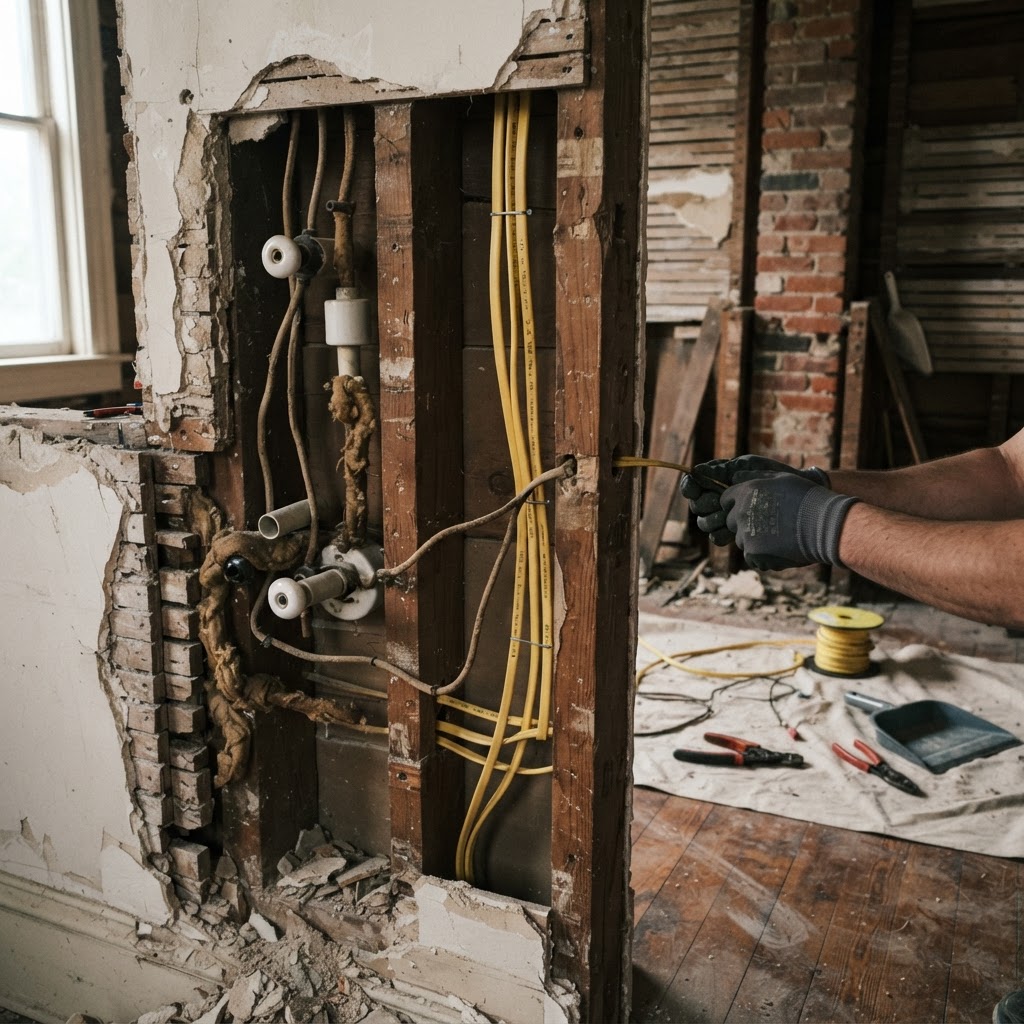
How to Replace Knob-and-Tube Wiring in Older Homes
Knob-and-tube wiring is one of the most common and dangerous electrical hazards found in homes built before 1950. Learn why replacing it is essential and how to approach the project safely and effectively.
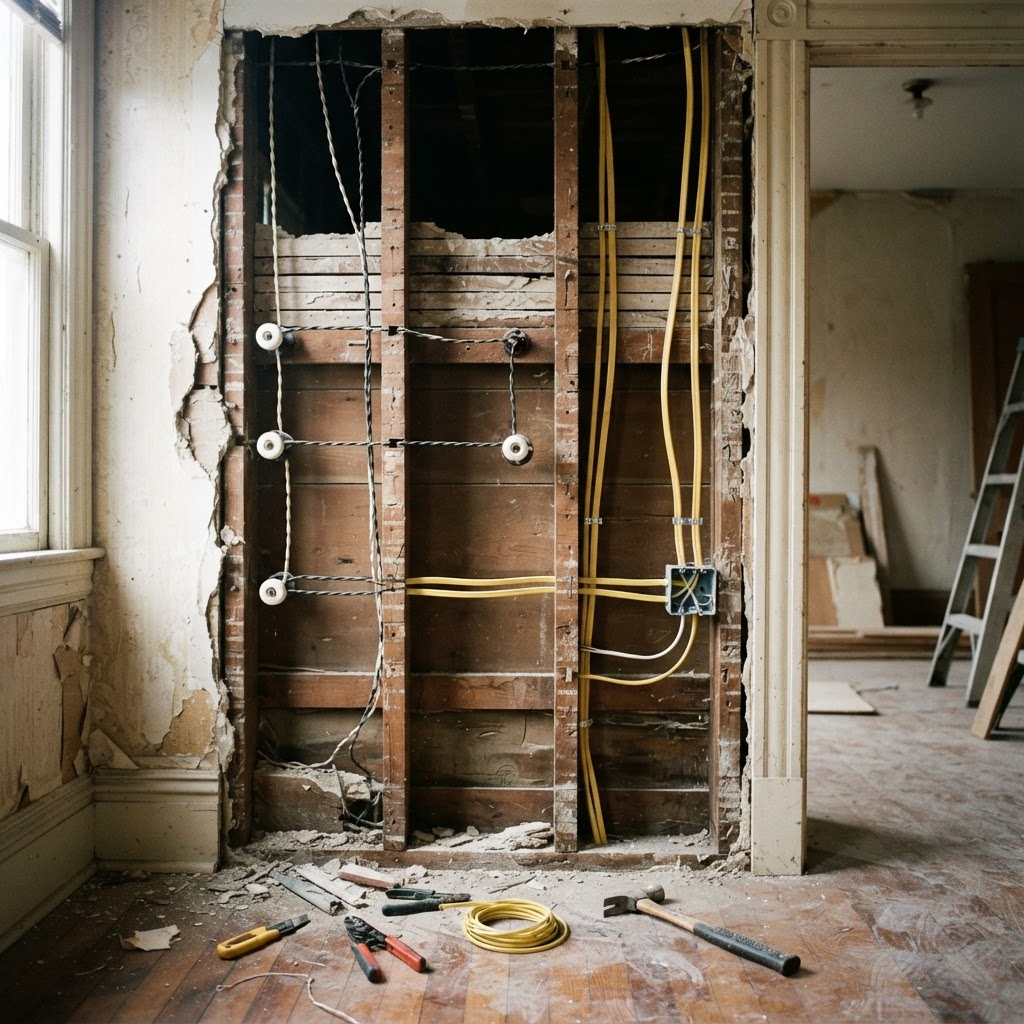
How to Replace Knob-and-Tube Wiring Safely and Effectively
Knob-and-tube wiring is one of the most common electrical hazards found in homes built before 1950. Learn why replacing it is essential and how to approach the project the right way.
How to Replace Knob-and-Tube Wiring Safely and Effectively
Knob-and-tube wiring is a hidden hazard in millions of older homes. Learn why replacing it is critical, what the process involves, and how to work with contractors to do it right.