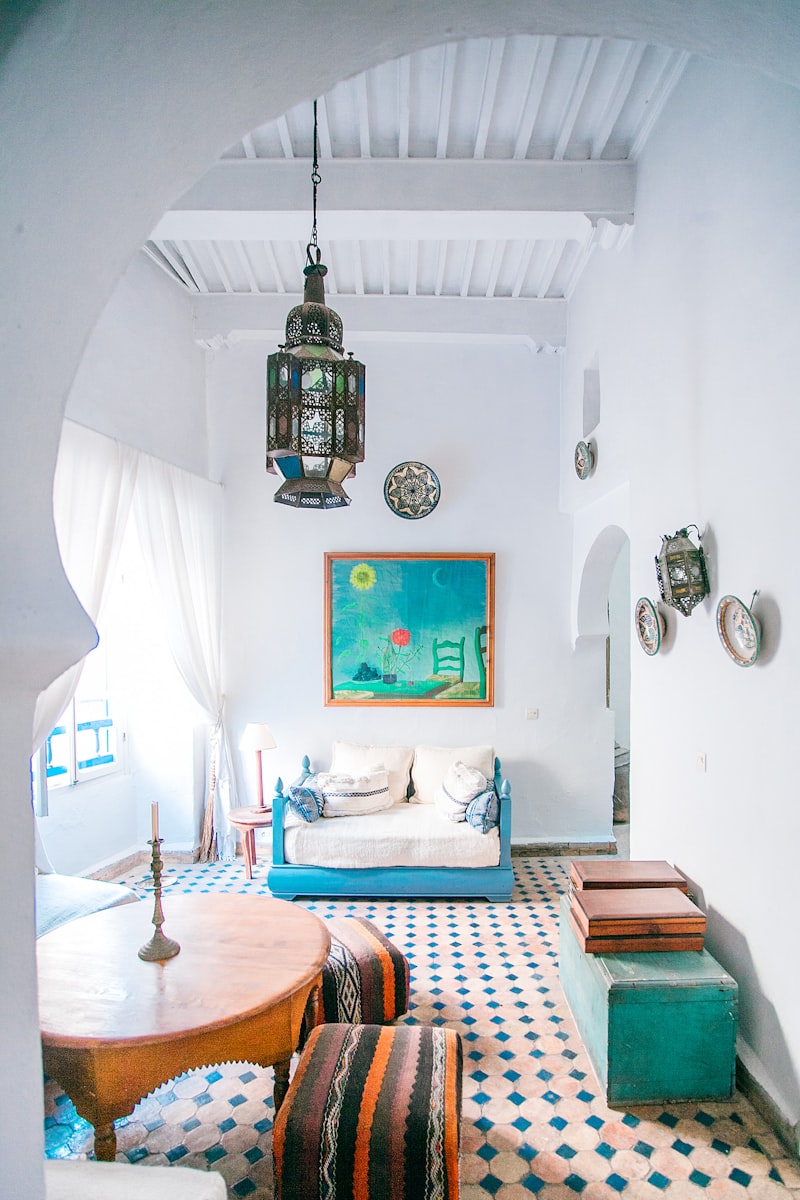
Biophilic Living: 2026 Renovation Guide
Discover how to integrate nature-inspired architecture into your home to boost wellness and aesthetic appeal in 2026.
Integrating Natural Light and Ventilation As we move into 2026, the priority for residential renovation is the seamless connection between indoor and outdoor environments. Start by replacing standard windows with floor-to-ceiling glass systems or automated skylights that mimic circadian rhythms. This strategy ensures that your home shifts naturally with the daylight, which is proven to regulate sleep patterns and enhance cognitive function. Focus on cross-ventilation layouts that allow fresh air to flow through the center of your living space, reducing the need for artificial cooling while maintaining a crisp, oxygen-rich environment. Key Material Selections Sustainability is no longer an option but a design requirement. Incorporate raw, tactile materials like reclaimed white oak, honed limestone, and sustainable cork flooring. Avoid synthetic laminates that trap VOCs and instead opt for lime-wash paints or clay plasters. These breathable finishes regulate humidity levels naturally, preventing mold growth and ensuring your indoor air quality remains pristine. When selecting textiles, prioritize organic linen, heavy wool, and raw silk to maintain a sensory experience that grounds the home in the earth. Vertical Gardens and Living Walls The cornerstone of 2026 biophilic design is the interior living wall. Move beyond simple potted plants by installing self-watering vertical hydroponic systems directly into your kitchen or home office walls. These systems act as powerful air filters and provide a lush, psychological escape during high-stress work hours. Choose a variety of ferns and air-purifying pothos to create a layered, jungle-like aesthetic. For smaller spaces, utilize hanging planters in cascading clusters to maximize vertical volume without sacrificing precious floor real estate. Earth-Centric Color Palettes Move away from sterile grays and bright whites. The 2026 palette favors deep forest greens, terracotta undertones, and muted sandstone hues. By applying these colors in soft textures—such as moss-green velvet or ochre-toned rugs—you create an immersive atmosphere that softens the hard lines of modern architecture. Use darker, earthy tones in intimate spaces like bedrooms to promote relaxation, while keeping common areas bathed in the light, airy shades of sun-bleached driftwood and soft clay. Designing for Sensory Harmony To truly embrace biophilic design, consider the auditory and olfactory elements of your space. Integrate smart-home soundscapes that play ambient forest or water sounds, and use wood-burning fireplaces or essential oil diffusers to ground your home in natural aromas. By engaging all five senses, you transform a standard renovation into a therapeutic retreat. Keep clutter to a minimum to ensure that the natural materials remain the focal point, allowing the serenity of the outdoors to dictate the pace of your interior life.
More Trends
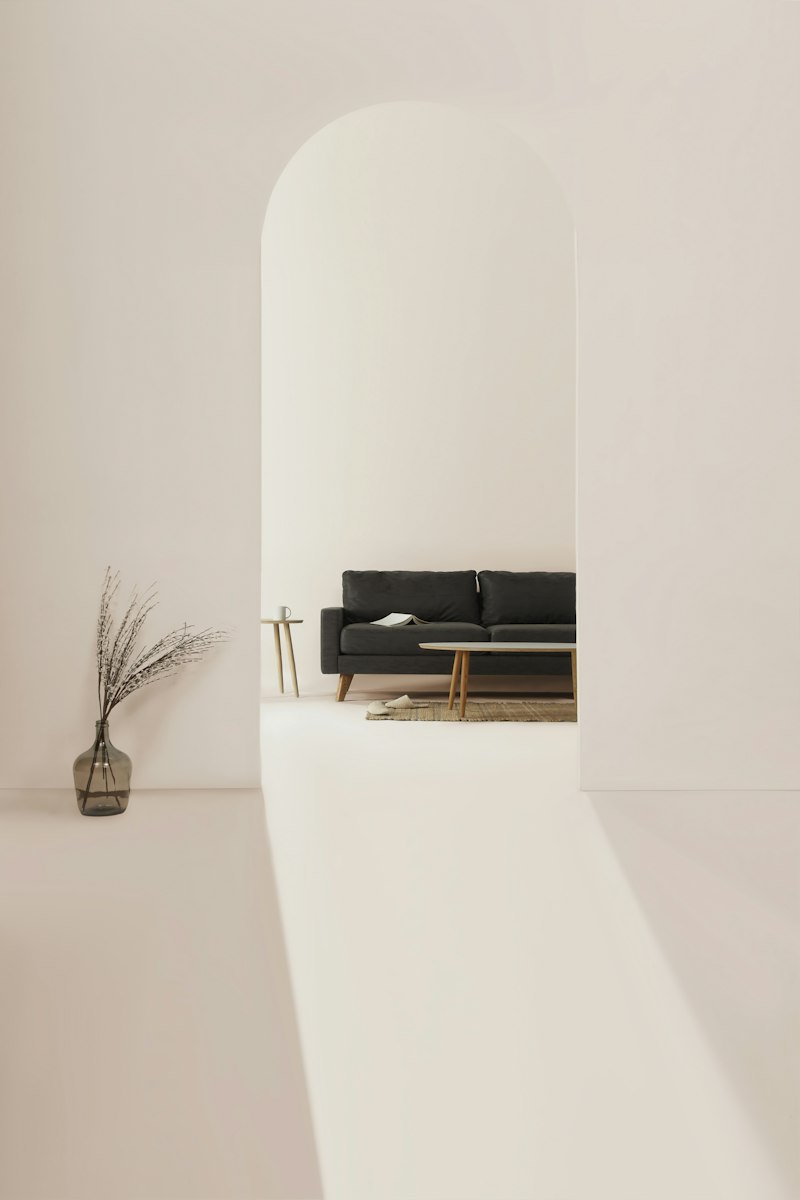
Black Accents: 2026 Renovation Guide
Discover how black windows and doors are redefining modern architecture and learn how to incorporate this bold aesthetic into your home renovation.
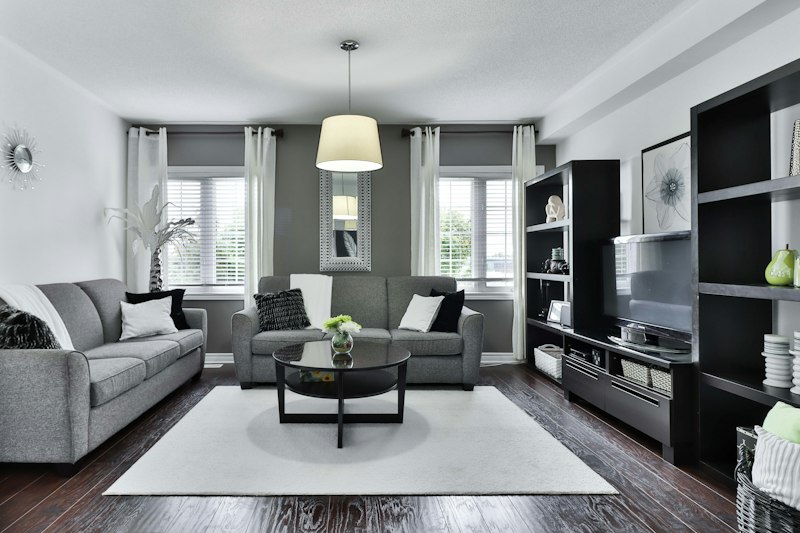
Biophilic Living: 2026 Renovation Guide
Discover how to integrate nature-inspired architecture into your home to boost wellness and aesthetic appeal in 2026.
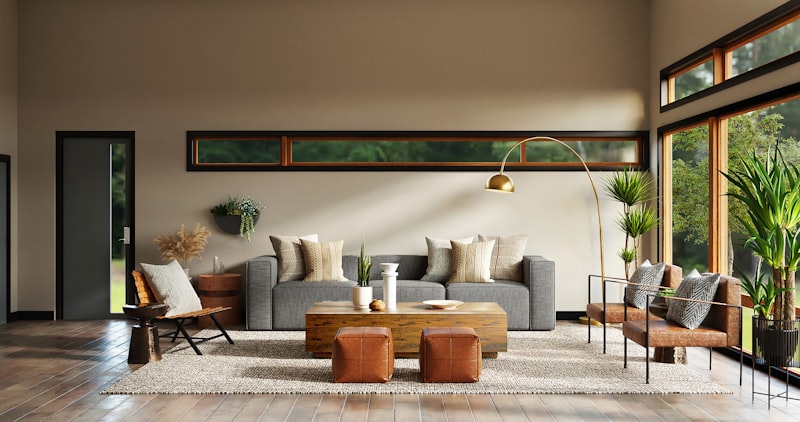
The Bold Black Window Trend
Black frames are redefining modern home aesthetics in 2026, offering a sophisticated blend of industrial edge and timeless elegance for any property.
Timeless Gold: 2026 Design Guide
Elevate your home's aesthetic with the enduring appeal of brass and gold finishes, a defining trend for modern interior spaces in 2026.