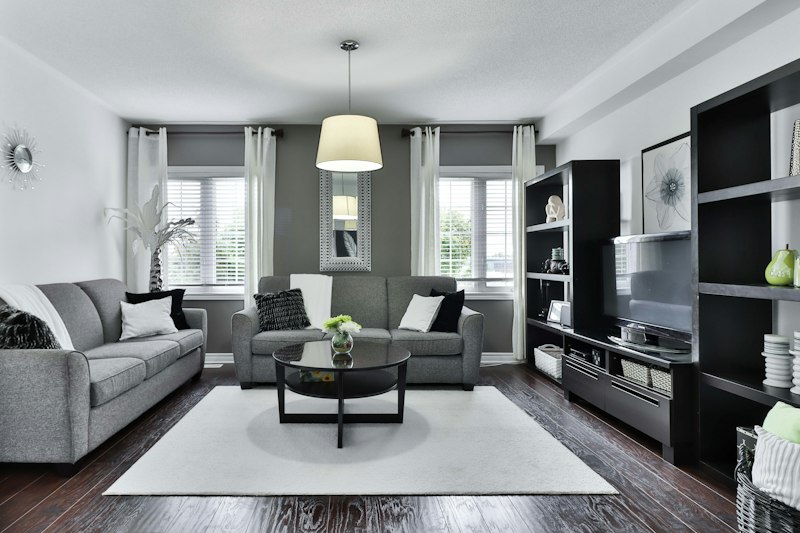
Biophilic Living: 2026 Renovation Guide
Discover how to integrate nature-inspired architecture into your home to boost wellness and aesthetic appeal in 2026.
Embracing Natural Connectivity By 2026, biophilic design has moved beyond simple houseplants to become the foundational philosophy of modern home renovation. It focuses on the innate human instinct to connect with nature, utilizing organic patterns, natural light, and sensory textures to transform residential spaces into restorative sanctuaries. Homeowners are now prioritizing mental health and environmental harmony, shifting away from sterile, minimalist aesthetics toward spaces that feel alive and responsive. The goal is to blur the boundary between the exterior landscape and the interior living environment, creating a seamless transition that promotes relaxation and cognitive clarity. Key Architectural Elements The most effective way to implement this trend is through maximizing natural light and ventilation. Install oversized, floor-to-ceiling smart glass windows that adjust their tint based on the sun’s position to maintain optimal daylight without thermal gain. Incorporate skylights in interior hallways or bathrooms to eliminate dark corners, ensuring every square foot of your home feels bright and connected to the cycle of the day. Consider adding retractable wall systems that allow entire rooms to open onto a patio or garden, effectively doubling your living space during temperate months. When selecting materials, focus on raw, untreated textures. Reclaimed wood wall panels, slate flooring, and terracotta tiles add an earthy tactile experience that synthetic materials cannot replicate. Opt for high-quality sustainable options like cork or bamboo, which offer natural acoustic insulation and a soft, comfortable feel underfoot. Strategic Indoor Greenery In 2026, indoor greenery is integrated structurally rather than accessorized. Think beyond potted plants; incorporate vertical living walls in the kitchen or dining area that feature automated drip-irrigation systems. These walls act as natural air purifiers, reducing humidity and improving indoor air quality significantly. For a more subtle approach, integrate built-in planter boxes directly into cabinetry or kitchen islands to house culinary herbs, bringing both scent and utility into your workspace. Select species that thrive in your home’s specific lighting conditions to ensure long-term viability. Use native flora to celebrate your local geography, reinforcing the connection to your specific climate. The Sensory Landscape Beyond visual aesthetics, biophilic design in 2026 emphasizes the auditory and olfactory experience. Incorporate water features, such as a minimalist indoor wall fountain or a small pebble-base pond, to introduce the soothing sound of flowing water. These elements act as natural white noise, masking urban traffic or household distractions. For scent, design spaces that allow for cross-ventilation, enabling the fragrance of your exterior garden to permeate the home. Layer these sensory inputs with circadian-rhythm-synced lighting systems that shift from cool, energizing tones in the morning to warm, amber hues in the evening. This holistic approach ensures that your home is not just a place to reside, but a functional tool for personal well-being.
More Trends

Modular Furniture: 2026 Renovation Guide
Discover how modular furniture is redefining flexible living spaces in 2026 through smart, scalable, and sustainable home design.
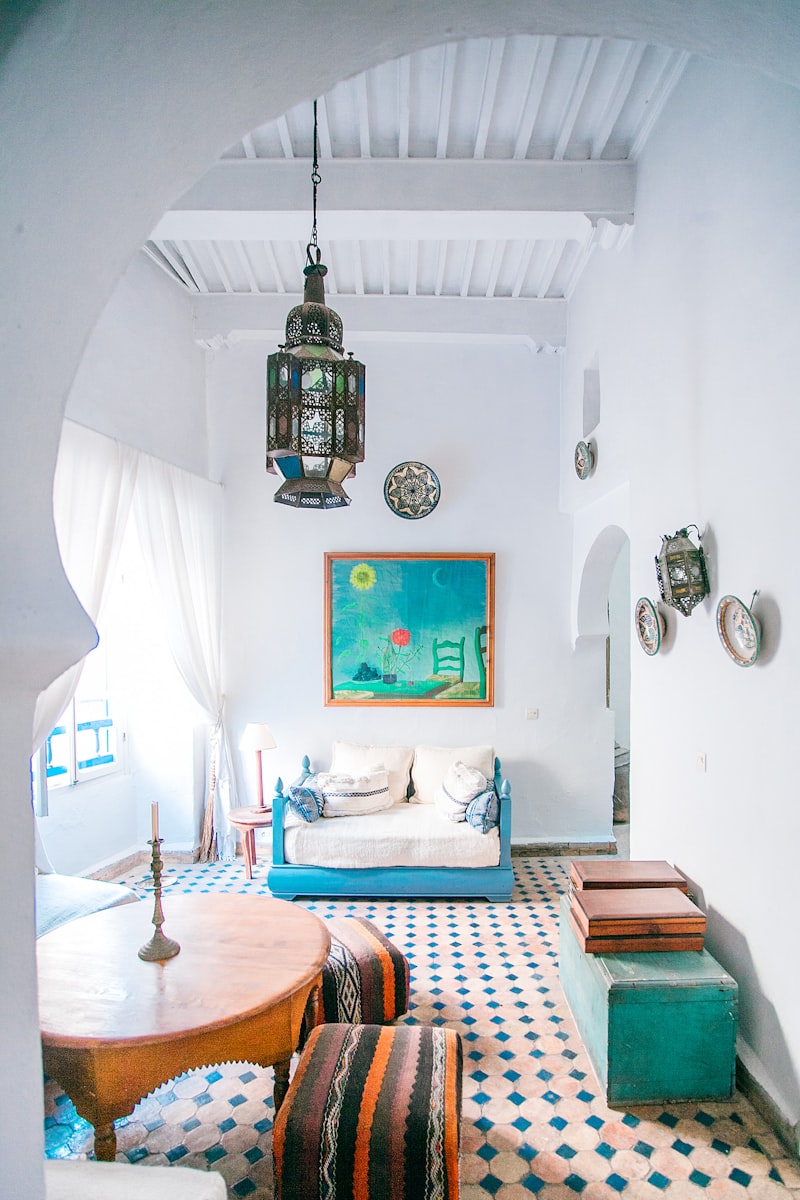
Modernizing With Black Accents
Discover why black windows and doors are the defining architectural statement for high-end home renovations in 2026.
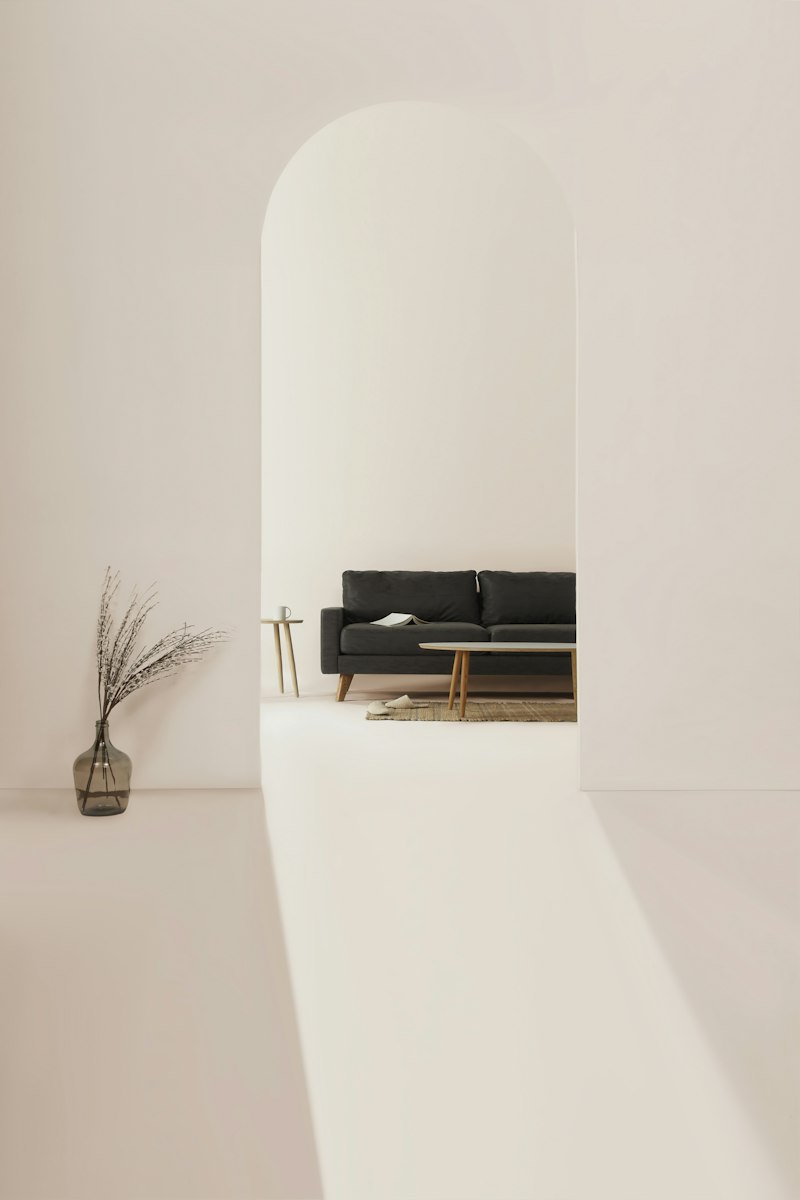
Black Accents: 2026 Renovation Guide
Discover how black windows and doors are redefining modern architecture and learn how to incorporate this bold aesthetic into your home renovation.
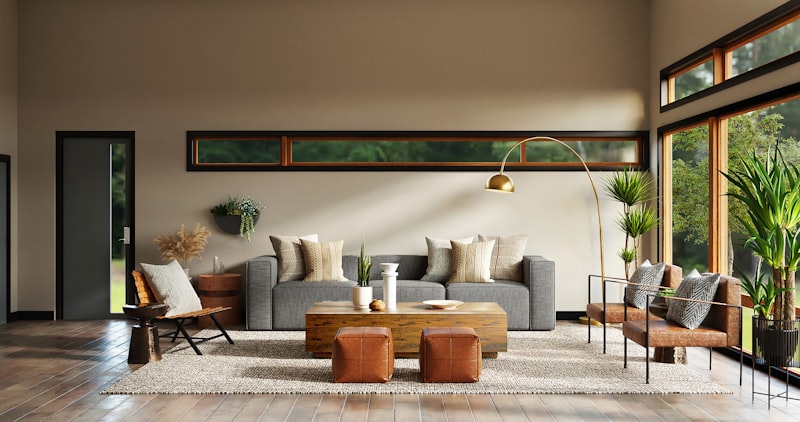
The Bold Black Window Trend
Black frames are redefining modern home aesthetics in 2026, offering a sophisticated blend of industrial edge and timeless elegance for any property.