
Modular Furniture: 2026 Renovation Guide
Discover how modular furniture is redefining flexible living spaces in 2026 through smart, scalable, and sustainable home design.
The Rise of Adaptive Living By 2026, homeowners are prioritizing fluidity over permanence. Modular furniture represents the pinnacle of this shift, offering systems that evolve alongside your lifestyle requirements. Whether you are transitioning from a home office to a guest suite or simply rearranging your living area for social gatherings, these systems provide a structural flexibility that static, monolithic furniture simply cannot match. Investing in modular pieces allows you to future-proof your floor plan without the need for additional construction or major renovations. Core Components and Configuration When selecting modular units, prioritize high-quality interlocking mechanisms and durable materials like powder-coated steel or sustainable composite woods. Look for systems that feature magnetic connectors or tool-free snapping joints, which allow for seamless reconfiguration. A modular sofa, for example, should allow you to detach individual seats to create armchairs or a chaise lounge, effectively doubling your seating utility based on the occasion. Additionally, focus on multi-functional corner units that integrate storage, ensuring that every square inch of your floor plan serves at least two purposes. Strategic Space Planning To maximize the effectiveness of modular pieces, treat your room layout as a dynamic grid rather than a fixed stage. Begin by mapping out the primary traffic flow of your home, then arrange your core modular components to anchor the space. Leave enough negative space between segments to allow for future additions; this breathing room prevents the room from feeling cramped while providing the necessary clearance for expansion. By using area rugs to define the boundaries of your modular zones, you can create visual cohesion even when the furniture is shifted into new configurations. Sustainable and Aesthetic Integration Beyond pure utility, modular furniture in 2026 is heavily focused on sleek, minimalist aesthetics that blend into modern architecture. Opt for neutral palettes with interchangeable fabric covers or panels, which allow you to update the color story of your room without purchasing entirely new furniture. This approach is not only cost-effective but also environmentally conscious, as it extends the lifecycle of your investment. Ensure your pieces are crafted from ethically sourced materials, as the integration of sustainable practices is a non-negotiable benchmark for high-end modular systems this year. By choosing modular, you are committing to a home that grows, breathes, and adapts alongside you.
More Trends
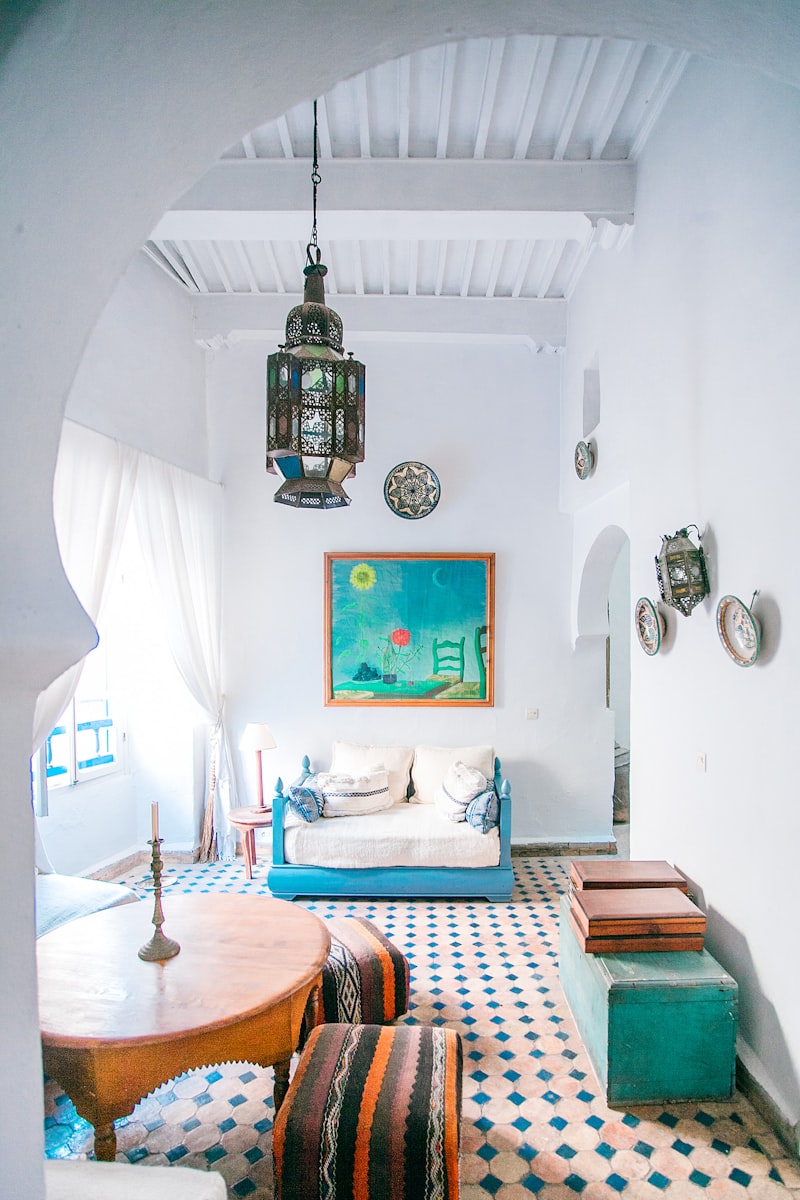
Gold Fixtures: 2026 Renovation Guide
Discover how to integrate timeless brass and gold finishes into your home for a sophisticated, modern aesthetic that elevates every room.
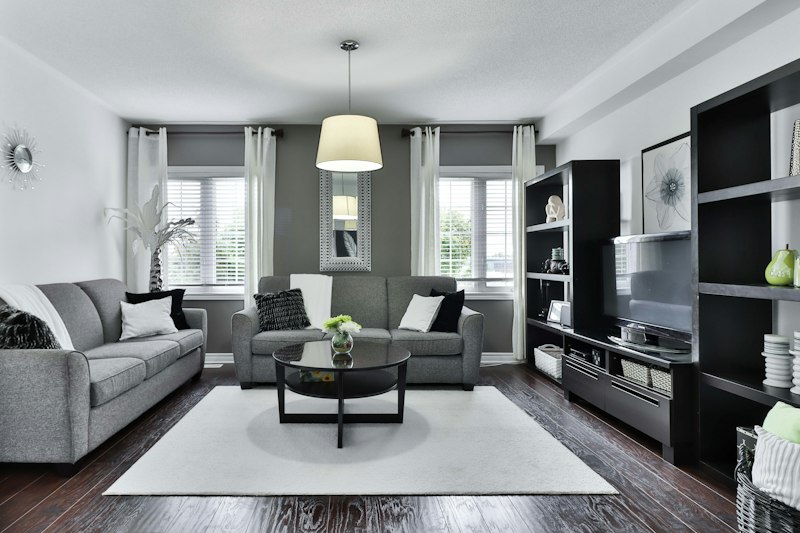
Zellige Tiles: 2026 Design Guide
Discover why the raw, organic beauty of zellige tile is defining home interiors in 2026 and how to install them with precision.
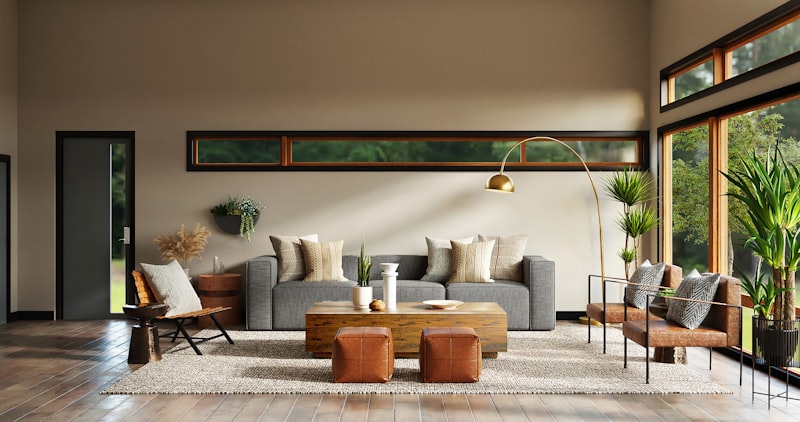
Modular Living: 2026 Renovation Guide
Discover how modular furniture is revolutionizing small-space efficiency and adaptive home design in 2026. This guide offers actionable tips for integrating flexible layouts into your next renovation.
Mastering Japandi Design for 2026
Discover how the fusion of Japanese minimalism and Scandinavian functionality creates the ultimate sanctuary for modern 2026 living.