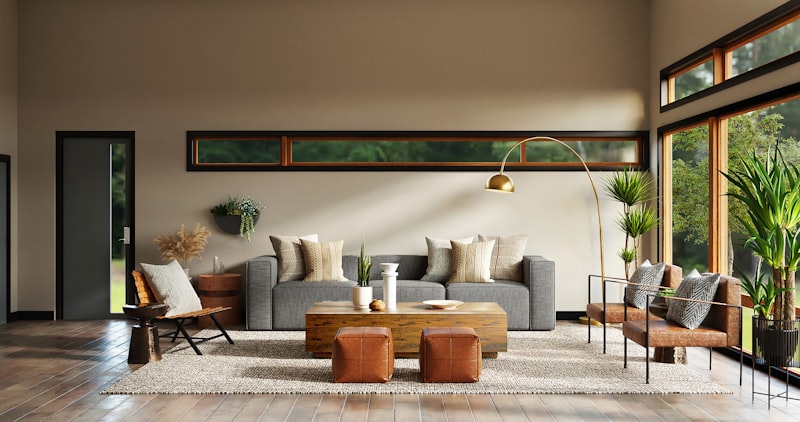
Embracing 2026 Wabi-Sabi Design
Discover the art of finding beauty in imperfection with our guide to integrating wabi-sabi principles into your 2026 home renovation project.
The Essence of Imperfection In 2026, the wabi-sabi movement evolves beyond simple minimalism, focusing on the deep emotional connection between a homeowner and their space. This philosophy celebrates the beauty of things that are modest, humble, and unconventional. Rather than chasing the sleek, factory-perfect aesthetic of the past, modern renovations are shifting toward high-texture, authentic materials that show their age gracefully over time. Core Materiality To achieve this look, prioritize natural, raw materials that feature unique grain patterns, veining, or slight color variations. Incorporate lime-washed walls, reclaimed timber beams, and artisanal hand-fired clay tiles. Unlike synthetic alternatives, these surfaces evolve, developing a distinct patina that tells a story. When selecting materials, opt for matte finishes over glossy ones; a duller surface absorbs light in a way that creates a calming, meditative atmosphere perfect for the modern living environment. Tactile Furniture Selection Your furniture choices should emphasize comfort and human craftsmanship. Look for pieces that feel substantial and organic, such as heavy linen sofas, untreated solid wood tables, or hand-woven rattan accents. In 2026, we see a move away from mass-produced furniture toward custom, heirloom-quality items that embrace asymmetry and rough-hewn edges. By integrating pieces with minor dings or mismatched textures, you create a sense of history that makes a home feel lived-in and welcoming rather than sterile. Mindful Lighting Design Lighting is the bridge between architecture and ambiance in a wabi-sabi space. Ditch the bright, overhead recessed lights in favor of layered, warm illumination. Utilize paper lanterns, sculptural clay pendants, and dimmable floor lamps to create soft, dancing shadows that emphasize the texture of your walls. The goal is to keep the light diffused and gentle, mimicking the golden hour glow. Strategically placing lamps to highlight natural architectural flaws, such as exposed brick or uneven stone, can turn an perceived imperfection into a stunning design feature. Practical Implementation Steps Start your renovation by decluttering aggressively; remove anything that does not serve a function or bring genuine joy. Once your canvas is clear, focus on introducing one high-impact raw element, such as a statement plaster wall in the entryway or exposed raw beams in the ceiling. As you move through the rooms, swap out cold hardware for hand-forged iron or raw copper fixtures that will darken and change with touch. Remember that wabi-sabi is not about achieving a specific look, but about cultivating a sense of peace through the acceptance of nature’s cycle. By choosing materials that age with grace and minimizing artificial perfection, you create a home that feels timeless, grounded, and deeply personal.
More Trends
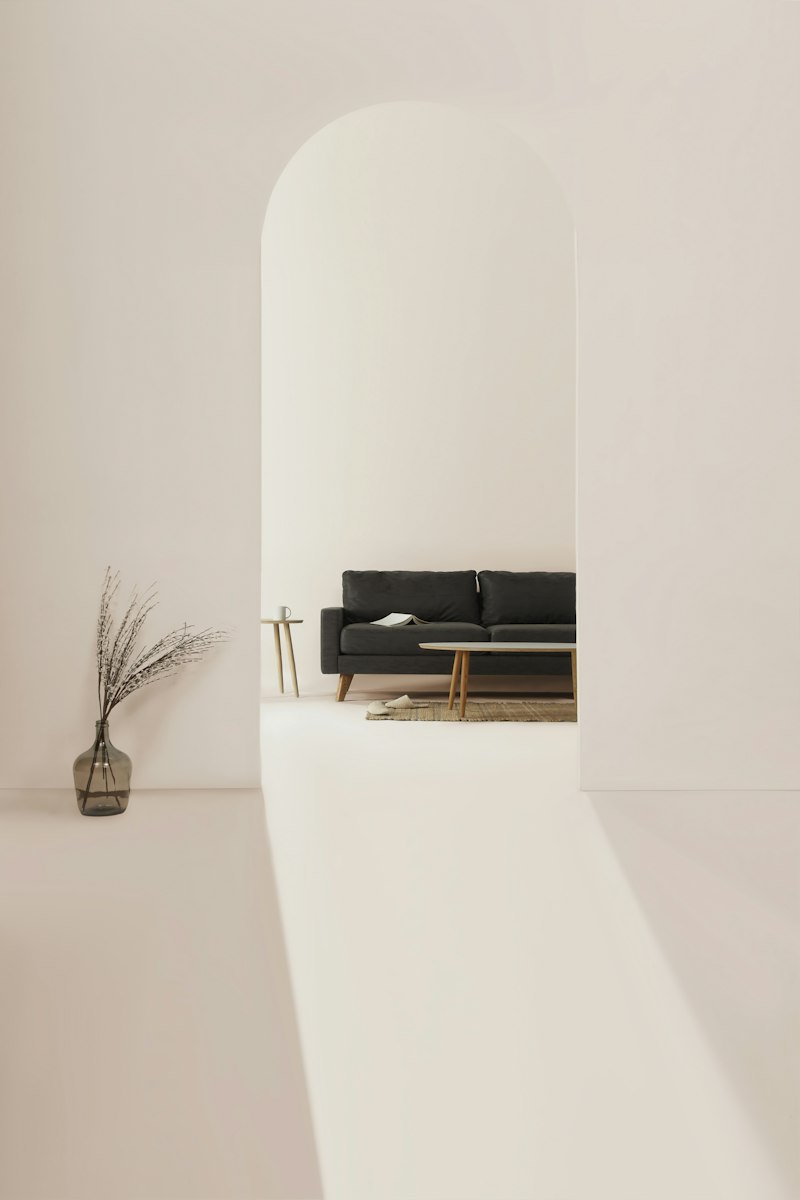
Black Accents: 2026 Renovation Guide
Discover how black windows and doors are redefining modern architecture and learn how to incorporate this bold aesthetic into your home renovation.
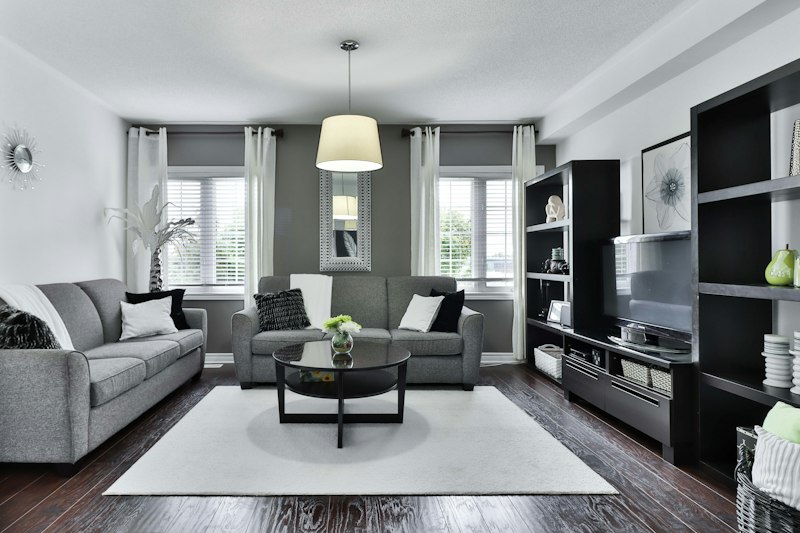
Biophilic Living: 2026 Renovation Guide
Discover how to integrate nature-inspired architecture into your home to boost wellness and aesthetic appeal in 2026.
The Bold Black Window Trend
Black frames are redefining modern home aesthetics in 2026, offering a sophisticated blend of industrial edge and timeless elegance for any property.
Timeless Gold: 2026 Design Guide
Elevate your home's aesthetic with the enduring appeal of brass and gold finishes, a defining trend for modern interior spaces in 2026.