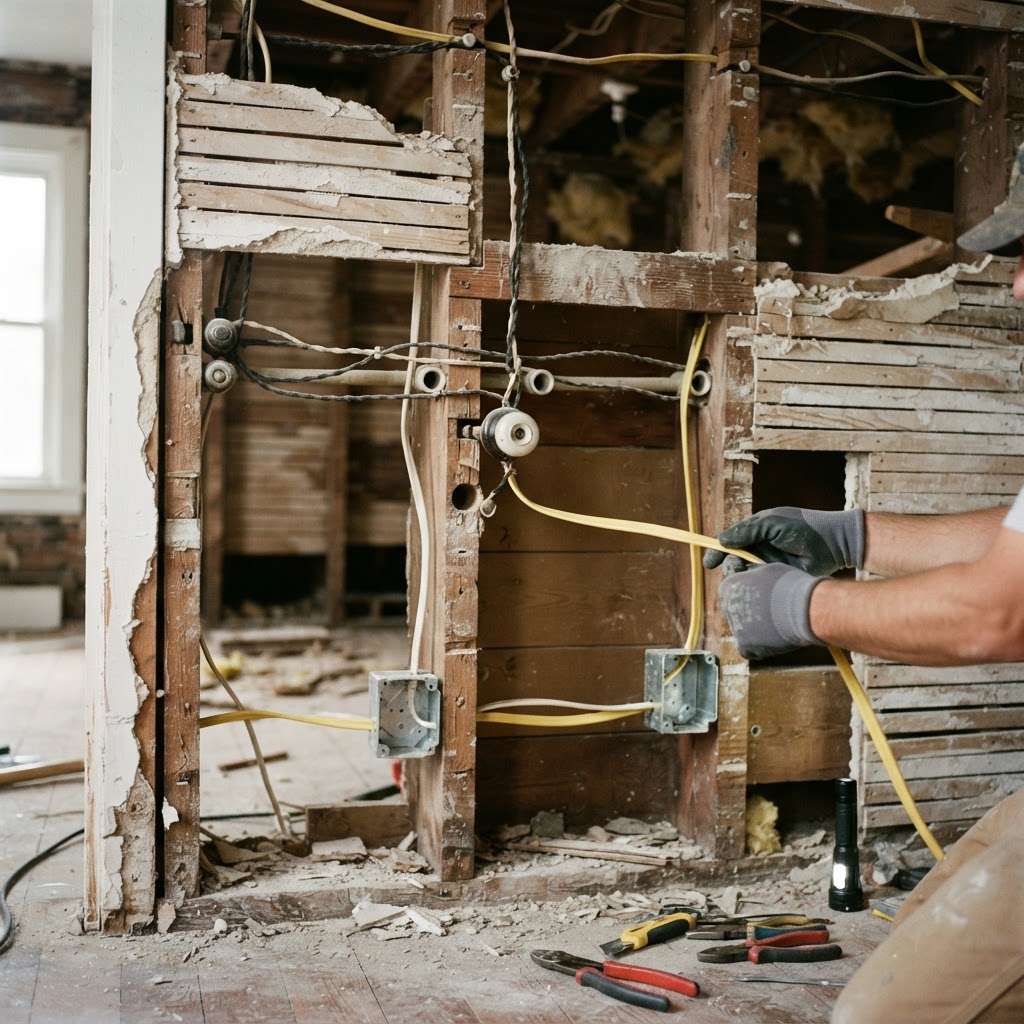
How to Replace Knob-and-Tube Wiring Safely
Knob-and-tube wiring is a hidden fire hazard lurking in millions of older homes. Learn why replacing it is critical and how to approach the upgrade the right way.
Why Knob-and-Tube Wiring Is a Problem
Knob-and-tube (K&T) wiring was the standard electrical system installed in American homes from roughly the 1880s through the 1940s. If your home was built before World War II and has never had a full electrical upgrade, there is a reasonable chance this antiquated system is still running through your walls, attic, and basement. While it was adequate for the electrical demands of that era, it was never designed to power modern appliances, HVAC systems, or the dozens of devices plugged into today's outlets.
The core issue is not just age — it is design. Knob-and-tube wiring uses two separate conductors (a hot wire and a neutral wire) strung independently through ceramic knobs and tubes. It has no ground wire, meaning there is no safety path for fault current. It also relies on open-air cooling to dissipate heat, so when insulation was added to attics and wall cavities over the decades, that cooling effect was eliminated — dramatically increasing fire risk. Many house fires in older homes have been traced directly to overheated or deteriorating K&T wiring buried under blown-in insulation.
The Risks of Leaving It in Place
Beyond fire hazard, knob-and-tube wiring creates serious practical and financial problems. Most homeowners insurance companies will either refuse to cover a home with active K&T wiring or charge significantly higher premiums once it is discovered. If you are buying or selling an older property, a home inspector flagging knob-and-tube can derail a transaction or force a major price negotiation.
The wiring itself degrades over time. The cotton and rubber insulation that wraps the conductors becomes brittle, cracks, and crumbles — especially near heat sources like light fixtures or in attics that see extreme temperature swings. Loose connections at junction points, splices made improperly over the years by previous owners, and overcurrent from modern loads all compound the danger. A two-prong outlet with no ground is also a telltale sign: it offers no protection for sensitive electronics and does not meet current National Electrical Code (NEC) standards.
What the Replacement Process Involves
Replacing knob-and-tube wiring is not a weekend DIY project for most homeowners — it is a full rewire, which means running new grounded 12- or 14-gauge NEC-compliant wiring through finished walls, ceilings, and floors throughout the house. An electrician will typically start at the electrical panel (which often needs upgrading to 200-amp service at the same time), then work circuit by circuit, replacing old conductors with modern Romex or NM-B cable.
In plaster-and-lath walls common to historic homes, the work gets more complex. Electricians use fish tapes, flexible drill bits, and strategic access holes to route new wiring with minimal demolition, though some drywall or plaster repair is almost always necessary. The job usually requires pulling an electrical permit, and your local building department will schedule inspections at rough-in and final stages. Budget realistically: a full rewire of a 1,500-square-foot older home typically runs between $8,000 and $20,000 depending on complexity, region, and whether the panel is also being upgraded.
Code, Safety, and Contractor Advice
The NEC requires that all new circuits include a ground wire and that outlets in kitchens, bathrooms, garages, and exterior locations be GFCI-protected. If a full rewire is not immediately affordable, a licensed electrician can install GFCI outlets at the first outlet in each ungrounded circuit as a code-compliant interim measure — but this does not eliminate the fire risk from deteriorating conductors and should not be treated as a permanent solution.
When hiring a contractor, always verify they are licensed and insured in your state, and ask specifically about their experience rewiring older homes with plaster walls or balloon framing. Get at least three written bids and confirm that the scope includes permit fees and inspection coordination. Ask whether they will document and label every new circuit at the panel — a step that is often skipped but invaluable for future maintenance.
Finally, never add insulation to walls or an attic before confirming that knob-and-tube wiring has been fully removed or decommissioned. Encasing active K&T wiring in insulation is a code violation in most jurisdictions and one of the most dangerous mistakes made during energy retrofits in historic homes.
More Modernization Guides
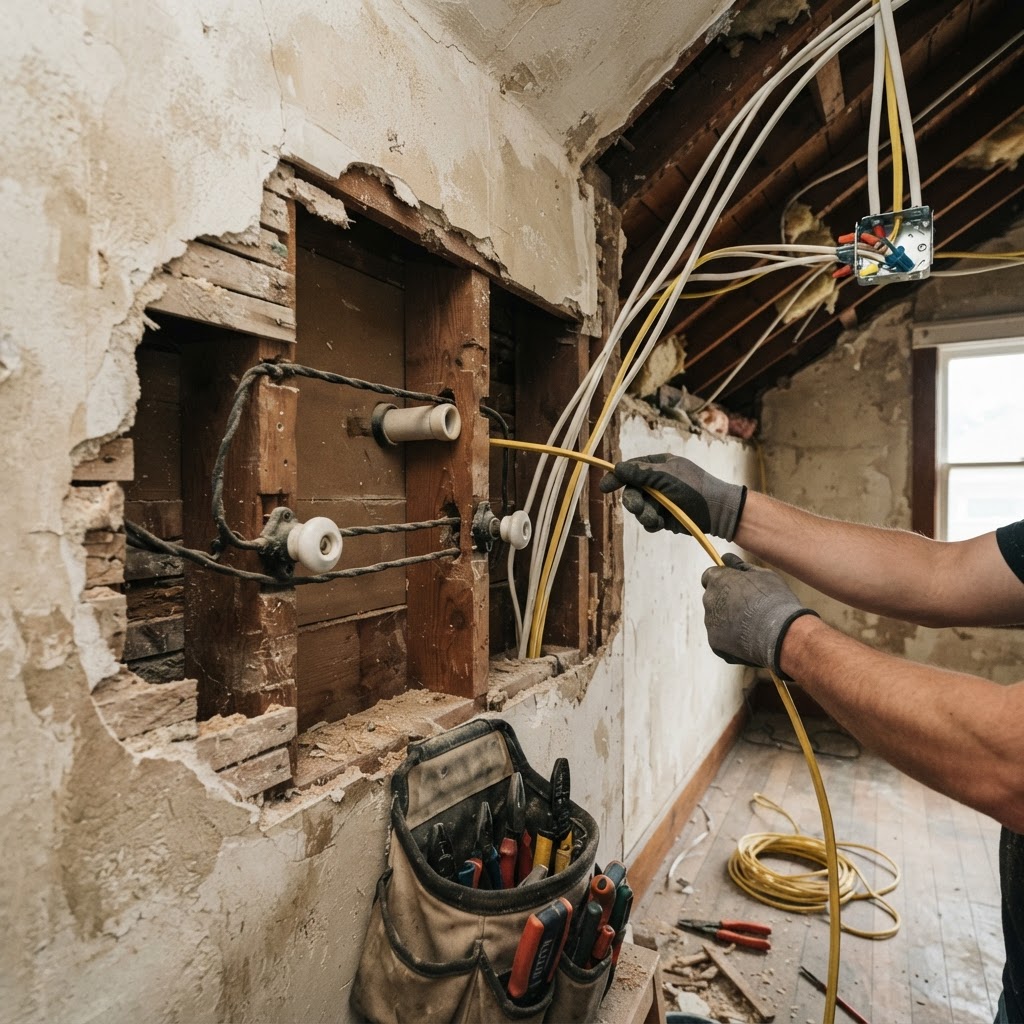
How to Replace Knob-and-Tube Wiring in Older Homes
Knob-and-tube wiring is one of the most common—and dangerous—electrical hazards found in homes built before 1950. Learn what replacing it involves, why it matters, and how to do it safely and to code.
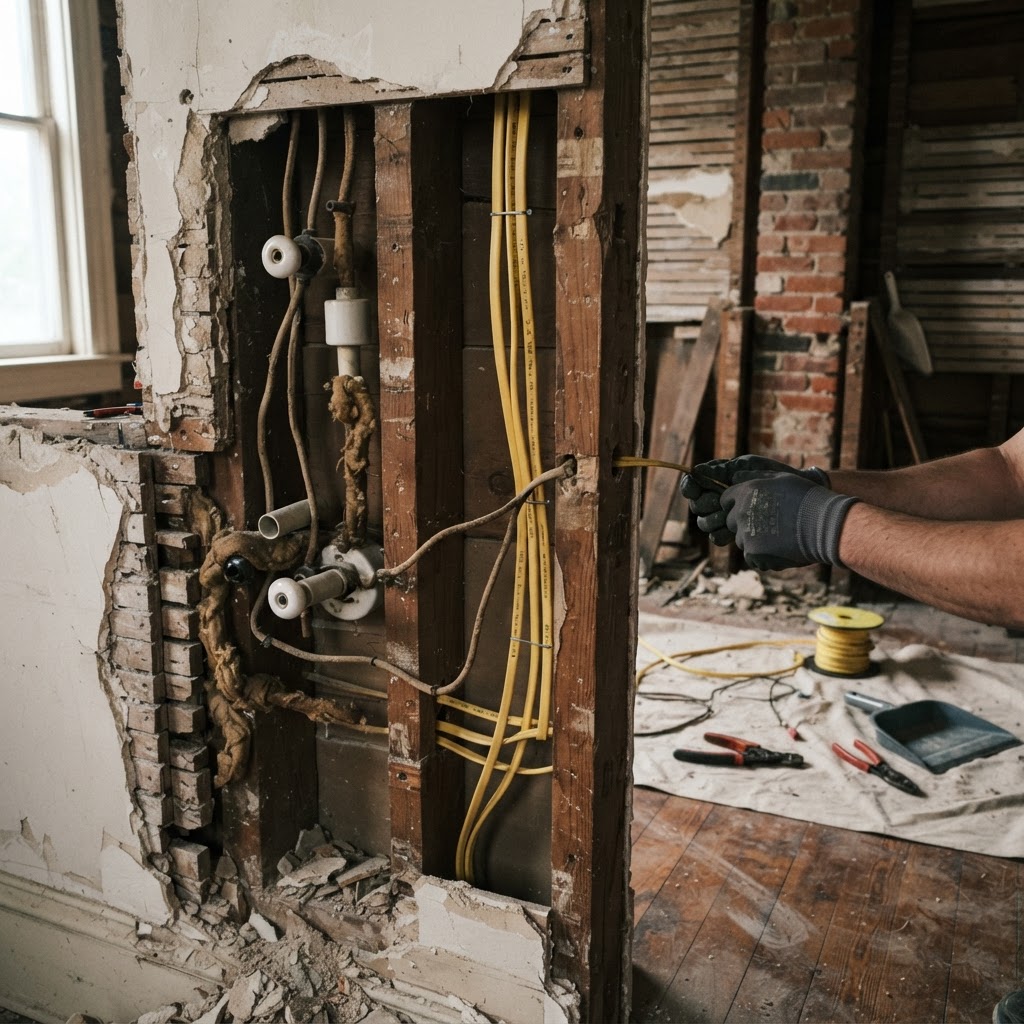
How to Replace Knob-and-Tube Wiring in Older Homes
Knob-and-tube wiring is one of the most common and dangerous electrical hazards found in homes built before 1950. Learn why replacing it is essential and how to approach the project safely and effectively.
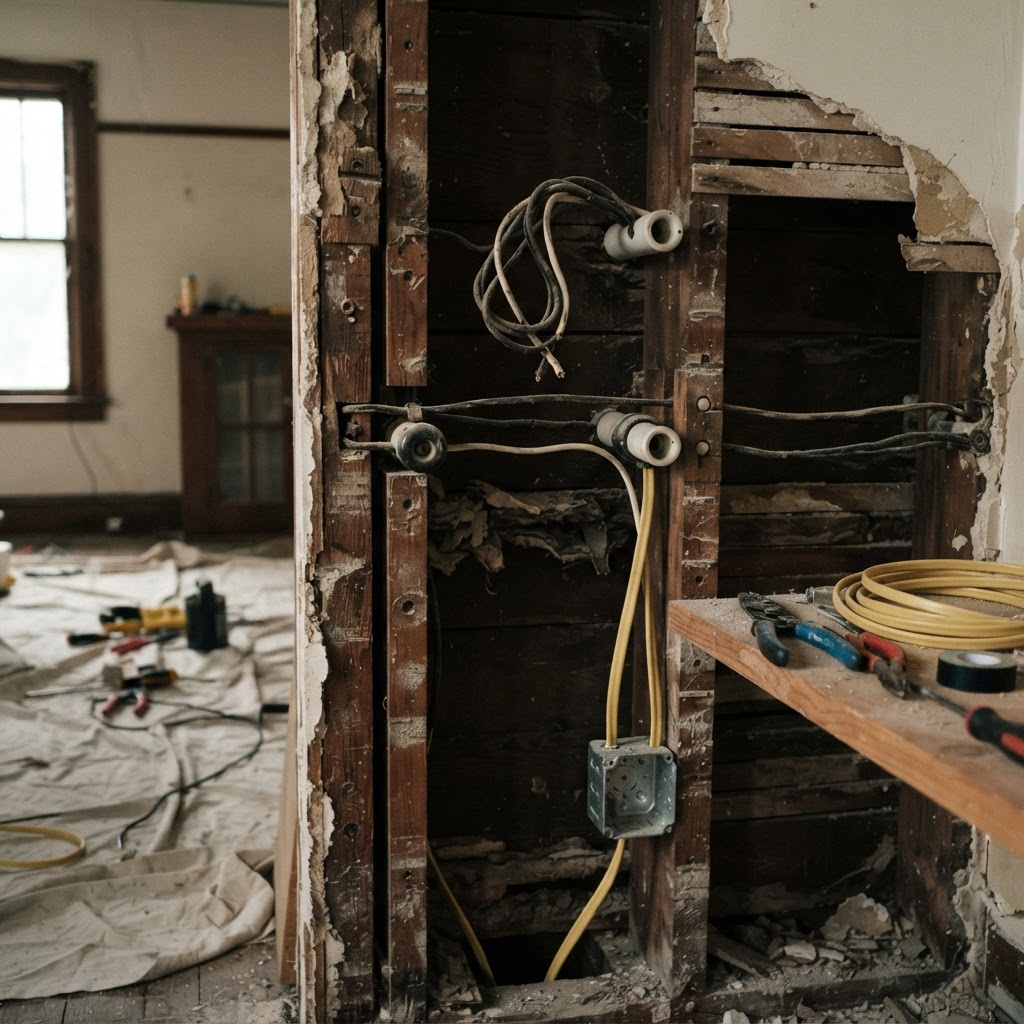
How to Replace Knob-and-Tube Wiring Safely and Smartly
Knob-and-tube wiring is one of the most common and dangerous electrical hazards in older homes. Learn what it involves, why it must go, and how to plan a safe, code-compliant replacement.
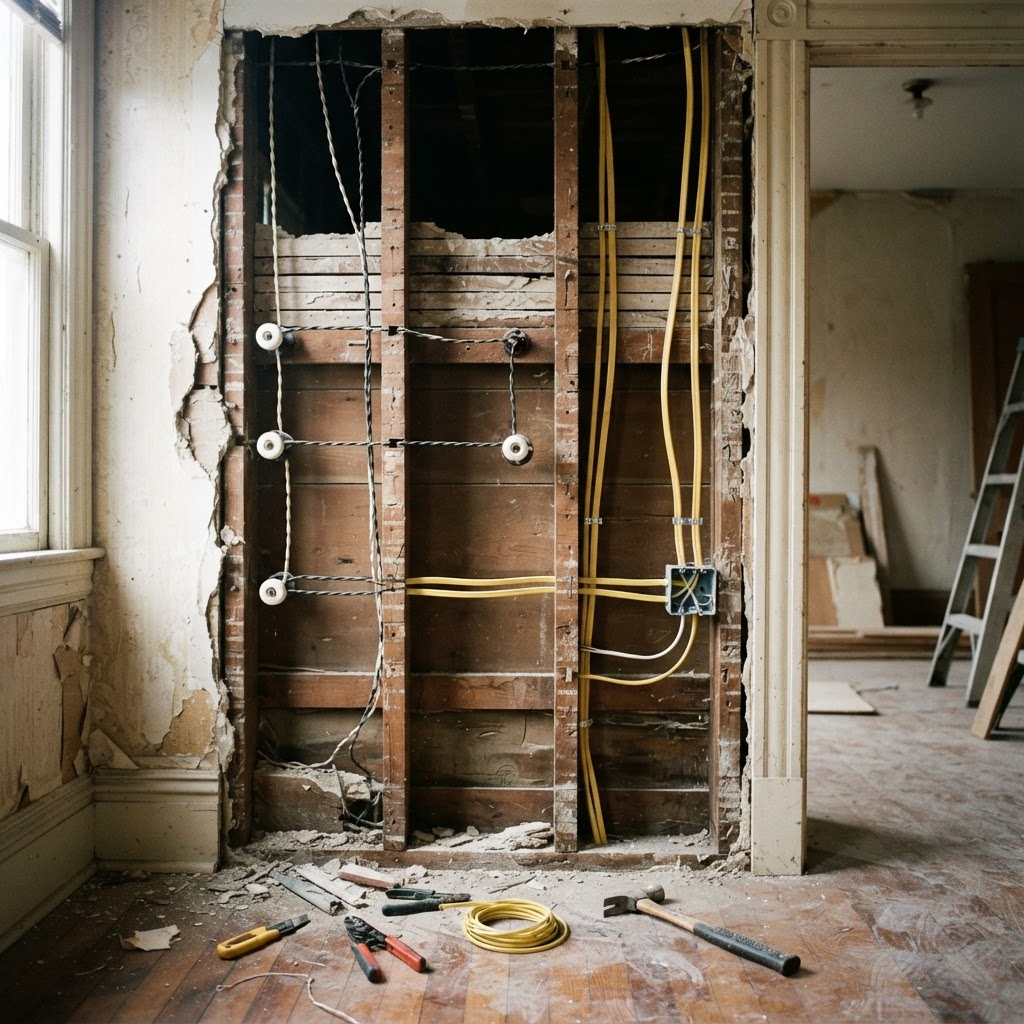
How to Replace Knob-and-Tube Wiring Safely and Effectively
Knob-and-tube wiring is one of the most common electrical hazards found in homes built before 1950. Learn why replacing it is essential and how to approach the project the right way.