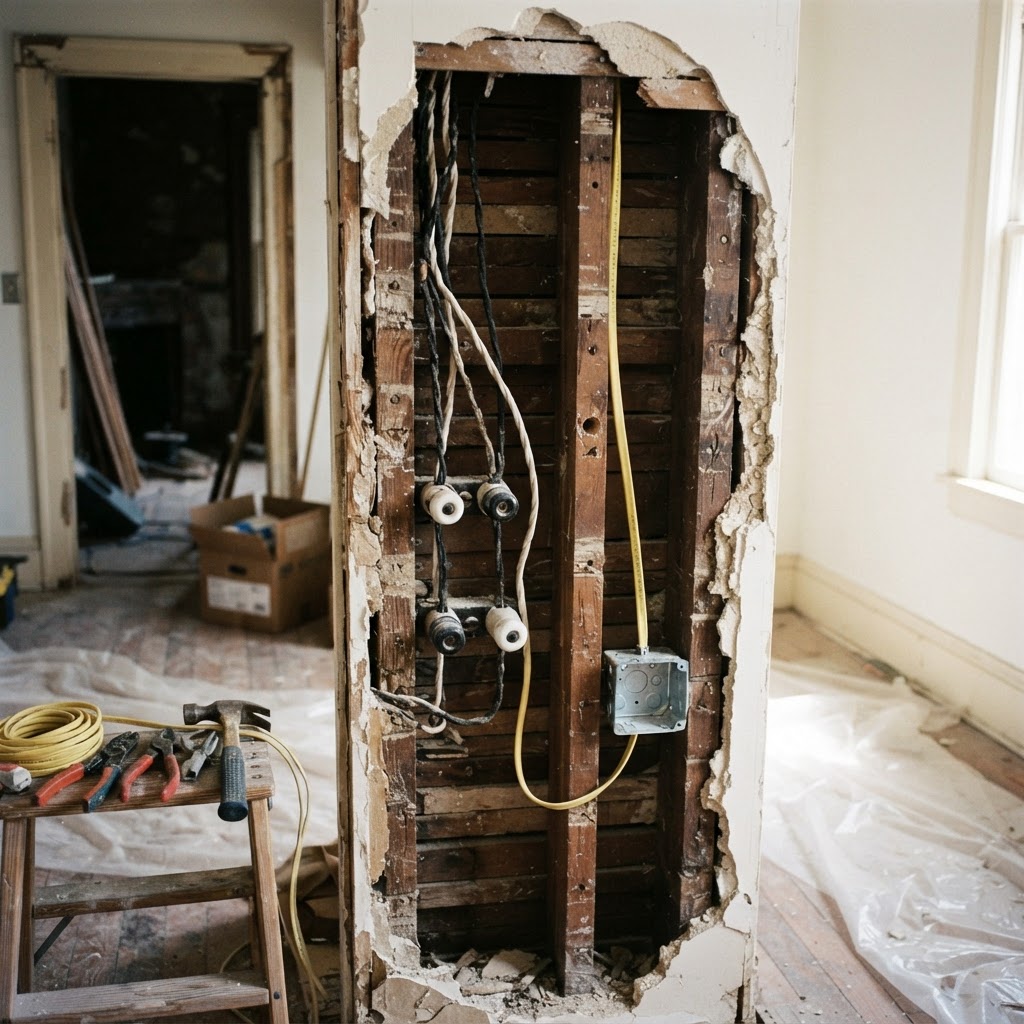
How to Replace Knob-and-Tube Wiring Safely
Knob-and-tube wiring is a hidden fire hazard lurking in millions of older homes. Learn why replacing it is critical and how to approach the project the right way.
What Is Knob-and-Tube Wiring and Why Does It Matter
Knob-and-tube (K&T) wiring was the standard electrical system installed in American homes from roughly the 1880s through the 1940s. Named for the ceramic knobs that anchored wires to framing and the ceramic tubes that protected wires passing through joists and studs, this system was entirely adequate for the electrical demands of its era. The problem is that most of those homes now carry far more load than the wiring was ever designed to handle.
Unlike modern wiring, knob-and-tube has no ground wire, making it incompatible with three-prong outlets and modern appliances. It also uses rubber insulation that becomes brittle and cracks with age, dramatically increasing the risk of arcing and electrical fires. If your home was built before 1950 and has never had a full rewire, there is a reasonable chance K&T wiring is still present somewhere in the walls or attic.
The Risks of Leaving Knob-and-Tube Wiring in Place
The most serious danger is fire. Cracked insulation exposes energized conductors that can arc against wood framing, insulation, or other combustible material. Because K&T runs as individual open-air wires rather than bundled cables, it was designed to dissipate heat into open space — covering it with blown-in attic insulation, which many homeowners have done for energy efficiency, traps that heat and dramatically raises fire risk.
Insurance is another major concern. Many homeowners and property insurers now refuse to write policies for homes with active knob-and-tube wiring, or charge significantly higher premiums. If you are buying or selling an older home, a home inspector flagging K&T wiring can complicate financing and appraisals. Leaving it in place is not just a safety gamble — it is an increasing financial liability.
There is also the practical limitation of ungrounded circuits. Without a ground path, sensitive electronics, computers, and appliances are vulnerable to damage from power surges. Installing ground-fault circuit interrupter (GFCI) outlets can offer some protection at specific locations, but they do not fully substitute for a properly grounded modern wiring system.
What a Full Rewire Actually Involves
Replacing knob-and-tube wiring means running new NM-B cable (commonly called Romex) or conduit throughout the home, connecting to a modern breaker panel, and installing grounded outlets and switches. In a full rewire, electricians typically work from the attic and basement, drilling through top and bottom plates to fish wire down through wall cavities. In many cases, walls do not need to be fully opened — experienced electricians use fish tapes, flex bits, and inspection cameras to route new wire with minimal drywall damage.
Expect the project to also include upgrading your electrical panel if it has not already been replaced. A 100-amp or 150-amp panel is the minimum for a modern single-family home; 200-amp service is strongly recommended if you have or plan to add electric appliances, EV charging, or HVAC equipment. All new work must be permitted and inspected by your local building department — do not skip this step, as unpermitted electrical work creates serious liability issues when you sell.
Practical Advice for Hiring and Managing the Project
Always hire a licensed master electrician for a rewire of this scope. Get at least three written bids and ask each contractor specifically how they plan to minimize wall damage and whether the permit and inspection are included in the quote. Ask to see examples of similar historic rewire projects they have completed. References from homeowners with plaster-wall homes are particularly valuable, since fishing wire through plaster is more difficult than through drywall.
Before work begins, document which circuits serve which areas of the home. Plan to be without power to portions of the house for one to several days depending on home size. If you have plaster walls you want to preserve, discuss patching responsibilities and costs upfront — some electrical contractors include patching, others do not.
Finally, once the rewire is complete and inspected, update your homeowner's insurance carrier immediately. You will likely see a meaningful reduction in your premium, and you will have the peace of mind that comes from knowing your home's electrical system is safe, grounded, and built to last another century.
More Modernization Guides
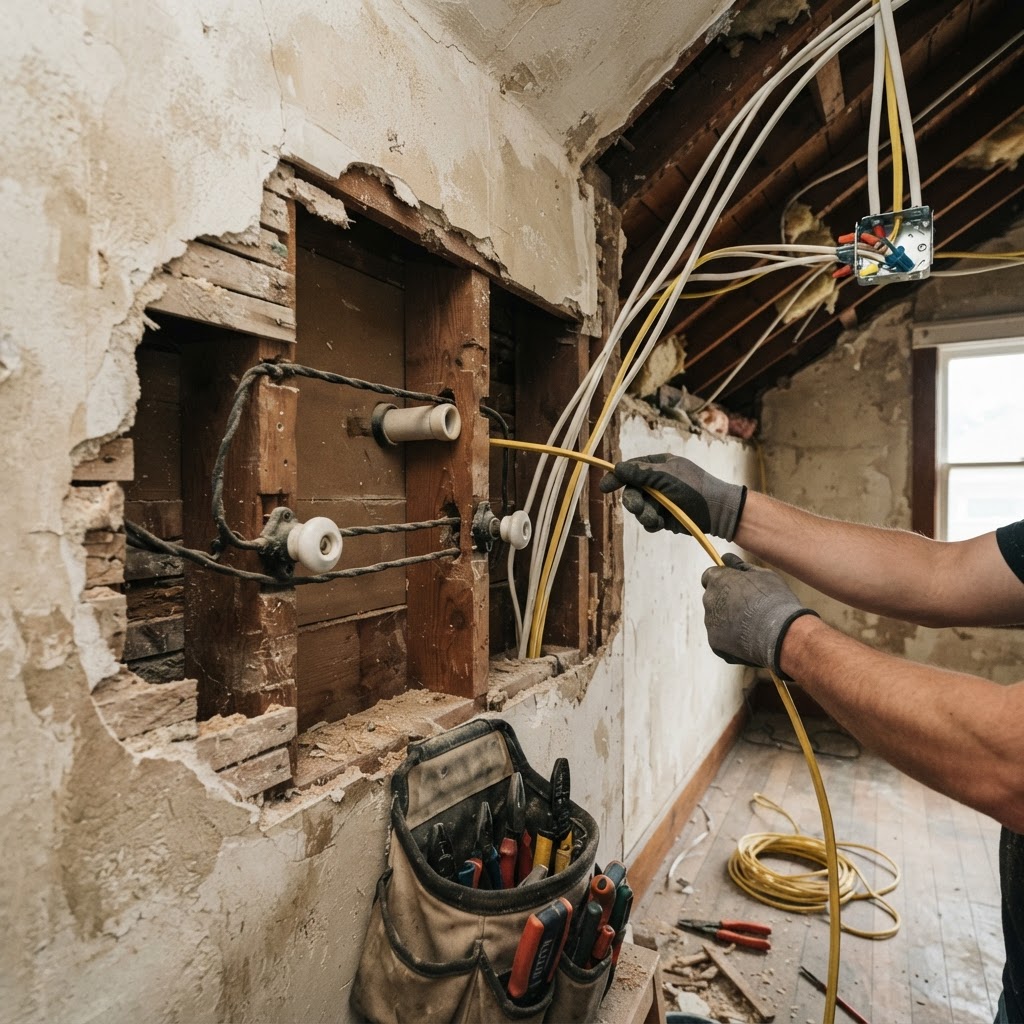
How to Replace Knob-and-Tube Wiring in Older Homes
Knob-and-tube wiring is one of the most common—and dangerous—electrical hazards found in homes built before 1950. Learn what replacing it involves, why it matters, and how to do it safely and to code.
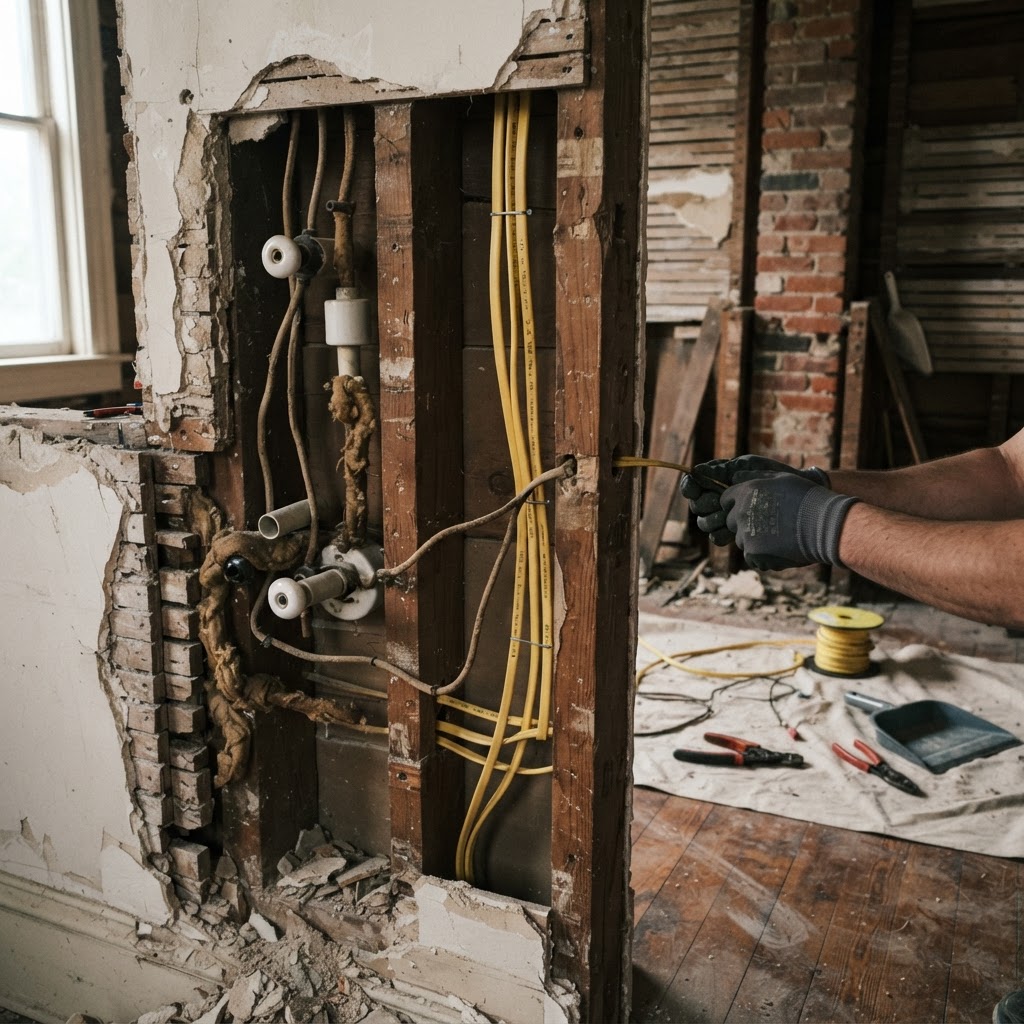
How to Replace Knob-and-Tube Wiring in Older Homes
Knob-and-tube wiring is one of the most common and dangerous electrical hazards found in homes built before 1950. Learn why replacing it is essential and how to approach the project safely and effectively.
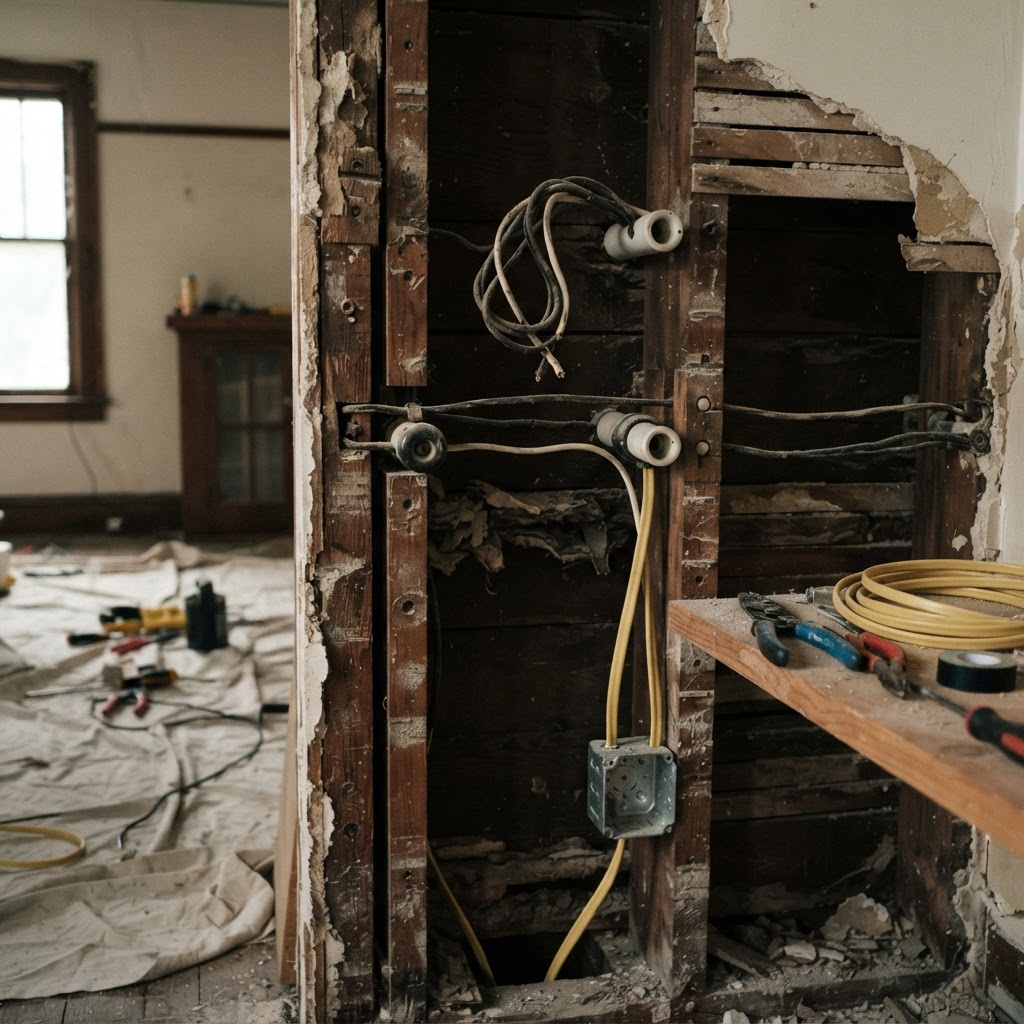
How to Replace Knob-and-Tube Wiring Safely and Smartly
Knob-and-tube wiring is one of the most common and dangerous electrical hazards in older homes. Learn what it involves, why it must go, and how to plan a safe, code-compliant replacement.
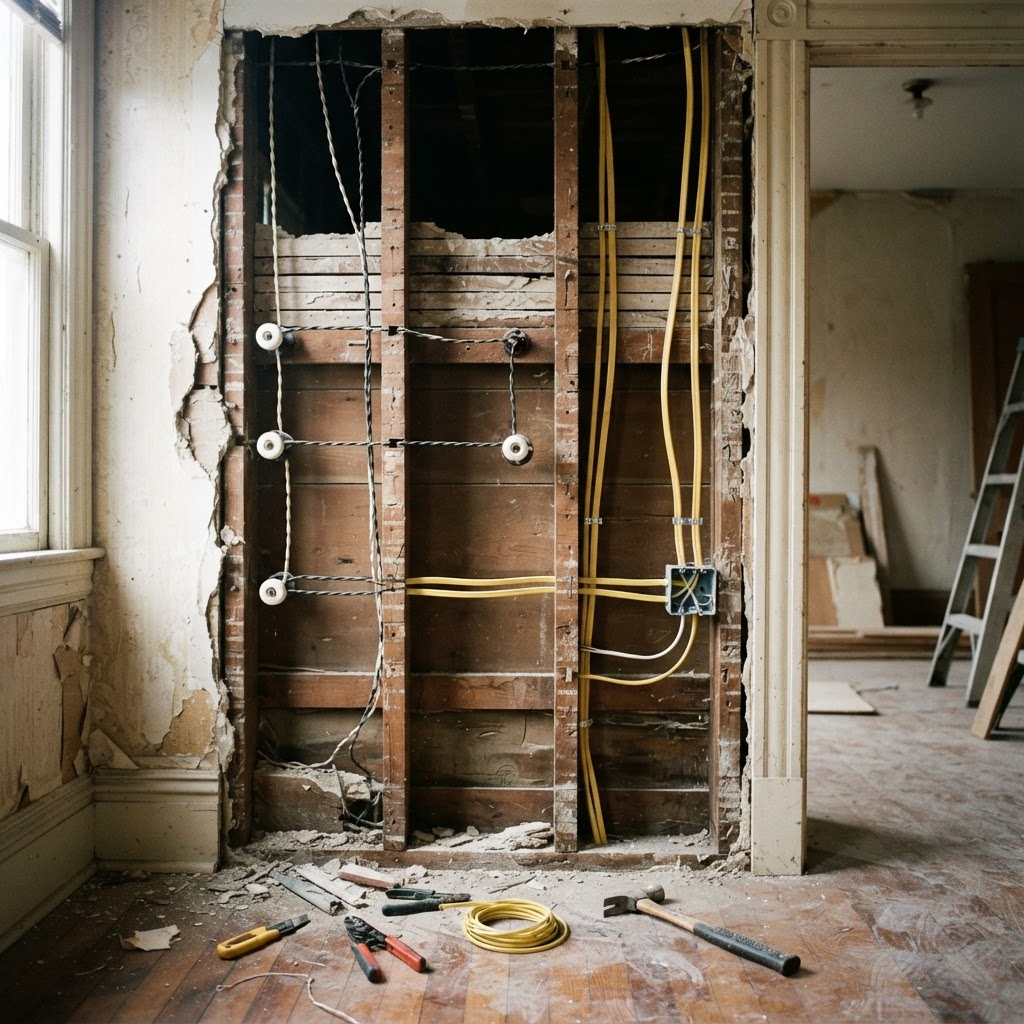
How to Replace Knob-and-Tube Wiring Safely and Effectively
Knob-and-tube wiring is one of the most common electrical hazards found in homes built before 1950. Learn why replacing it is essential and how to approach the project the right way.