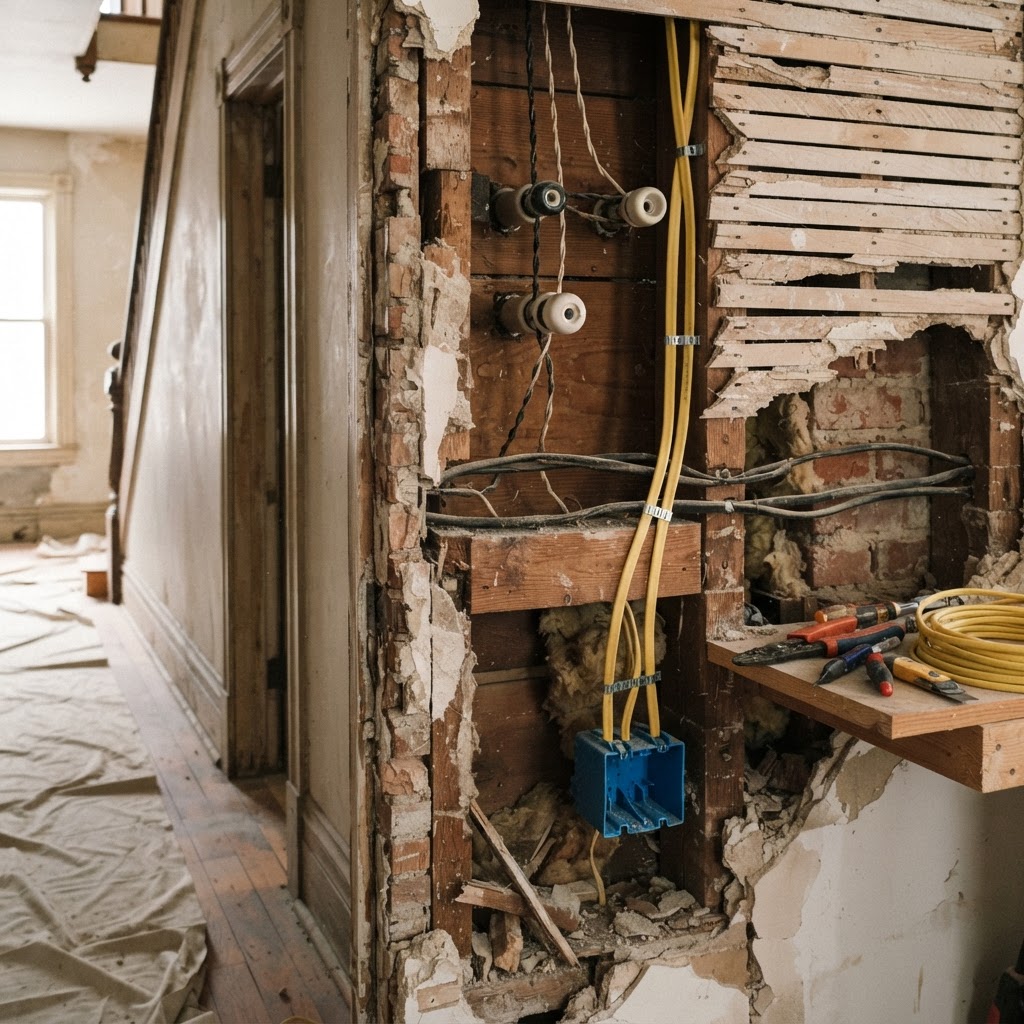
How to Safely Replace Knob-and-Tube Wiring in Older Homes
Knob-and-tube wiring is a hidden fire hazard lurking in millions of pre-1950 homes. Learn what replacement involves, why it matters, and how to work with contractors to modernize your electrical system safely.
Why Knob-and-Tube Wiring Is Still a Problem Today
Knob-and-tube (KT) wiring was the standard electrical system installed in American homes from roughly the 1880s through the 1940s. If your home was built before 1950 and has never had a full electrical upgrade, there is a reasonable chance some of this wiring still exists inside your walls, ceilings, or attic spaces. While it was considered safe and functional for its era, it was designed for a world that ran on a fraction of the electrical load modern households demand.
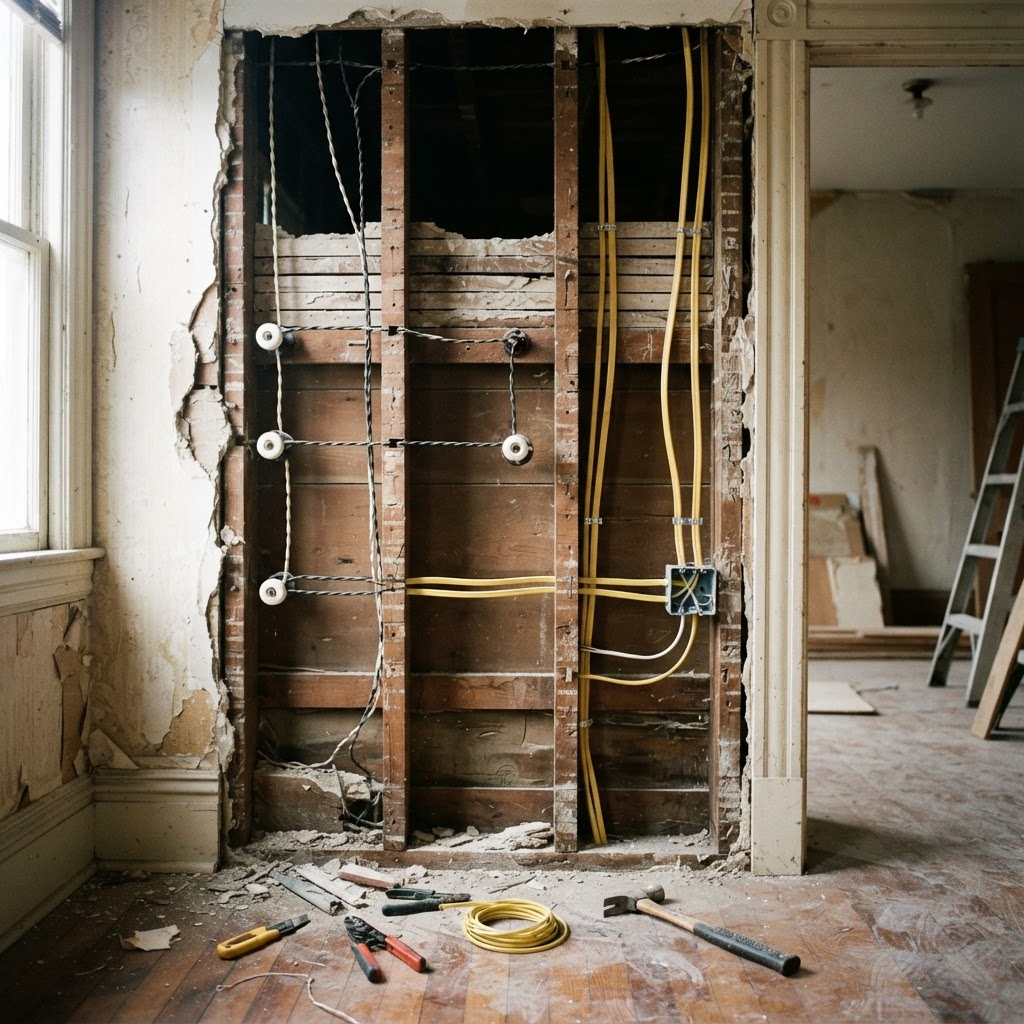
The system gets its name from the ceramic knobs used to anchor wires to framing members and the ceramic tubes that protected wires where they passed through wood. These components insulated the wiring from the structure, which was an effective strategy at the time. The core problem is that this insulation — typically rubber-coated cloth — degrades over decades, becoming brittle, cracked, and prone to exposure.
The Real Risks of Leaving It in Place
The most serious danger with aging knob-and-tube wiring is fire. As the insulation deteriorates, bare copper conductors can come into contact with wood framing, insulation materials, or each other, creating conditions for arcing and ignition. Many house fires traced to electrical causes in older homes involve degraded knob-and-tube systems. Insurance companies are increasingly aware of this risk — many will refuse to write new homeowner's policies or will charge significantly higher premiums on homes with active KT wiring.
There are compounding hazards as well. Knob-and-tube wiring has no ground wire, meaning it offers zero protection against electrical shock from appliances and devices that require a three-prong grounded outlet. It also cannot be safely buried under attic insulation, which is a critical issue if you are trying to improve your home's energy efficiency. Covering KT wiring with blown-in insulation traps heat around conductors never designed for that condition, dramatically increasing fire risk — and it is explicitly prohibited by the National Electrical Code (NEC).
What the Replacement Process Actually Involves
Replacing knob-and-tube wiring is not a weekend DIY project for most homeowners. It is a whole-house rewiring job that requires a licensed electrician and, in almost all jurisdictions, a pulled electrical permit with inspections. The process begins with a thorough assessment of what KT circuits remain active versus which have already been replaced or disconnected. Many older homes have a patchwork of wiring generations — some KT, some mid-century two-wire romex, and some modern grounded cable.
The electrician will typically work circuit by circuit, running new NM-B (Romex) cable from an upgraded panel through walls and ceilings to new outlet, switch, and fixture locations. In finished spaces, this often involves fishing wire through walls using flex drill bits and pulling cable through small access holes rather than opening every wall completely. Expect some drywall or plaster repair — in historic homes with original plaster walls, a skilled crew will minimize damage, but some patching is unavoidable. The job also nearly always includes upgrading the main electrical panel to 200-amp service if that has not already been done.
Code Requirements and Contractor Guidance
The NEC and local amendments govern this work closely. All new wiring must be properly grounded, circuits must be sized appropriately for their loads, and certain areas like kitchens, bathrooms, garages, and exterior outlets require GFCI protection. Many jurisdictions now also require AFCI (arc-fault circuit interrupter) breakers on bedroom and living area circuits — a requirement that actually addresses the exact type of arc ignition that makes old wiring dangerous.
When hiring a contractor, ask specifically about their experience in older and historic homes. Request references from similar projects. Get at least three bids and make sure each bid specifies whether permit fees, panel replacement, and drywall repair are included. Be cautious of any electrician who suggests simply splicing new wire onto existing KT runs — this practice is code-prohibited and defeats the entire purpose of the upgrade.
Finally, once the work is complete and inspections are signed off, notify your insurance provider immediately. A full rewire typically results in lower premiums and removes coverage exclusions. It is one of the highest-value safety investments you can make in an older home.
More Modernization Guides
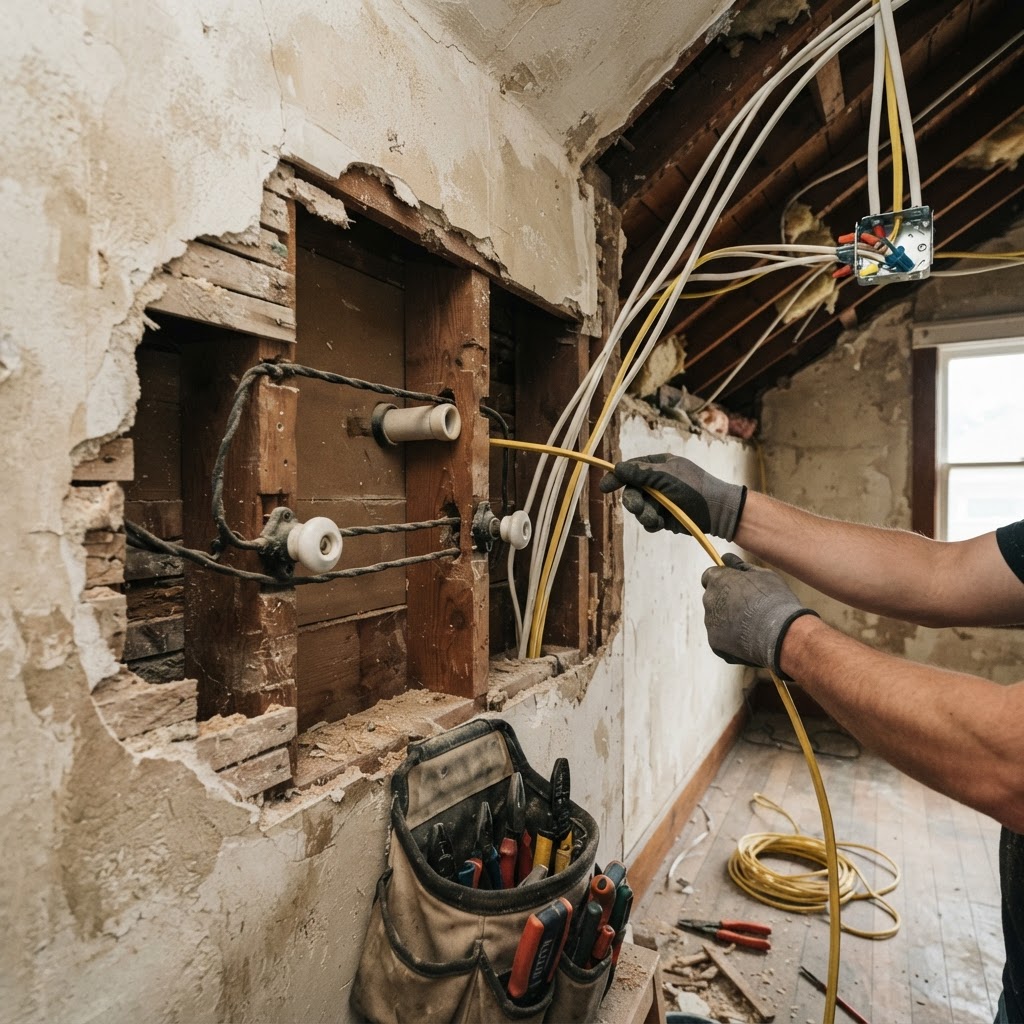
How to Replace Knob-and-Tube Wiring in Older Homes
Knob-and-tube wiring is one of the most common—and dangerous—electrical hazards found in homes built before 1950. Learn what replacing it involves, why it matters, and how to do it safely and to code.
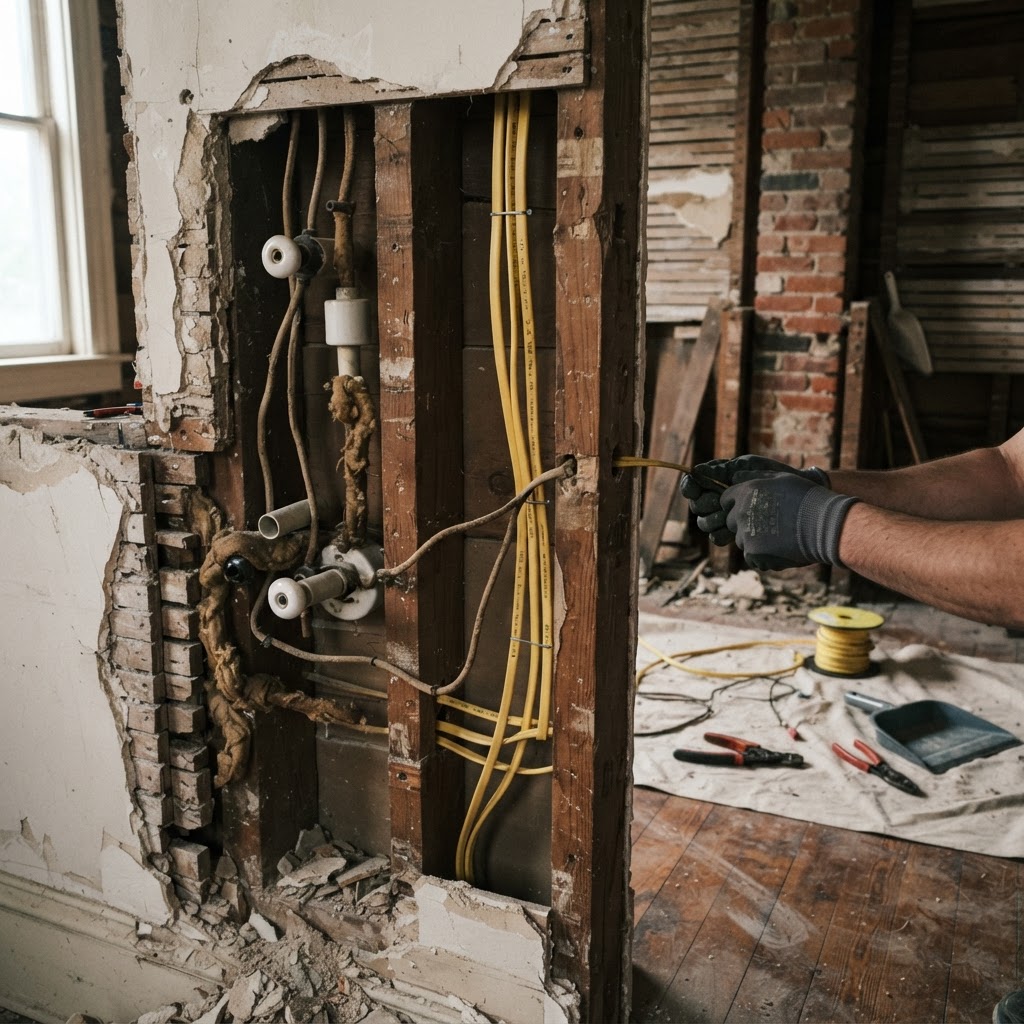
How to Replace Knob-and-Tube Wiring in Older Homes
Knob-and-tube wiring is one of the most common and dangerous electrical hazards found in homes built before 1950. Learn why replacing it is essential and how to approach the project safely and effectively.
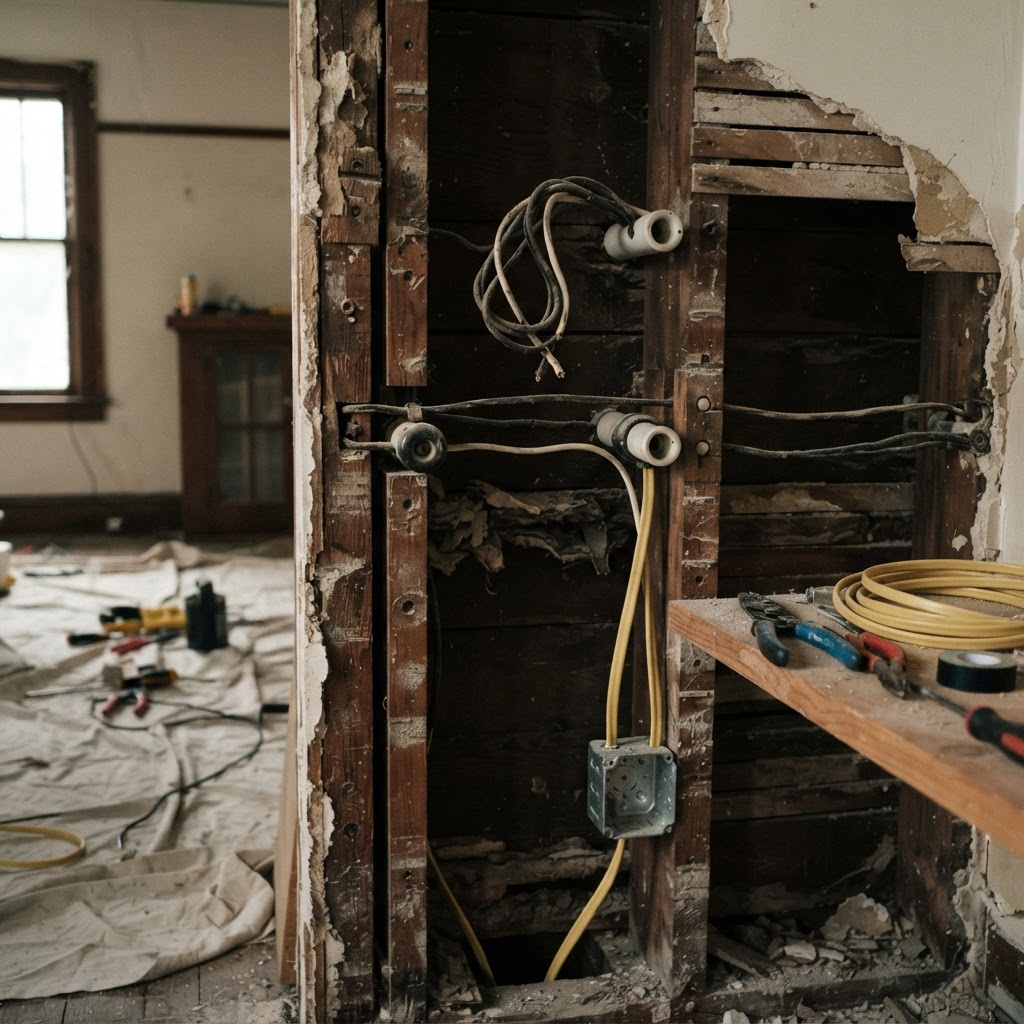
How to Replace Knob-and-Tube Wiring Safely and Smartly
Knob-and-tube wiring is one of the most common and dangerous electrical hazards in older homes. Learn what it involves, why it must go, and how to plan a safe, code-compliant replacement.
How to Replace Knob-and-Tube Wiring Safely and Effectively
Knob-and-tube wiring is one of the most common electrical hazards found in homes built before 1950. Learn why replacing it is essential and how to approach the project the right way.