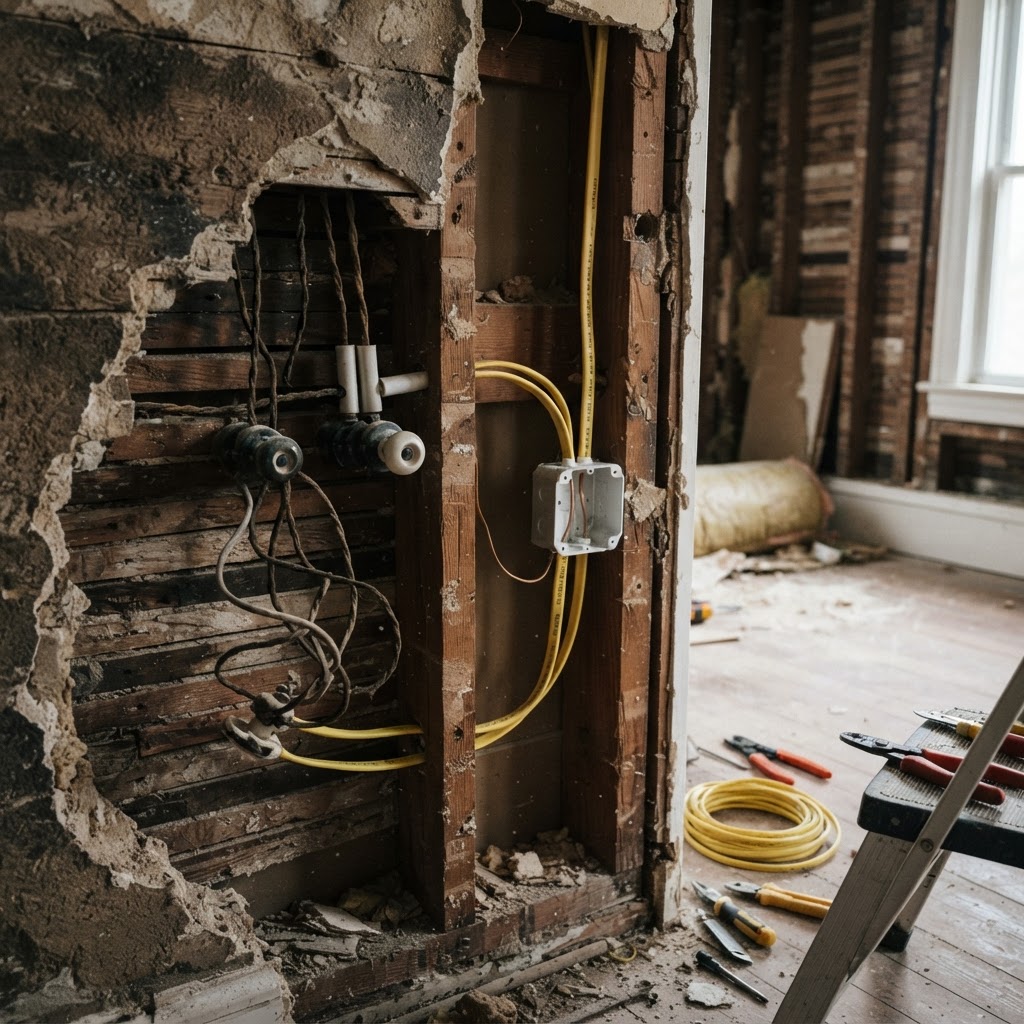
How to Safely Replace Knob-and-Tube Wiring in Older Homes
Knob-and-tube wiring is one of the most common and serious hazards lurking inside older homes. Learn what's involved in replacing it, why it matters, and how to work with contractors to do it safely and to code.
What Is Knob-and-Tube Wiring and Why Does It Matter?
Knob-and-tube (KT) wiring was the standard electrical system installed in American homes from roughly the 1880s through the 1940s. It gets its name from the ceramic knobs used to anchor wires to framing members and the ceramic tubes that protected wires as they passed through joists and studs. While it was perfectly adequate for the electrical loads of a century ago, today's homes demand far more power — and that's where the trouble begins.
Most KT systems were designed to handle 60 amps of service or less, feeding a handful of lights and small appliances. Modern households routinely draw 150 to 200 amps to power HVAC systems, kitchen appliances, home offices, and entertainment systems. That gap between original design capacity and actual demand puts enormous stress on aging conductors, increasing the risk of overheating and electrical fires.
Another critical issue: knob-and-tube wiring has no ground wire. This two-conductor system leaves appliances and outlets unprotected against surges and faults that a modern grounded system would safely dissipate. Homes with KT wiring often have two-prong, ungrounded outlets — a telltale sign that the electrical system has never been updated.
The Real Risks of Leaving Knob-and-Tube Wiring in Place
The most immediate danger isn't the wiring itself — it's what has happened to it over decades of use and renovation. Insulation on KT wires is typically made of rubber and cloth, materials that become brittle, crack, and crumble with age. When insulation degrades, bare copper conductors can contact wood framing or other combustible materials, creating a fire hazard that may smolder invisibly inside walls for hours before igniting.
Another serious problem arises when well-meaning homeowners or previous contractors have insulated over knob-and-tube wiring. KT wires are designed to dissipate heat into open air. When blown-in insulation or batts are packed around them, that heat has nowhere to go — dramatically increasing the fire risk. Many insurance companies now refuse to write policies on homes with active knob-and-tube wiring, or charge significantly higher premiums when it's present.
Splices and junction points in older KT systems are also a vulnerability. Many were made without junction boxes, leaving wire connections exposed inside wall cavities. Over time, these connections loosen, arc, and generate heat. The National Electrical Code (NEC) requires all splices to be enclosed in accessible junction boxes — a standard KT systems routinely violate.
What the Replacement Process Actually Involves
Replacing knob-and-tube wiring is a whole-house project that typically involves a licensed electrician, a permit from your local building department, and in many cases, a final inspection. The process begins with a thorough assessment of your existing system to identify all active KT circuits — some older homes have a mix of old and updated wiring, and distinguishing live KT from decommissioned wiring requires careful tracing.
The actual rewiring involves running new NM-B (Romex) cable or conduit through walls, ceilings, and floors to replace each circuit. In a plaster-wall home, this often means cutting channels or fishing wire through cavities using drill bits, flexible drill extensions, and fish tapes. Skilled electricians can minimize drywall or plaster damage, but some patching is almost always necessary. Budget for plaster repair or targeted drywall replacement as part of the overall project cost.
All new circuits must be properly grounded and connected to a modern breaker panel. If your home still has a fuse box or an undersized panel, this is the ideal time to upgrade to a 150- or 200-amp service panel. GFCI and AFCI breakers — required by current NEC code in kitchens, bathrooms, bedrooms, and other locations — provide an additional layer of protection and should be incorporated into the new system.
Practical Advice for Homeowners
Always hire a licensed master electrician for knob-and-tube replacement, and verify they will pull the required permits. Unpermitted electrical work creates liability issues when you sell and may void your homeowner's insurance. Get at least three bids, and ask each contractor to walk you through their approach to minimizing wall damage — this varies widely between electricians.
If a full rewire isn't financially feasible all at once, prioritize the highest-risk areas first: the kitchen, laundry room, and any circuits that feed high-draw appliances. Never add insulation to walls or attic spaces until all KT wiring has been confirmed decommissioned. With careful planning and the right contractor, replacing knob-and-tube wiring transforms one of the most serious hidden hazards in an older home into a safe, code-compliant system built for modern living.
More Modernization Guides
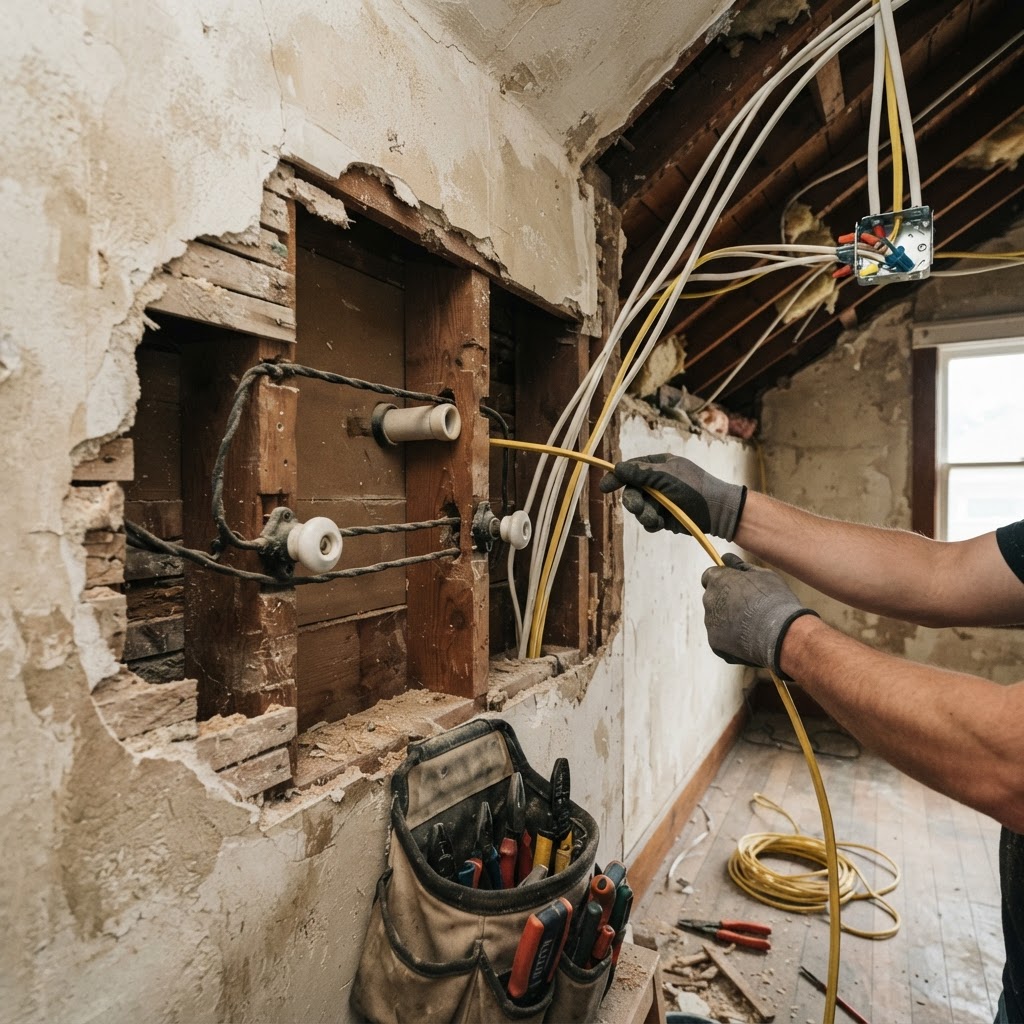
How to Replace Knob-and-Tube Wiring in Older Homes
Knob-and-tube wiring is one of the most common—and dangerous—electrical hazards found in homes built before 1950. Learn what replacing it involves, why it matters, and how to do it safely and to code.
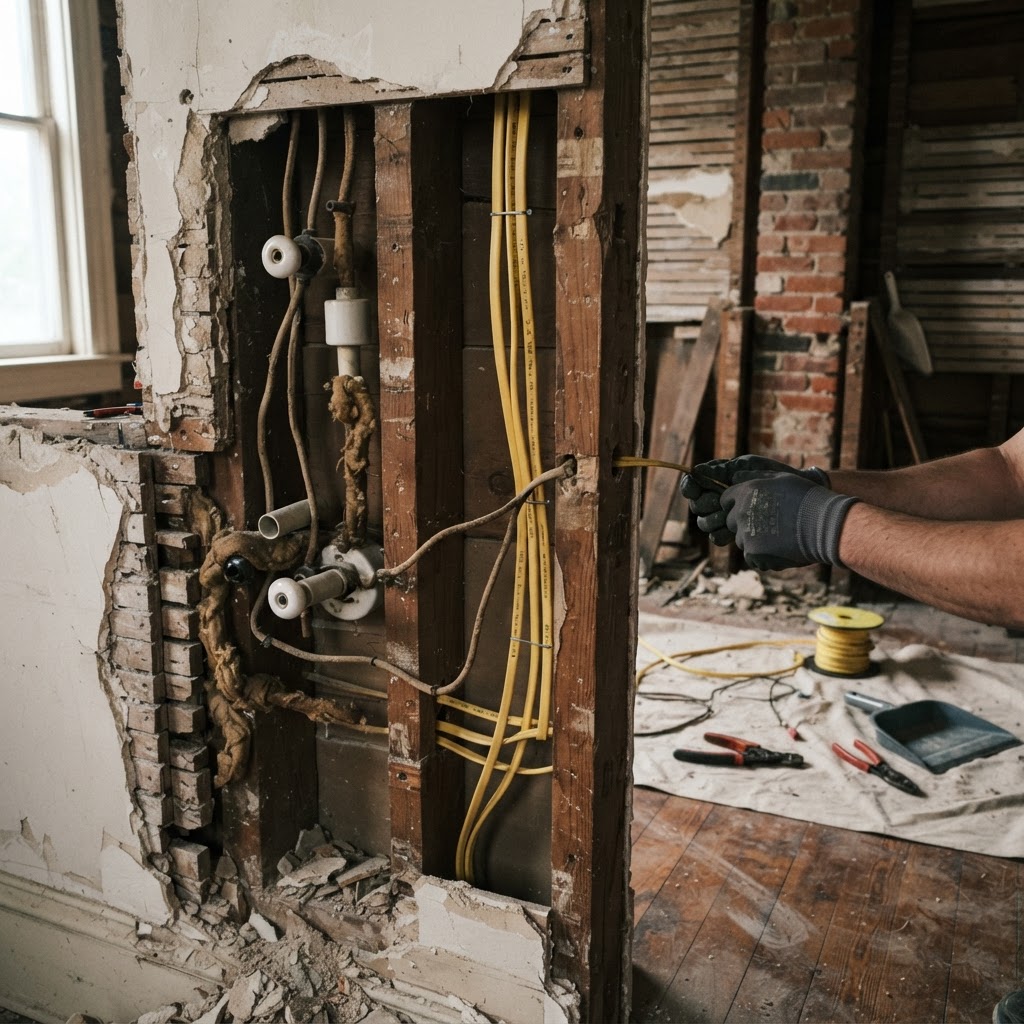
How to Replace Knob-and-Tube Wiring in Older Homes
Knob-and-tube wiring is one of the most common and dangerous electrical hazards found in homes built before 1950. Learn why replacing it is essential and how to approach the project safely and effectively.
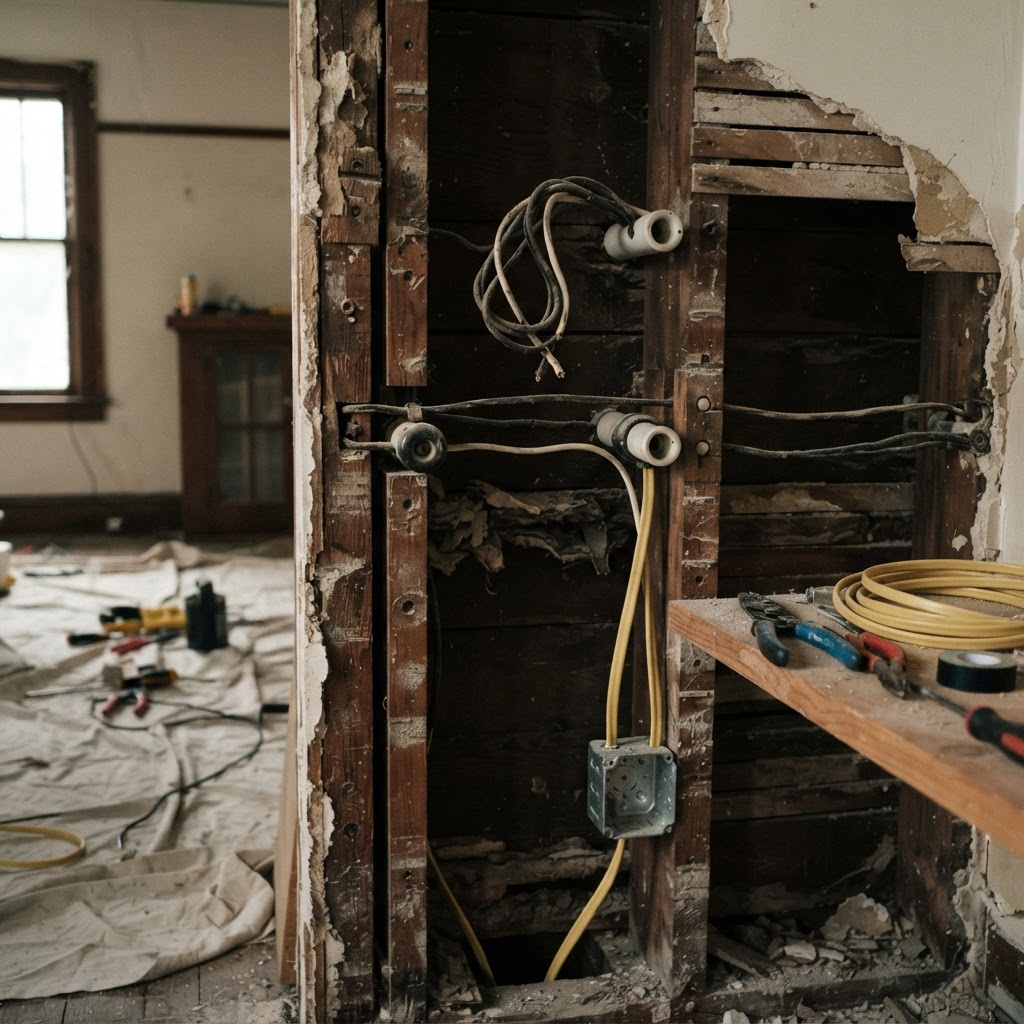
How to Replace Knob-and-Tube Wiring Safely and Smartly
Knob-and-tube wiring is one of the most common and dangerous electrical hazards in older homes. Learn what it involves, why it must go, and how to plan a safe, code-compliant replacement.
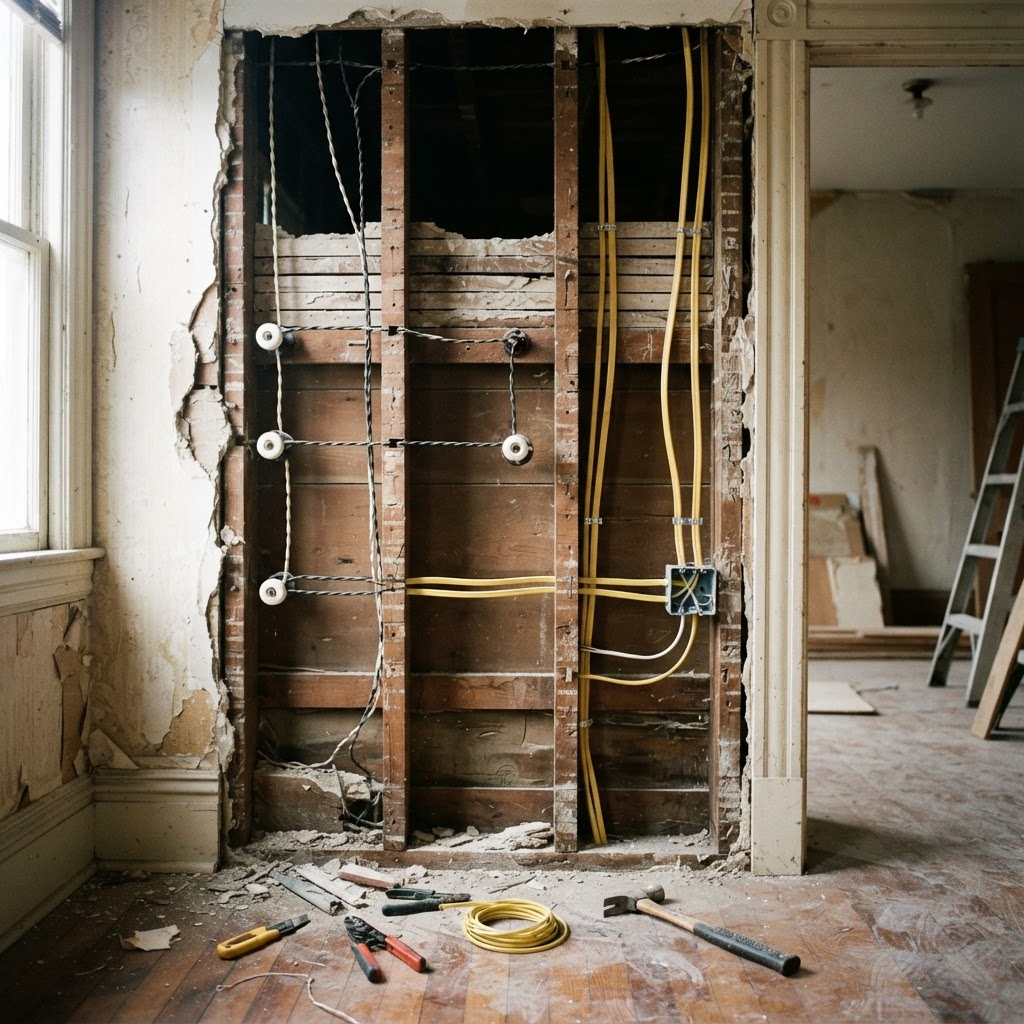
How to Replace Knob-and-Tube Wiring Safely and Effectively
Knob-and-tube wiring is one of the most common electrical hazards found in homes built before 1950. Learn why replacing it is essential and how to approach the project the right way.