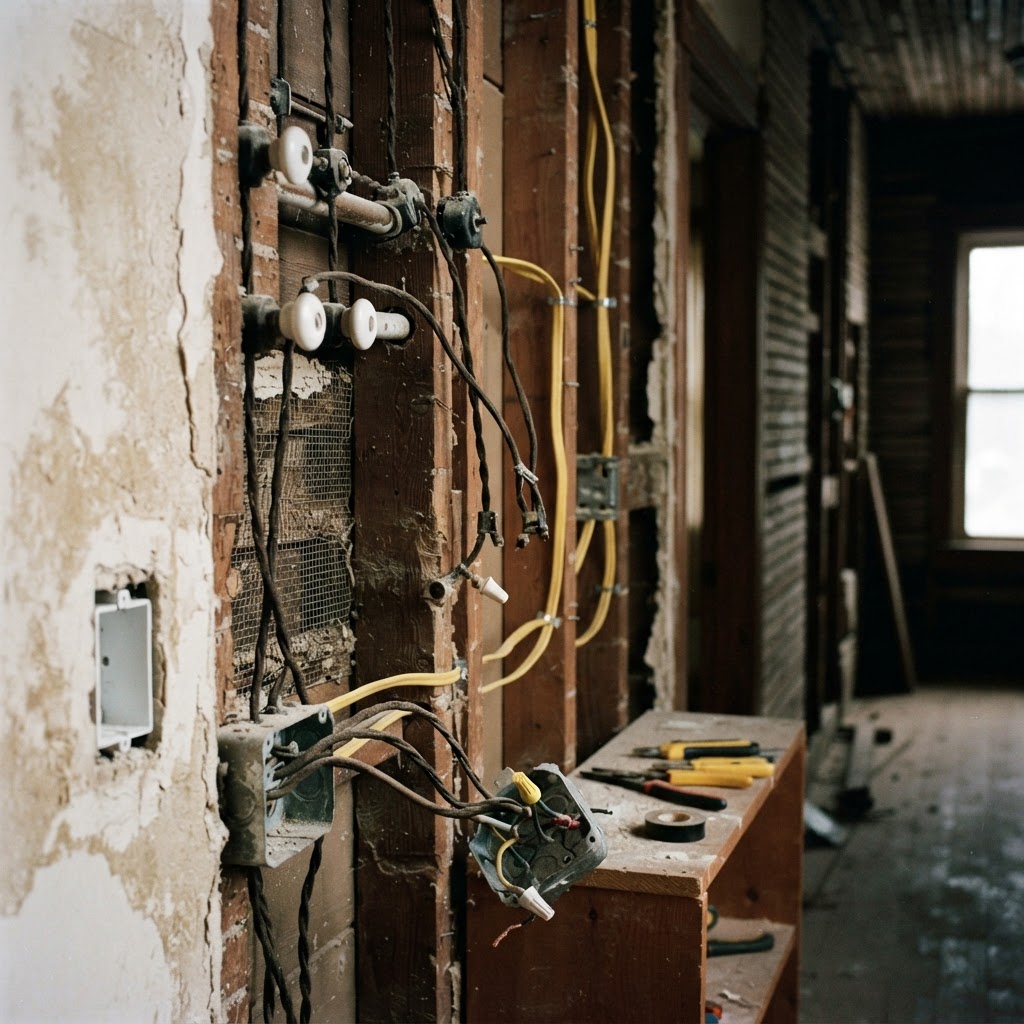
How to Safely Replace Knob-and-Tube Wiring in Older Homes
Knob-and-tube wiring is one of the most common and serious hazards lurking in pre-1950s homes. Learn what's involved in replacing it safely, what to expect from contractors, and how to protect your home and insurance coverage.
What Is Knob-and-Tube Wiring and Why Does It Matter?
Knob-and-tube (K&T) wiring was the standard electrical system installed in American homes from roughly the 1880s through the 1940s. It gets its name from the ceramic knobs that anchor the wires to framing members and the ceramic tubes that protect wires where they pass through wood. If you own a home built before 1950, there's a reasonable chance some K&T wiring is still present — either as the primary system or hidden behind walls that were never fully updated.
The system was actually well-engineered for its era. The open-air installation allowed heat to dissipate from the wires. The problem is that most K&T wiring is now 70 to 100 years old. Insulation becomes brittle, connections loosen, and the system was never designed for the electrical loads modern households demand. A vintage 60-amp service feeding K&T wiring simply cannot safely power today's appliances, HVAC equipment, and electronics.
Perhaps most importantly, K&T wiring has no ground wire. This means it cannot support three-prong outlets, and sensitive electronics and appliances are left unprotected against surges and faults.
The Real Risks of Leaving It in Place
The most serious danger from aging K&T wiring is fire. When insulation cracks or crumbles, bare conductors can arc against wood framing — often inside walls where no one sees it until smoke appears. The Consumer Product Safety Commission has linked deteriorated K&T wiring to thousands of residential fires annually.
Insulation is a compounding problem. Decades of well-meaning energy upgrades have often made things worse. Blowing loose-fill insulation over K&T wiring in an attic — a very common scenario — traps heat around the conductors and dramatically increases fire risk. Many insulation contractors and energy auditors will refuse to insulate around active K&T wiring for exactly this reason.
Homeowners insurance is another major concern. Many insurers either refuse to cover homes with active K&T wiring or charge significantly higher premiums. Some policies are voided if an inspector discovers undisclosed K&T during a claim. If you're buying or selling a pre-1950 home, the presence of K&T wiring will almost certainly surface during the inspection and can derail financing or require immediate remediation.
What Rewiring Actually Involves
Full replacement of knob-and-tube wiring is a significant project, but a skilled electrician can often minimize wall damage using fish-tape techniques, flexible drill bits, and strategic access points. The process typically involves removing the old wiring circuit by circuit, running new NM-B (Romex) cable or conduit through walls and ceilings, and connecting everything to a modern grounded panel.
In plaster-walled homes, some wall and ceiling repair is usually unavoidable. Electricians will often work in tandem with a plaster repair specialist, or homeowners budget for patching and repainting after the electrical work is complete. The scope varies widely by home size and how much of the original K&T is still active versus previously updated.
Expect the project to take two to five days for a typical 1,500–2,500 square foot home. Costs generally range from $8,000 to $20,000 or more depending on your region, the complexity of the home, and whether a panel upgrade is included — which it often should be.
Code Requirements and Contractor Guidance
All rewiring work requires permits and inspection by your local authority having jurisdiction (AHJ). The National Electrical Code (NEC) governs the work, and most municipalities follow it closely. Your electrician must pull the permit — be wary of anyone who suggests skipping this step.
When hiring a contractor, ask specifically about their experience in older homes with plaster walls and balloon framing. Request references from similar projects. Get at least three detailed bids that specify which circuits will be replaced, what panel work is included, and how wall access and repair will be handled.
Before work begins, have your electrician perform an audit to identify any K&T that may have been improperly spliced into or modified over the years — a common issue that creates additional hazards. Document everything for your insurance provider, who may require a certificate of completion from your inspector before updating your policy.
Replacing knob-and-tube wiring is one of the highest-impact safety investments you can make in a historic home. Done properly, it protects your family, preserves the structure, and significantly increases the property's value and insurability.
More Modernization Guides
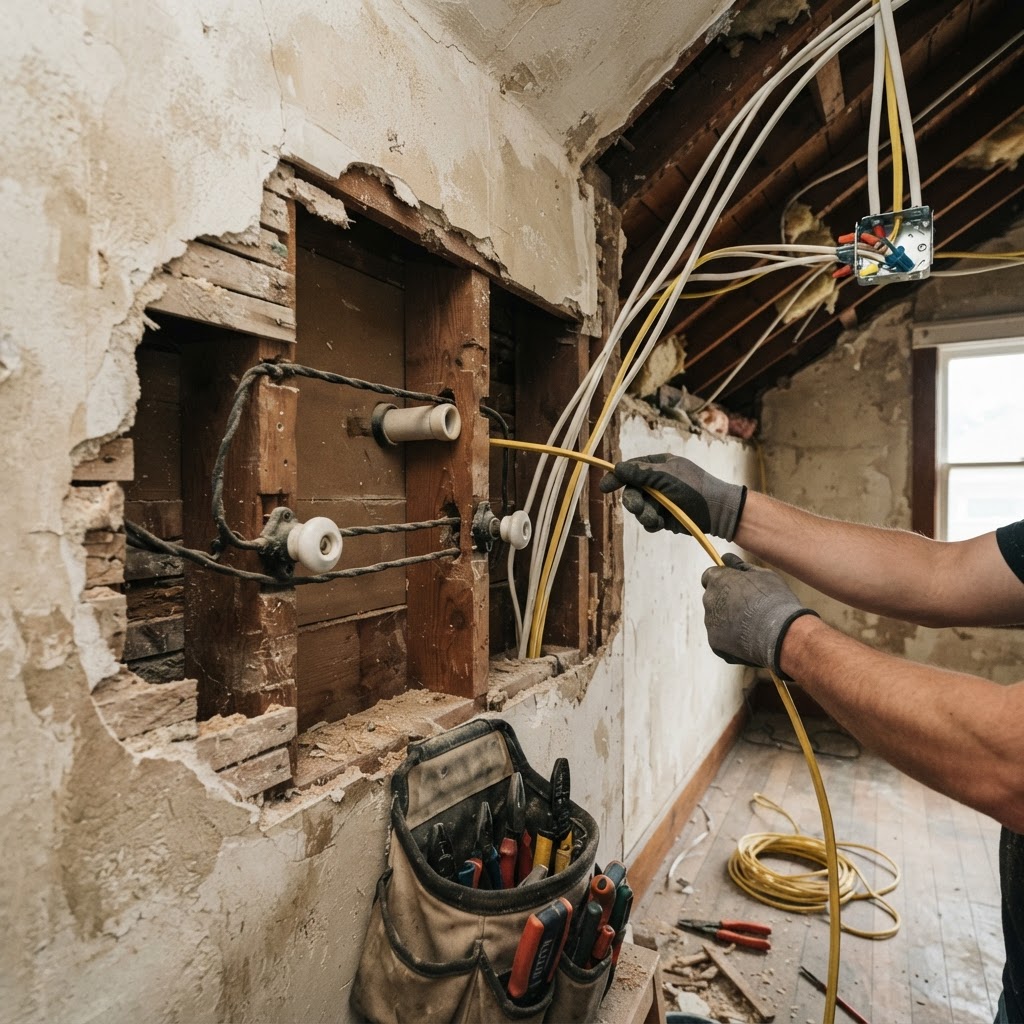
How to Replace Knob-and-Tube Wiring in Older Homes
Knob-and-tube wiring is one of the most common—and dangerous—electrical hazards found in homes built before 1950. Learn what replacing it involves, why it matters, and how to do it safely and to code.
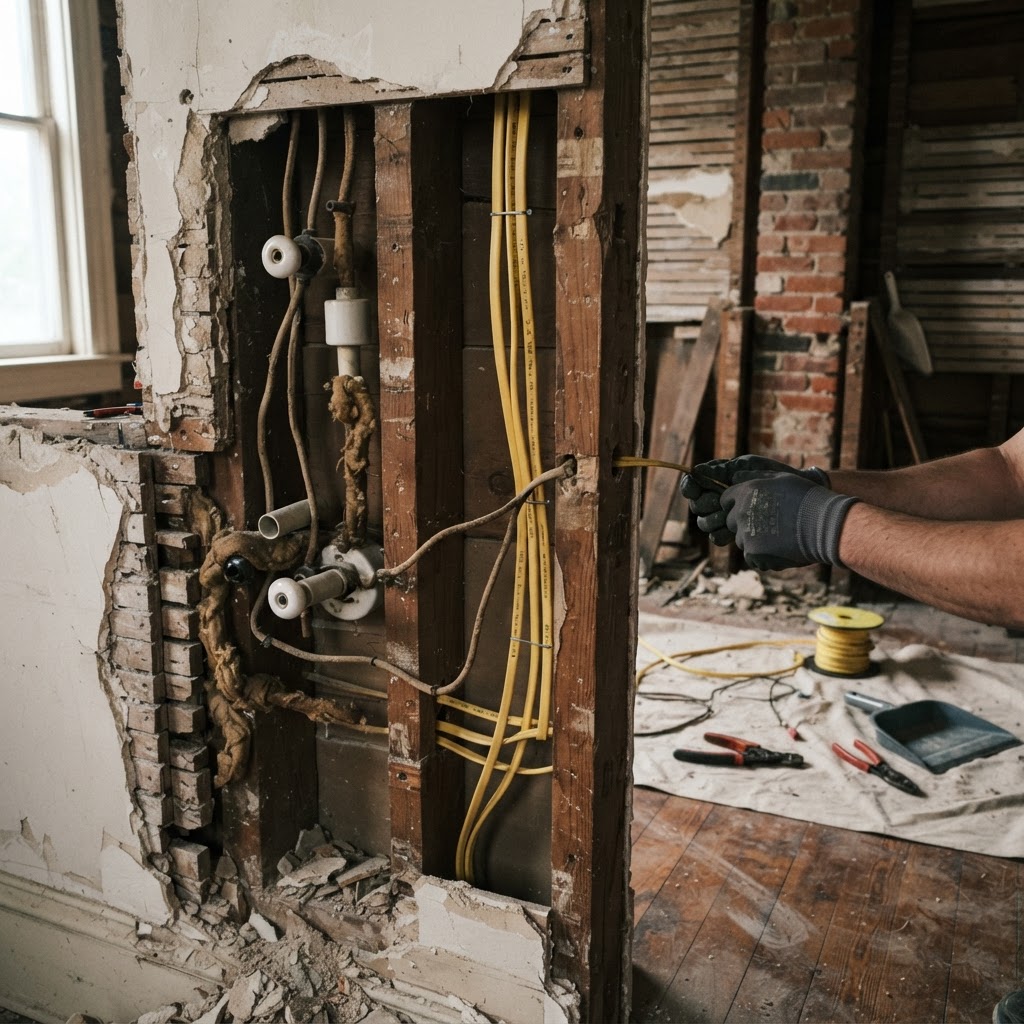
How to Replace Knob-and-Tube Wiring in Older Homes
Knob-and-tube wiring is one of the most common and dangerous electrical hazards found in homes built before 1950. Learn why replacing it is essential and how to approach the project safely and effectively.
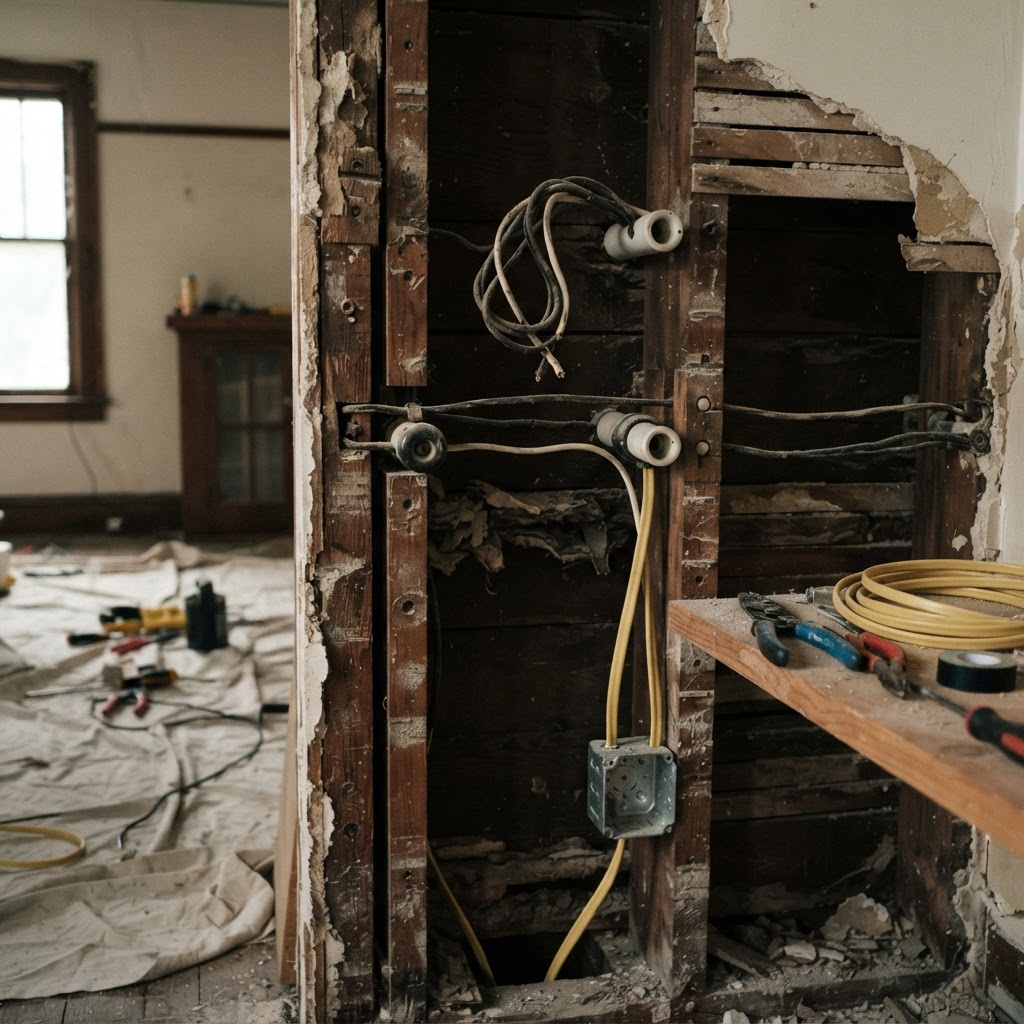
How to Replace Knob-and-Tube Wiring Safely and Smartly
Knob-and-tube wiring is one of the most common and dangerous electrical hazards in older homes. Learn what it involves, why it must go, and how to plan a safe, code-compliant replacement.
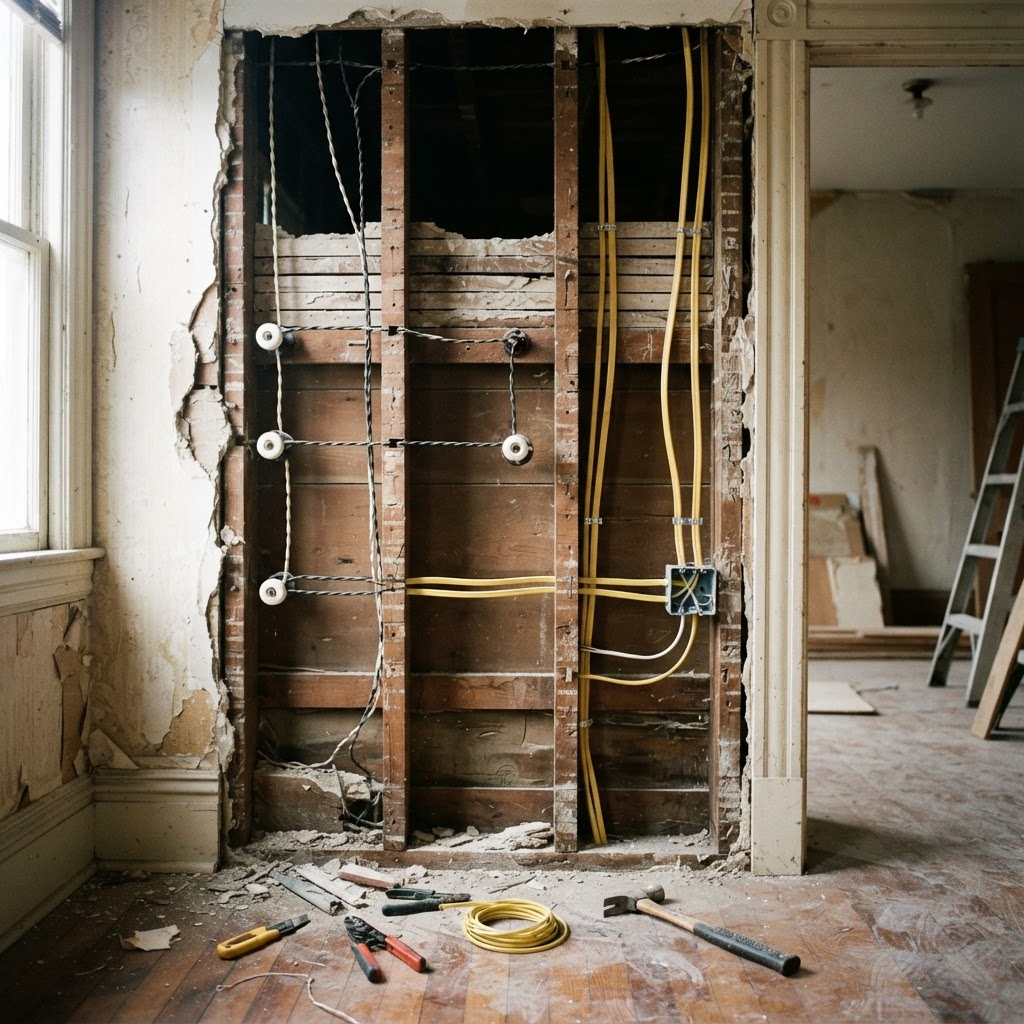
How to Replace Knob-and-Tube Wiring Safely and Effectively
Knob-and-tube wiring is one of the most common electrical hazards found in homes built before 1950. Learn why replacing it is essential and how to approach the project the right way.