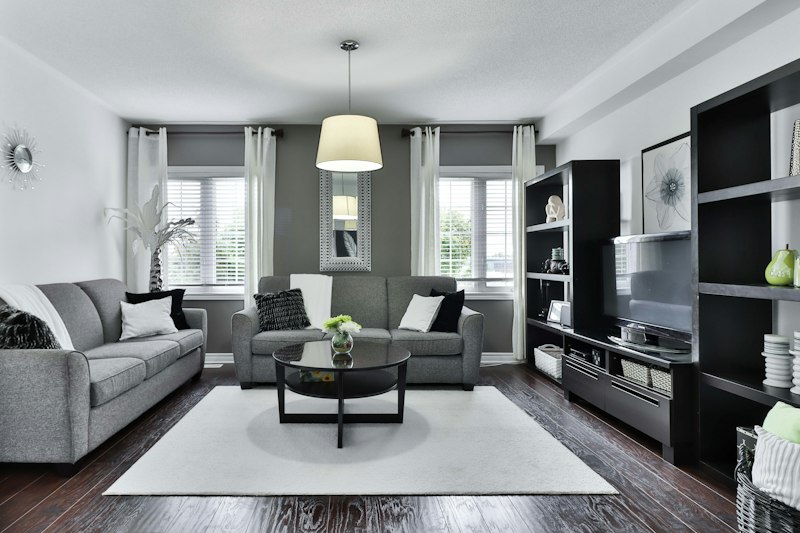
Mastering 2026 Wabi-Sabi Interiors
Discover how to embrace intentional imperfection and organic warmth to transform your living space into a serene sanctuary for 2026.
Embracing Organic Imperfection As we look toward 2026, the obsession with pristine, catalog-perfect interiors is fading in favor of wabi-sabi—a Japanese aesthetic that celebrates the beauty of transience and imperfection. To implement this, shift your focus from mass-produced furniture to pieces that tell a story. Look for materials that age gracefully, such as untreated reclaimed wood, oxidized metals, and unrefined stone. By allowing your home to show signs of life, you create a space that feels grounded, authentic, and deeply personal. Start by selecting one focal point in your room, such as a hand-carved coffee table or a vintage artisanal stool, to set the tone for a slower, more intentional living environment. Materiality and Texture Layering The sensory experience of a home is paramount to the wabi-sabi philosophy. In 2026, successful renovations will rely heavily on tactile diversity to build interest without clutter. Avoid synthetic finishes and high-gloss surfaces; instead, opt for lime-wash paints, raw linen textiles, and hand-thrown ceramic accessories. The goal is to provide a soft, matte backdrop that highlights the natural variations in your home’s architecture. To achieve this, try layering rugs made from natural fibers like jute or wool over concrete or wide-plank hardwood floors to create a grounding sensation underfoot. Curating the Negative Space A common mistake in interior design is the tendency to fill every corner, but wabi-sabi demands a deliberate use of negative space. In 2026, minimalist restraint will become the ultimate luxury. Evaluate your current layout and remove items that do not serve a functional purpose or spark genuine contentment. Clear surfaces are essential for maintaining mental clarity, so focus on built-in storage solutions that hide daily clutter while keeping essential, beautiful items on display. Keep your walls relatively sparse, choosing one significant piece of wall art or a singular, sculptural plant rather than a collection of minor decorations. Lighting for Soulful Ambience Harsh, overhead lighting is the enemy of a wabi-sabi home. By 2026, the trend will shift toward low-level, layered lighting that mimics the shifting shadows of the sun. Invest in dimmable light sources with warm color temperatures, such as paper lanterns, recessed wall sconces, or brass floor lamps. These fixtures should act as sculptural elements themselves, providing a soft glow that accentuates the texture of your walls. By diffusing light, you create intimate zones that encourage relaxation. Always aim for at least three different light sources in every room to ensure the atmosphere feels cozy and welcoming as the evening settles in. By prioritizing these elements, you will cultivate a home that feels like a quiet, timeless retreat from the fast-paced world outside.
More Trends
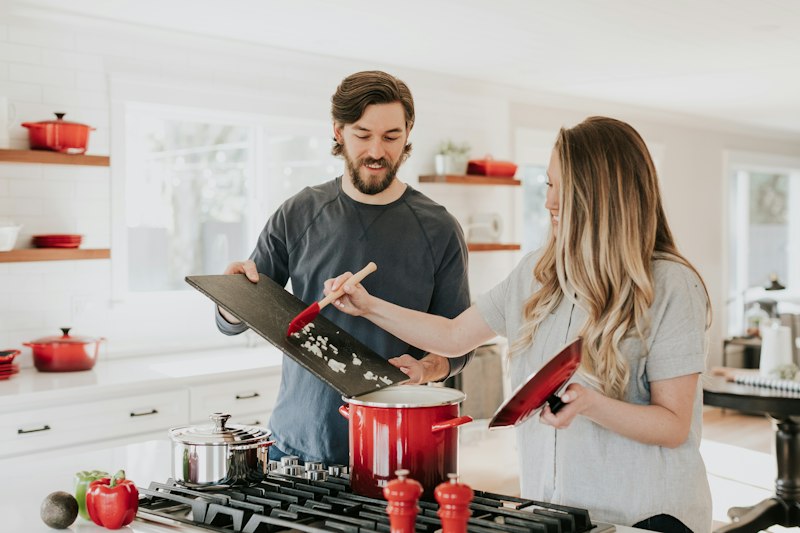
Modular Furniture: 2026 Renovation Guide
Discover how modular furniture is redefining flexible living spaces in 2026 through smart, scalable, and sustainable home design.
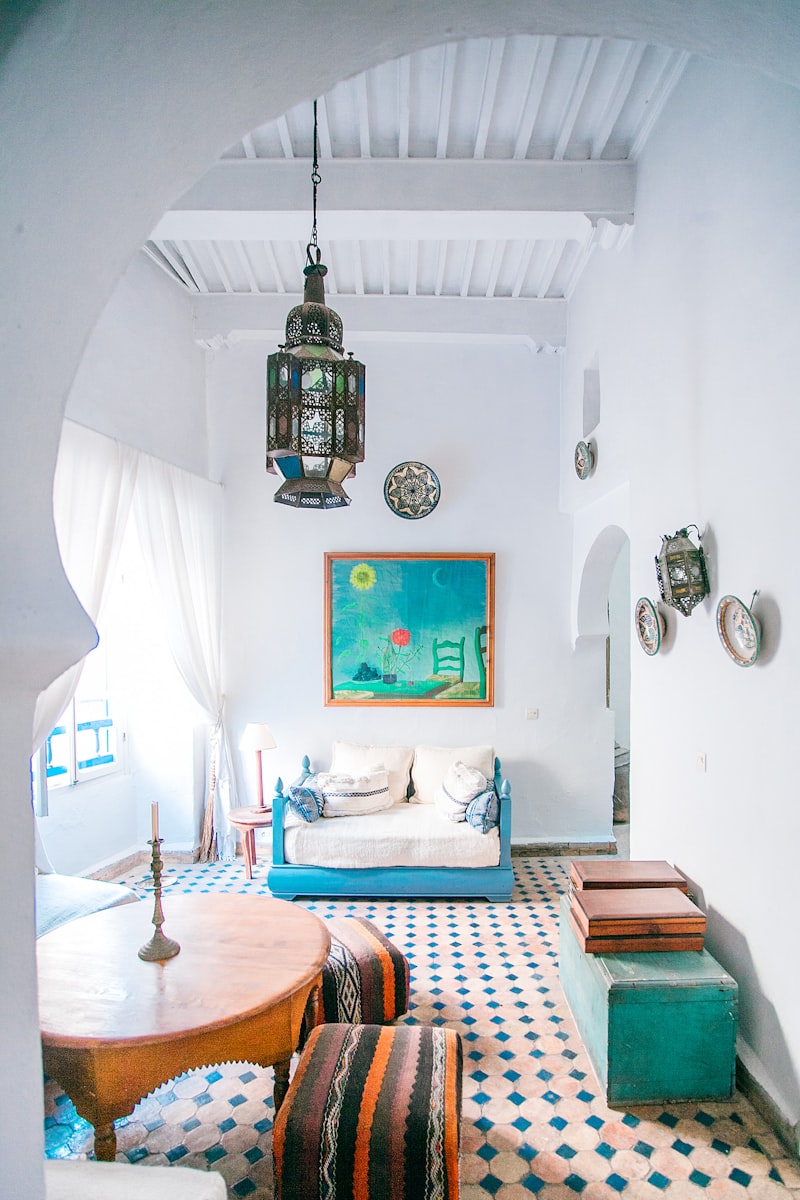
Modernizing With Black Accents
Discover why black windows and doors are the defining architectural statement for high-end home renovations in 2026.
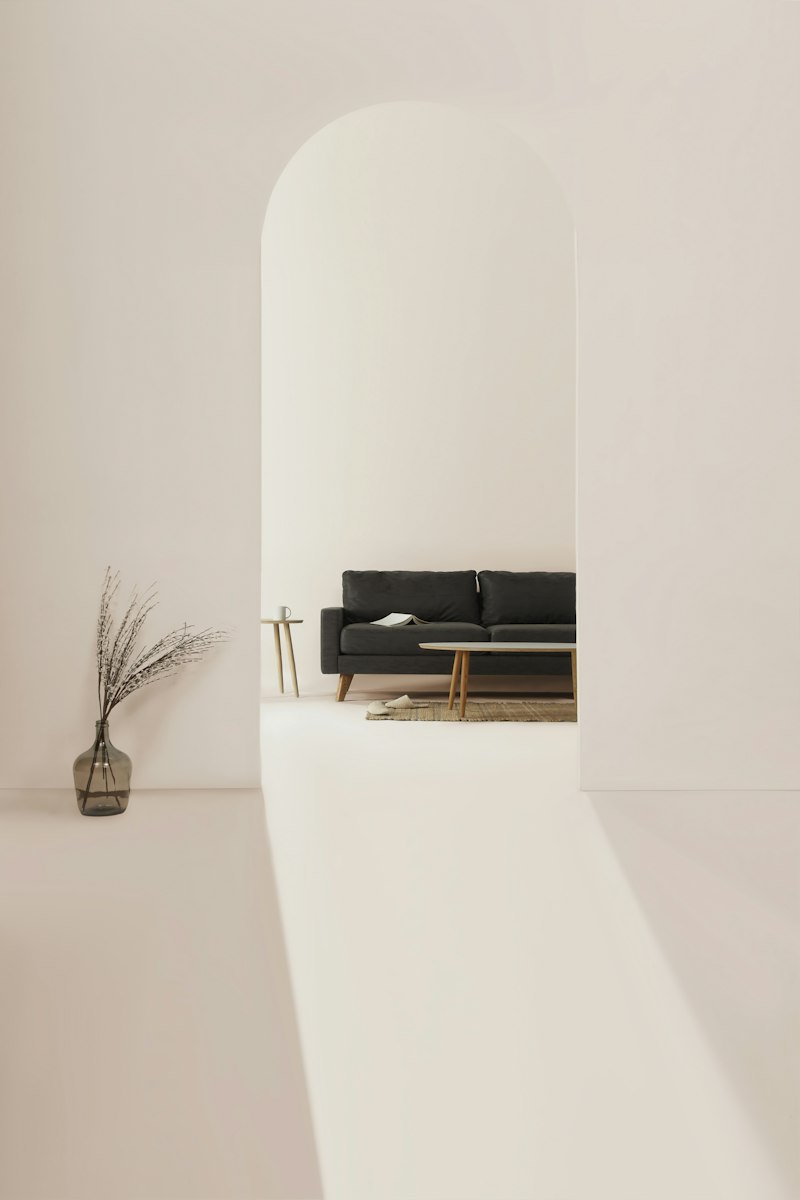
Black Accents: 2026 Renovation Guide
Discover how black windows and doors are redefining modern architecture and learn how to incorporate this bold aesthetic into your home renovation.
Biophilic Living: 2026 Renovation Guide
Discover how to integrate nature-inspired architecture into your home to boost wellness and aesthetic appeal in 2026.