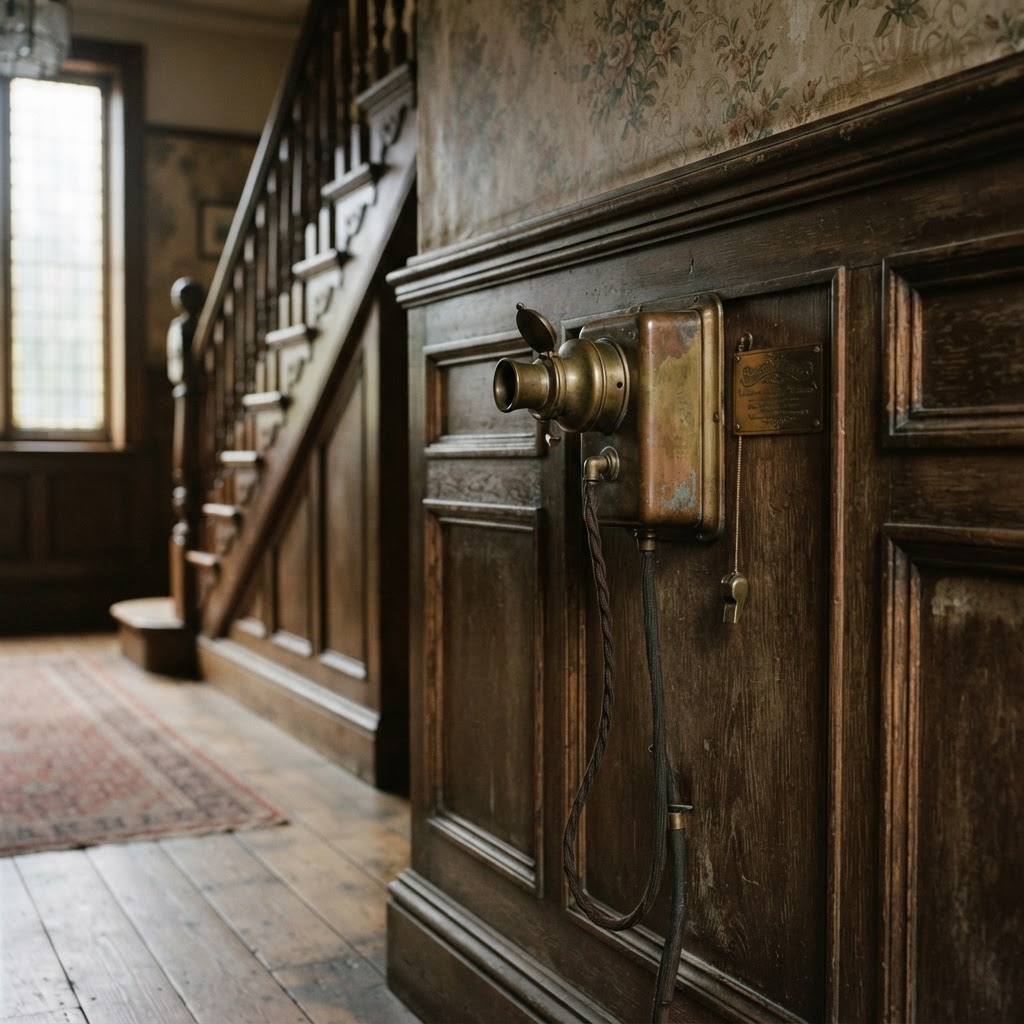
Speaking Tubes: The Victorian Intercom Hidden in Your Walls
Speaking tubes were the original home intercom system, letting residents of grand Victorian and Edwardian homes communicate across floors without raising their voices. Discover the history, function, and modern potential of this fascinating architectural relic.
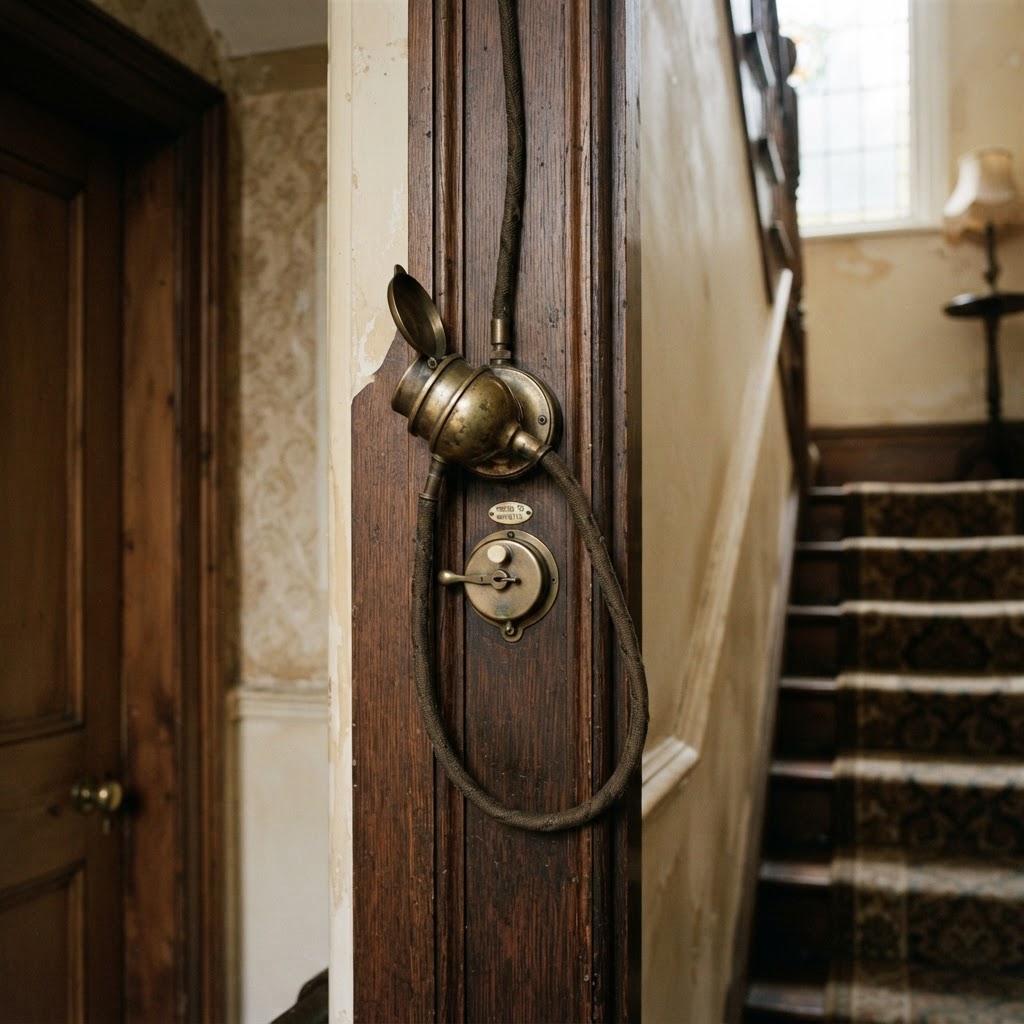
If you've ever poked around the walls of an older home and found a small brass mouthpiece fitted into the plaster — perhaps near a fireplace surround or beside a kitchen doorframe — you may have stumbled across one of the most elegant communication technologies of the 19th century: the speaking tube. Long before intercoms, smartphones, or even electrical doorbells, speaking tubes were the backbone of household communication in well-appointed Victorian and Edwardian homes.
What Exactly Is a Speaking Tube?
A speaking tube is exactly what it sounds like: a narrow pipe, typically made of tin or lead and no more than an inch in diameter, routed through walls and floors to connect two or more rooms. At each end sat a fitted mouthpiece and earpiece, often finished in polished brass or nickel to match other period hardware. To use it, you'd blow into the tube to produce a whistle at the other end, alerting whoever was there, then speak clearly into the opening and wait for a reply.
The system required no electricity, no batteries, and virtually no maintenance. Sound traveled surprisingly well through the sealed metal pipe, making conversation across three or four floors entirely practical. In their heyday — roughly the 1850s through the 1920s — speaking tubes were found not just in homes but in ships, hospitals, factories, and government buildings.
Why Did Victorian Homes Need Them?
To understand speaking tubes, you have to understand the scale and social structure of wealthy Victorian households. A prosperous family might occupy four or five stories of a townhouse, with servants quartered in the basement or attic. The kitchen, scullery, butler's pantry, and servants' hall were entirely separate worlds from the drawing rooms and bedrooms above. Shouting between floors was undignified; sending a servant up and down the stairs for every minor request was inefficient.
Speaking tubes solved both problems. A lady of the house could summon the cook from her bedroom, relay a dinner order directly to the kitchen, or instruct the butler in the front hall — all without leaving her chair. In larger estates, the tube network might fan out from a central hub in the housekeeper's room, connecting a dozen different stations throughout the property. The system reinforced the household hierarchy while dramatically improving day-to-day efficiency.
What Eventually Replaced Them?
The speaking tube's decline was swift once electrical communication became affordable. Telephone exchanges began appearing in upscale homes in the 1890s, and electric servant-call bell systems — which could signal specific rooms with the press of a button — were already common by that decade. By the 1920s, the intercom telephone had largely rendered speaking tubes obsolete in new construction.
The rise of smaller households also played a role. As domestic service shrank after World War I and houses themselves became more compact, the need for long-distance in-house communication simply faded. Modern homes rely on wireless intercoms, smart home systems, or simply a shout up the stairs.
What Should You Do If Your Home Still Has One?
Finding an intact speaking tube system in an older home is a genuine architectural treasure. Before you do anything, resist the urge to cap it off or tear it out. First, assess the condition of the pipes — in most cases, the metal tubing is entirely passive and poses no hazard, though older lead-lined pipes should be noted and handled carefully during any renovation work.
If the mouthpieces and fittings are still present, consider having them cleaned and preserved by a hardware restoration specialist. Polished brass speaking tube fittings are highly collectible, and a functioning tube system — even as a novelty — adds extraordinary character and conversation value to a period home.
Some creative homeowners have repurposed speaking tube openings as decorative display niches, while others have used the existing pipe routes to thread modern low-voltage wiring for intercoms or speaker systems, minimizing new wall damage in the process.
From a home valuation and historic preservation standpoint, intact speaking tubes are a mark of authenticity that period-home buyers actively seek out. Document them with photographs, mention them in any listing, and if you're pursuing historic tax credits or a local landmark designation, include them in your architectural inventory.
Speaking tubes are a quiet reminder that good design solves real problems — and that sometimes, the old ways were more ingenious than we give them credit for.
More Historic Features
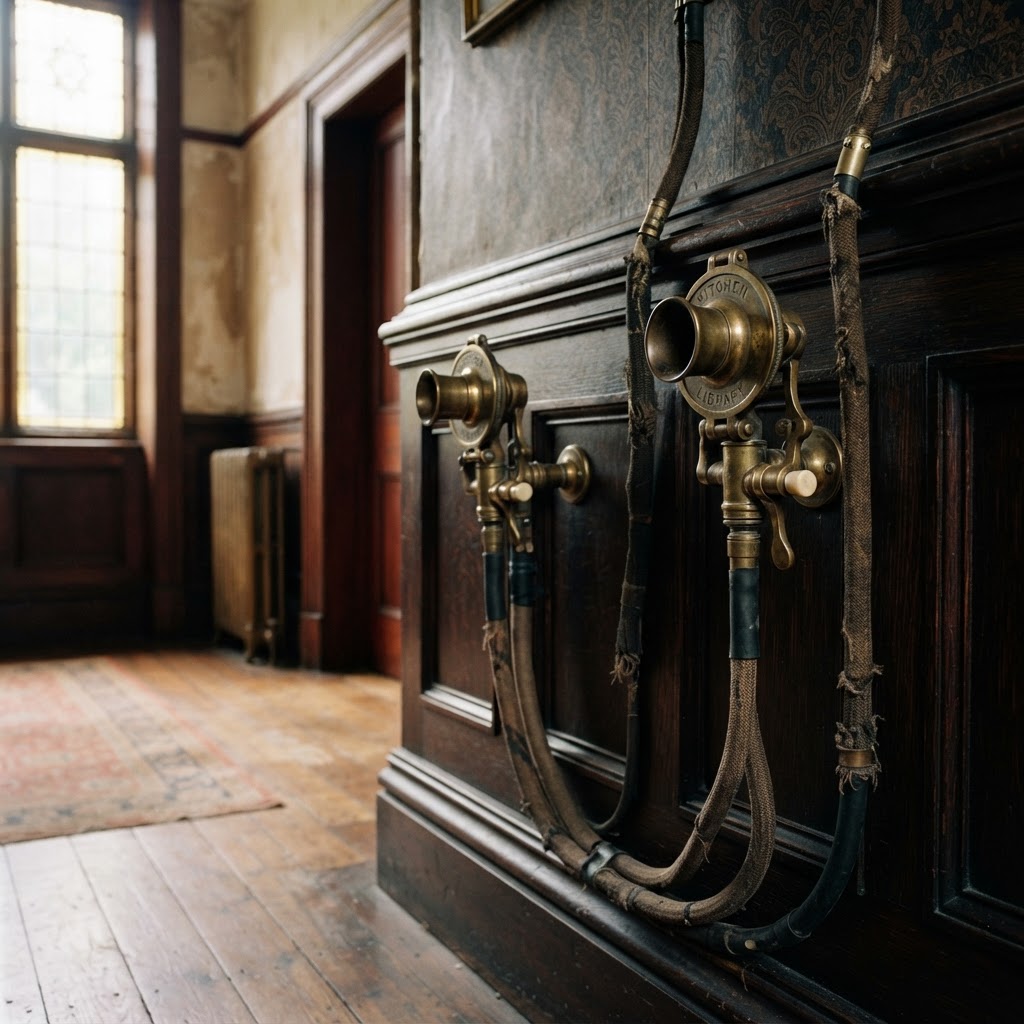
Speaking Tubes: The Victorian Smart Home Intercom System
Before intercoms and smartphones, speaking tubes let households communicate across multiple floors instantly. Discover the fascinating history of this forgotten Victorian feature and what to do if your older home still has one.
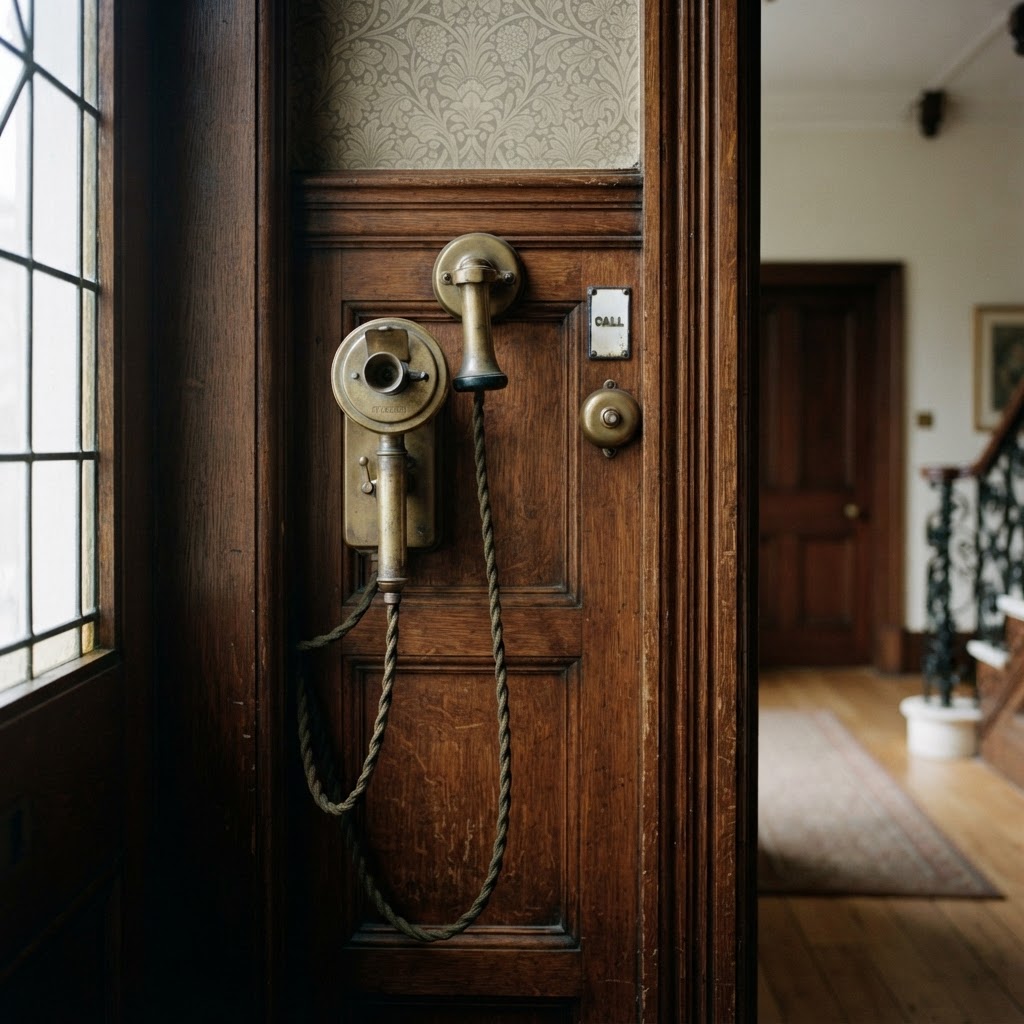
Speaking Tubes: The Victorian Intercom System in Old Homes
Speaking tubes were the original whole-home communication system, letting Victorian homeowners talk between floors without raising their voice. Discover the history, purpose, and modern potential of this fascinating architectural relic.
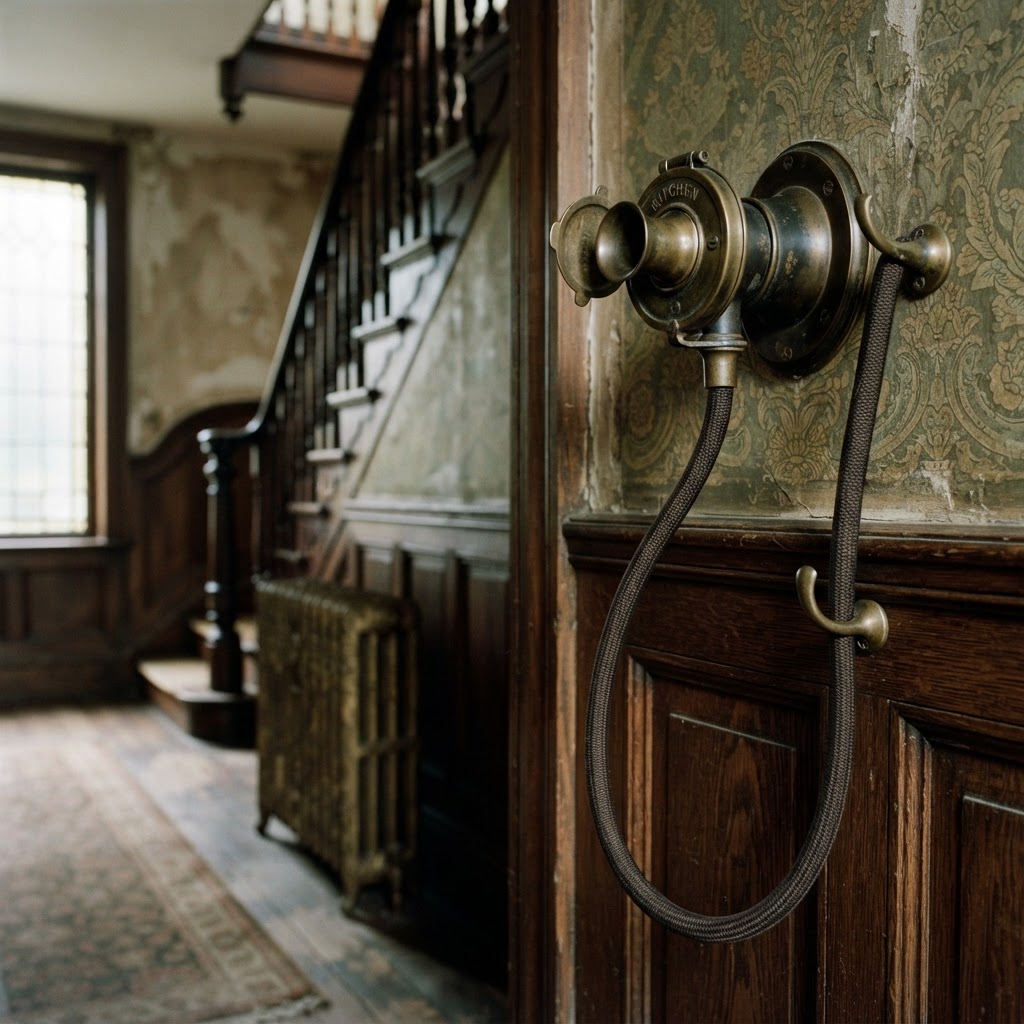
Speaking Tubes: The Victorian Smart Home Intercom System
Before intercoms and smartphones, Victorian homes used speaking tubes to communicate between floors. Discover the history, function, and modern potential of this fascinating architectural relic.
Speaking Tubes: The Forgotten Intercom System in Older Homes
Before intercoms and smartphones, speaking tubes let households communicate across multiple floors instantly. Discover the history, function, and modern potential of this fascinating Victorian-era feature.