Speaking Tubes: The Victorian Smart Home Intercom System
Before intercoms and smartphones, speaking tubes let households communicate across multiple floors instantly. Discover the fascinating history of this forgotten Victorian feature and what to do if your older home still has one.
What Exactly Is a Speaking Tube?
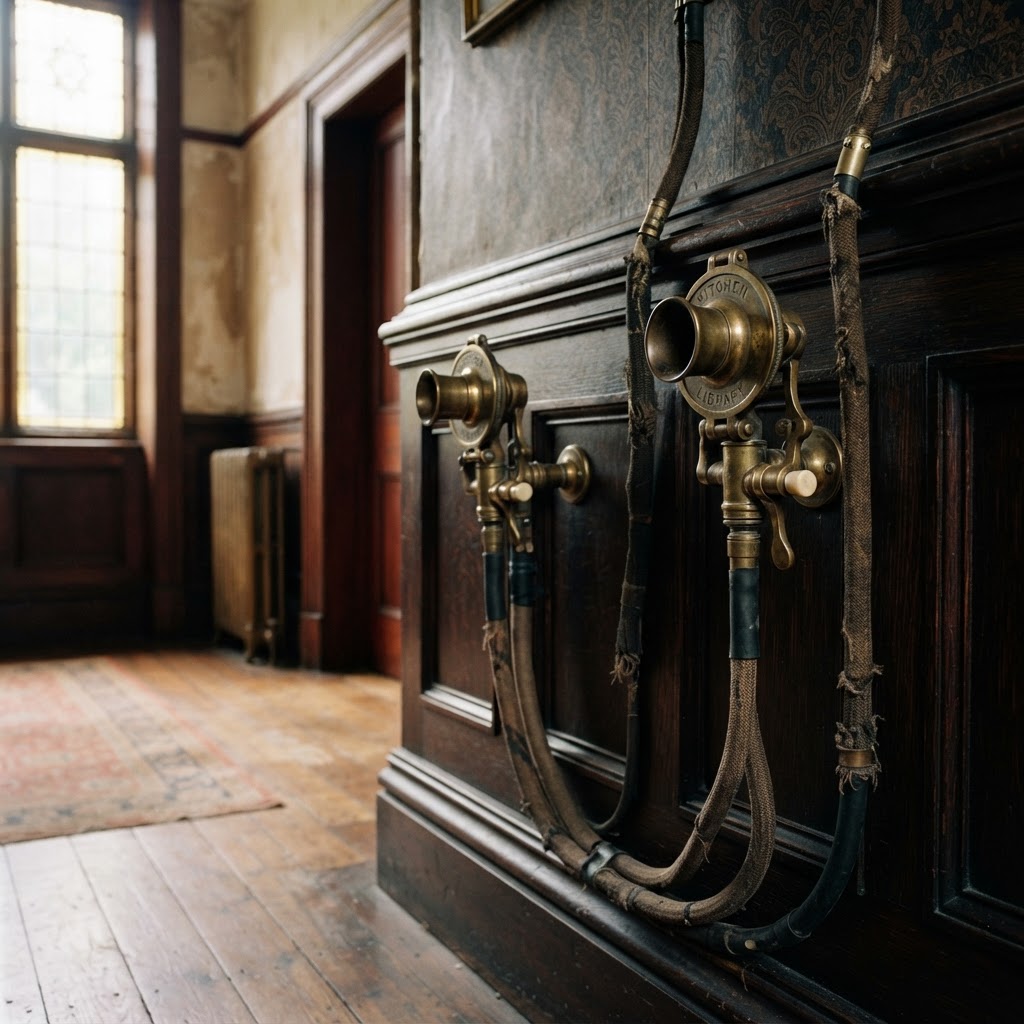
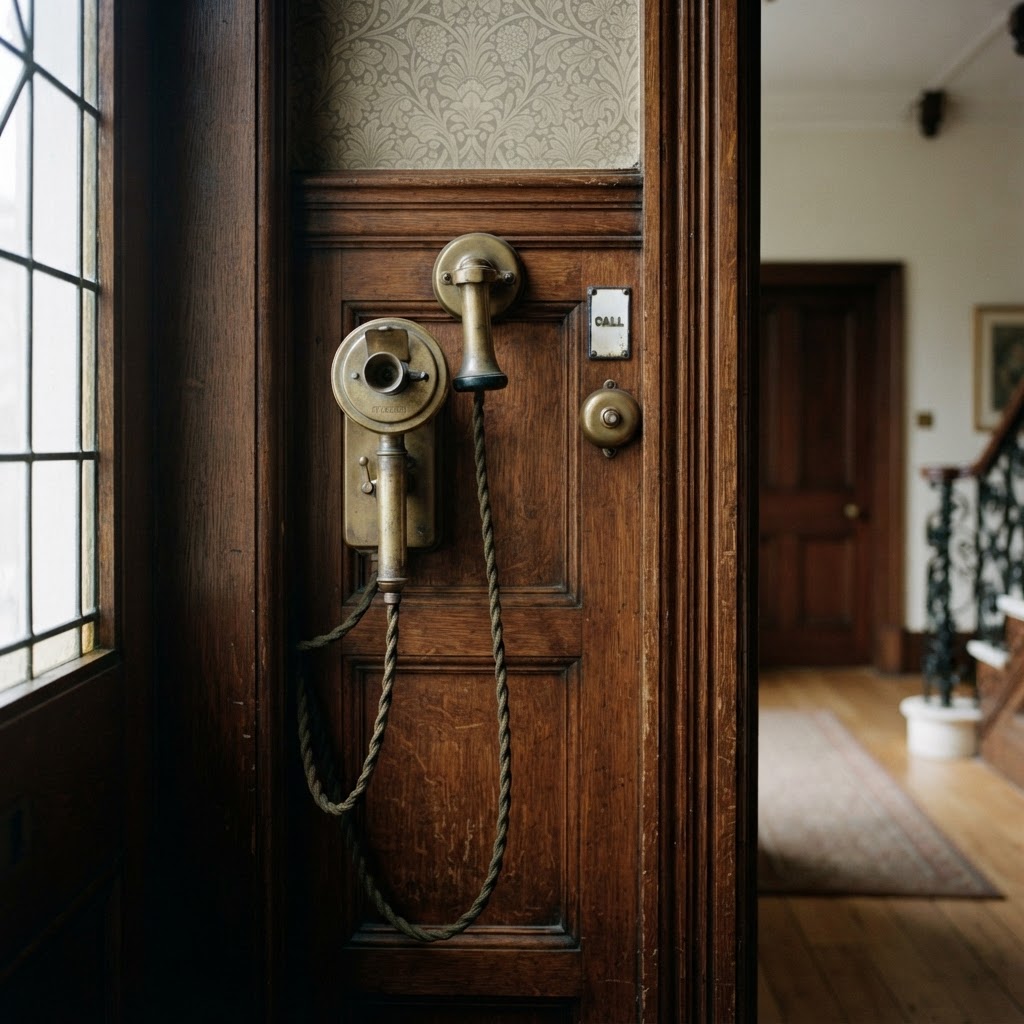
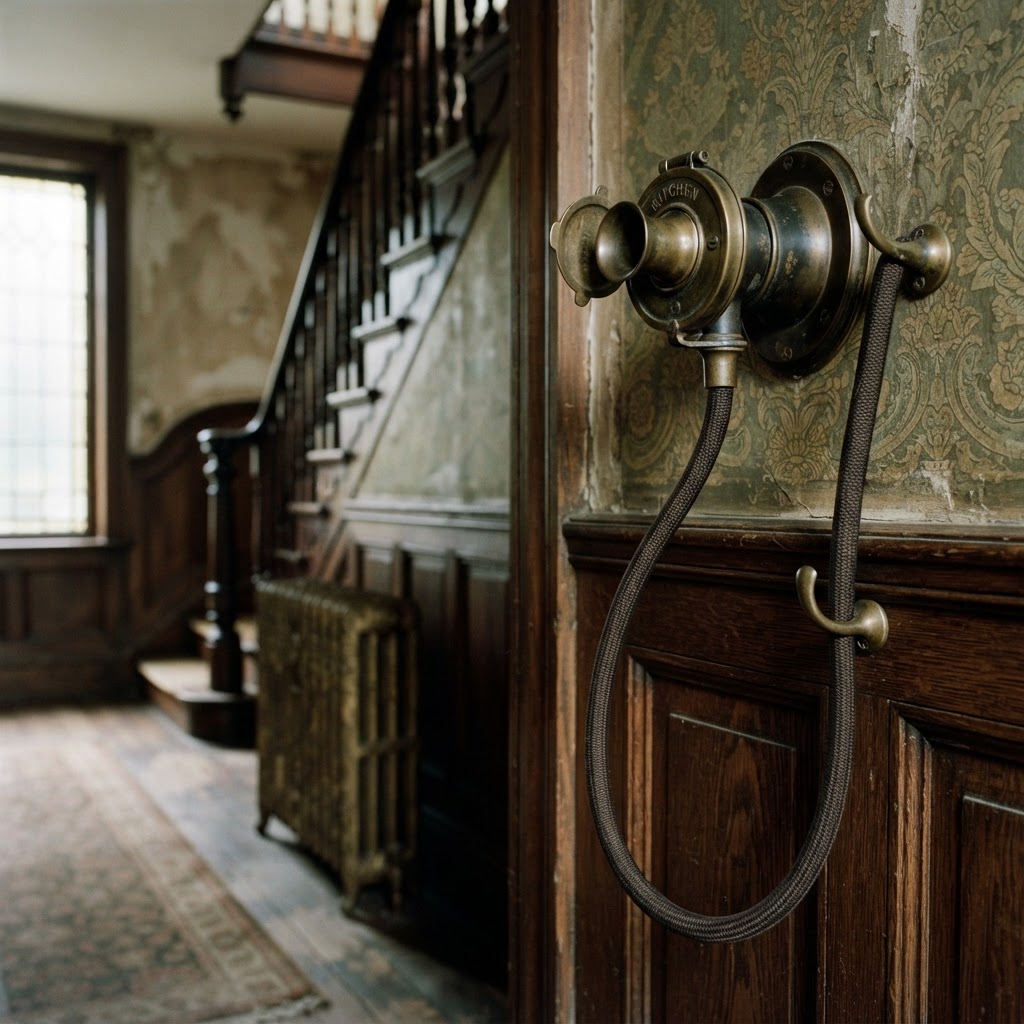
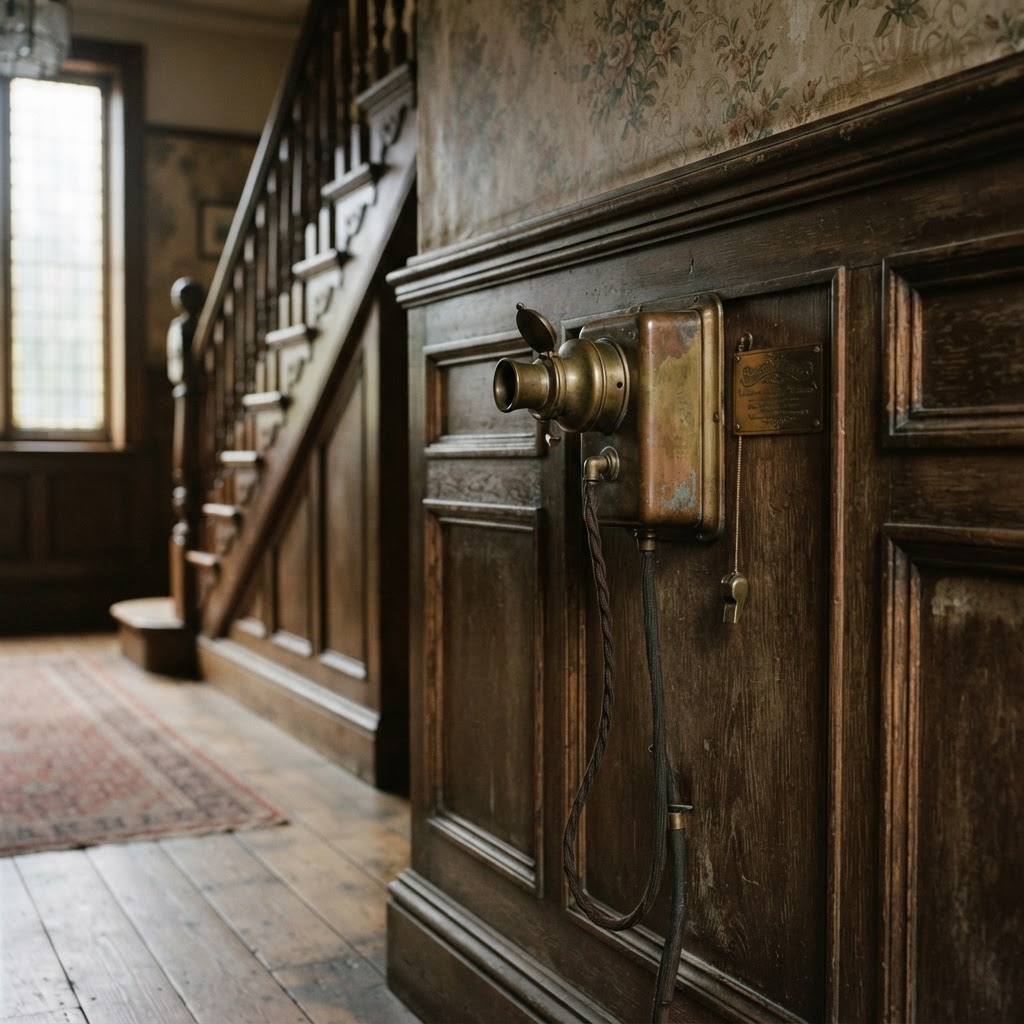
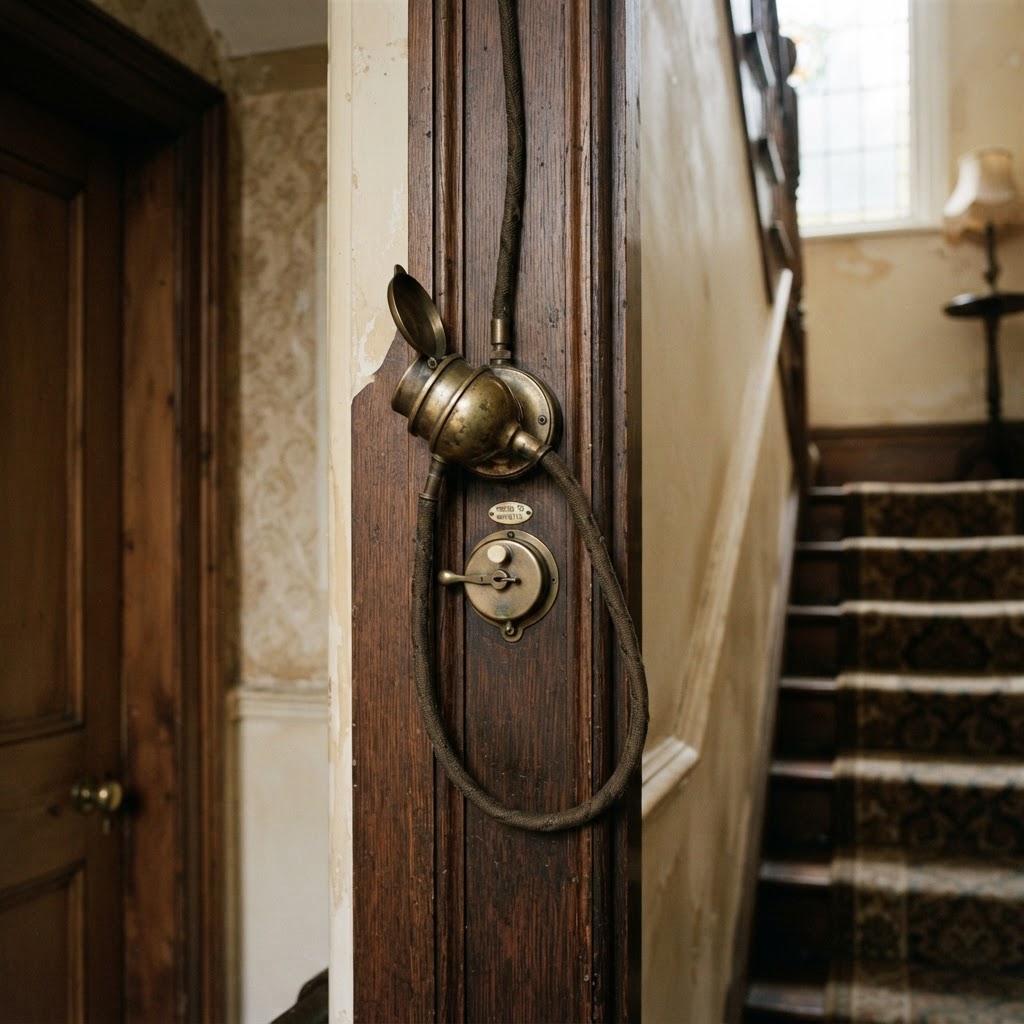
If you've ever explored an older Victorian or Edwardian home and noticed a small brass fixture mounted on a wall — perhaps with a whistle or mouthpiece attached — you may have stumbled upon a speaking tube. These were narrow pipes, typically made of tin or lead, that ran through the walls and floors of a home to connect different rooms. By speaking directly into the mouthpiece, your voice would travel through the tube and emerge clearly on the other end, sometimes dozens of feet away.
Speaking tubes were remarkably low-tech in concept but highly effective in practice. The physics are simple: sound waves travel efficiently through enclosed cylindrical pipes, allowing voices to carry without any electrical components whatsoever. Many systems included a small whistle or bell at each end, so the sender could blow into the tube to alert the recipient before beginning a conversation.
The Historical Purpose and the Era They Served
Speaking tubes were most commonly installed in homes built between roughly 1850 and 1920, during the height of Victorian and Edwardian domestic architecture. They were particularly associated with upper-middle-class and wealthy households that employed domestic servants. The primary function was to allow the lady or master of the house to communicate with the kitchen, butler's pantry, or servant quarters without having to physically descend the stairs or raise their voice.
In larger homes, an elaborate network of tubes might connect the main bedroom to the kitchen, the drawing room to the servants' hall, or the nursery to the housekeeper's room. Each terminus would be labeled with a small engraved plate indicating which room it connected to. The system was practical, instantaneous, and required zero ongoing cost once installed — a significant advantage in an era before electricity was reliably available in private homes.
Speaking tubes also appeared in commercial and institutional settings. Ships used them to connect the bridge to the engine room well into the twentieth century. Hospitals, office buildings, and even early department stores installed them to coordinate staff across multiple floors. They were the intercom system of their day, and they worked surprisingly well.
Why Older Homes Had Them — and What Replaced Them
The social structure of the Victorian household made speaking tubes not just convenient but practically necessary. Managing a large home with a full domestic staff required constant communication, and the rigid class hierarchy of the era meant that physically walking to the kitchen to speak with the cook was considered beneath many homeowners. Speaking tubes preserved decorum while improving efficiency.
As electricity became widespread in the early twentieth century, the electric servant call bell system began to replace speaking tubes for summoning staff. Then, as domestic service declined dramatically after World War I and II, the entire communication infrastructure of the grand household became redundant. Electric intercoms arrived in the mid-twentieth century, offering two-way voice communication with far greater convenience. By the 1930s and 1940s, speaking tubes were largely being plastered over or simply abandoned in place.
What Homeowners Should Know If Their Home Still Has One
Finding an intact speaking tube system in an older home is a genuine architectural treasure. Before you decide what to do with it, have it inspected carefully. Older tubes were sometimes made from lead pipe, which presents obvious concerns if the tube is cracked or deteriorating. A qualified contractor or historic preservation specialist can assess the material and condition safely.
If the tubes are made of tin or brass and are structurally sound, restoration is absolutely possible and increasingly popular among historic home enthusiasts. Replacement mouthpieces and whistle fittings can be sourced from specialty suppliers, and a functioning speaking tube is a conversation-starting feature that adds undeniable character to a period home. Some homeowners have even had new speaking tube systems installed as a charming, electricity-free alternative to modern intercoms.
If restoration isn't feasible, document the system thoroughly with photographs before any renovation work removes it. Speaking tubes are a tangible connection to the daily domestic life of the past, and their story deserves to be preserved even when the pipes themselves cannot be. For buyers of Victorian and Edwardian homes, spotting original speaking tube fixtures is a sign that many other period details may still be waiting to be discovered.
More Historic Features
Speaking Tubes: The Victorian Intercom System in Old Homes
Speaking tubes were the original whole-home communication system, letting Victorian homeowners talk between floors without raising their voice. Discover the history, purpose, and modern potential of this fascinating architectural relic.
Speaking Tubes: The Victorian Smart Home Intercom System
Before intercoms and smartphones, Victorian homes used speaking tubes to communicate between floors. Discover the history, function, and modern potential of this fascinating architectural relic.
Speaking Tubes: The Victorian Intercom Hidden in Your Walls
Speaking tubes were the original home intercom system, letting residents of grand Victorian and Edwardian homes communicate across floors without raising their voices. Discover the history, function, and modern potential of this fascinating architectural relic.
Speaking Tubes: The Forgotten Intercom System in Older Homes
Before intercoms and smartphones, speaking tubes let households communicate across multiple floors instantly. Discover the history, function, and modern potential of this fascinating Victorian-era feature.