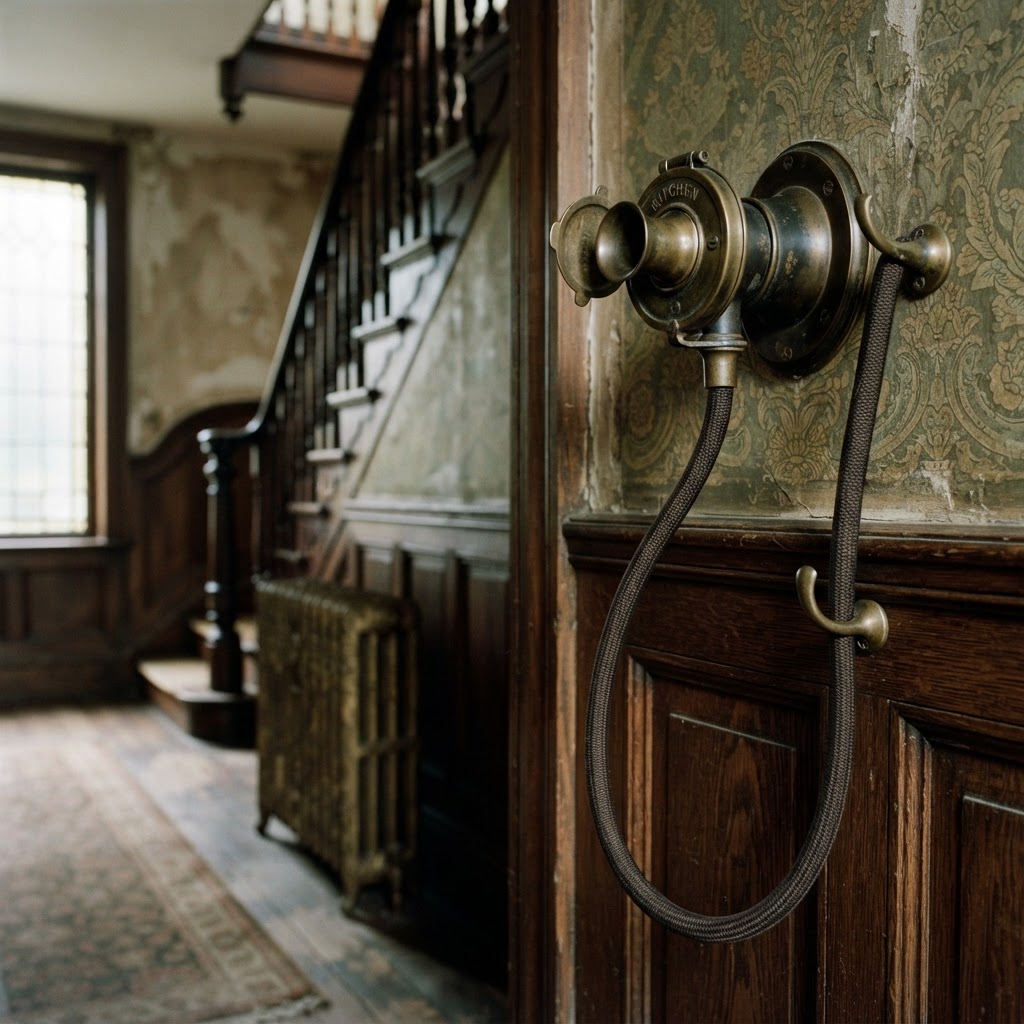
Speaking Tubes: The Victorian Smart Home Intercom System
Before intercoms and smartphones, Victorian homes used speaking tubes to communicate between floors. Discover the history, function, and modern potential of this fascinating architectural relic.
What Exactly Is a Speaking Tube?
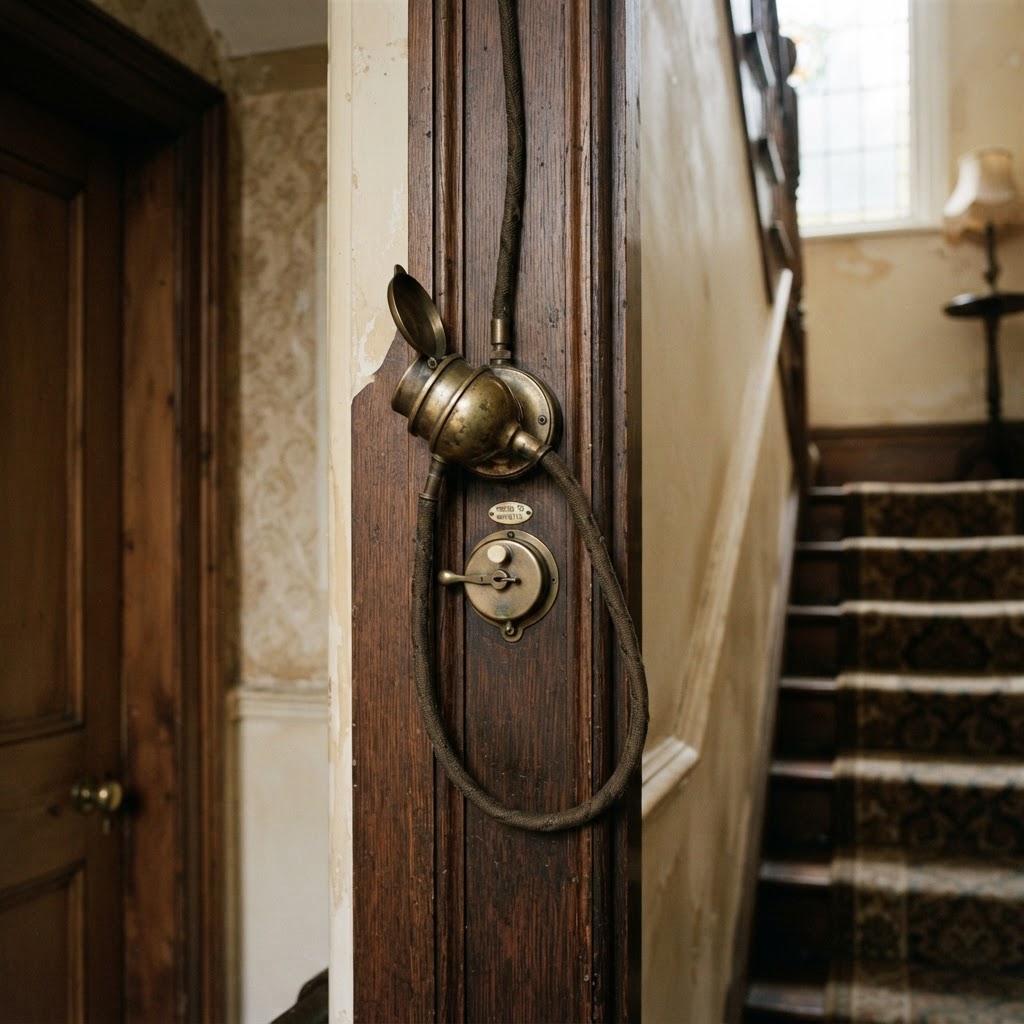
If you've ever explored an older home and found a small brass fixture on the wall — perhaps shaped like a flower or a simple flared pipe opening — you may have stumbled across one of the 19th century's most ingenious communication technologies: the speaking tube. At its core, a speaking tube is exactly what it sounds like: a narrow pipe, typically made of tin, copper, or brass, that runs through the walls and between floors of a home, allowing people to speak to one another without shouting or physically traveling between rooms.
These tubes were typically capped with decorative brass mouthpieces, often with a small whistle or bell at each end. To use one, a person would blow into the tube to alert the person at the other end, wait for a response, then hold their ear to the opening to listen and their mouth to speak. It was a surprisingly effective system, capable of carrying a clear voice across dozens of feet of pipe and multiple floors.
The Historical Era and Purpose
Speaking tubes reached their peak popularity in the mid-to-late 1800s, coinciding with the Victorian era's obsession with domestic efficiency and class structure. In wealthy households, these systems were essential tools of household management. A homeowner or family member in the parlor or study could signal the kitchen staff, the butler's pantry, or the servants' quarters without leaving their seat. For large estate homes and urban townhouses alike, speaking tubes were the original intercom system.
The technology actually predates residential use — speaking tubes were widely used aboard ships, in factories, and in early office buildings throughout the early 1800s. By the time they made their way into domestic architecture, they were well-tested and reliable. Homebuilders began installing them as standard features in upper-middle-class and wealthy residences, and they remained common right through the early 20th century.
The social context matters here, too. Victorian domestic life often revolved around a strict division between family spaces and servant spaces. Speaking tubes allowed that boundary to remain intact — there was no need for a staff member to appear in a formal room simply to receive instructions. The system reinforced both efficiency and the rigid social hierarchy of the era.
What Replaced Speaking Tubes?
By the 1920s and 1930s, speaking tubes began to disappear from new residential construction, replaced first by electric servant call systems and push-button bell boards, then gradually by the telephone and eventually modern wired intercom systems. As domestic service itself declined throughout the 20th century and open floor plans became fashionable, the entire concept of room-to-room voice communication became less critical to home design.
Electric intercoms — clunky boxes with tinny speakers — took over by mid-century, and today's smart home systems like Amazon Echo, Google Nest, and Apple HomeKit have made whole-home communication invisible and wireless. It's hard to compete with a voice-activated AI assistant, but speaking tubes had a remarkable 70-plus-year run in residential use.
What Should You Do If Your Home Still Has One?
Finding a speaking tube in an older home is a genuine treasure. If you live in a Victorian, Edwardian, or early 20th-century house — particularly one built between 1860 and 1920 — there's a reasonable chance one may still exist within your walls, even if the mouthpieces have been removed or painted over. Look for small capped brass fittings in kitchens, butler's pantries, master bedrooms, and home offices.
If yours is intact, resist the urge to remove it. Speaking tubes are increasingly valued by historic preservation enthusiasts and can add genuine character and authenticity to a period restoration. Some homeowners have successfully cleaned, re-fitted, and restored their speaking tubes to working condition — they remain functionally sound if the pipe itself is intact and clear of debris or paint blockage.
From a practical standpoint, a working speaking tube requires no electricity, no Wi-Fi, and no subscription. For a vacation home, a workshop connection to a main house, or simply as a conversation piece, a restored speaking tube is both charming and surprisingly useful. If you're renovating, consult a historic preservation specialist before removing any original brass fittings — what looks like old plumbing might just be the most analog smart-home feature your house has ever had.
More Historic Features
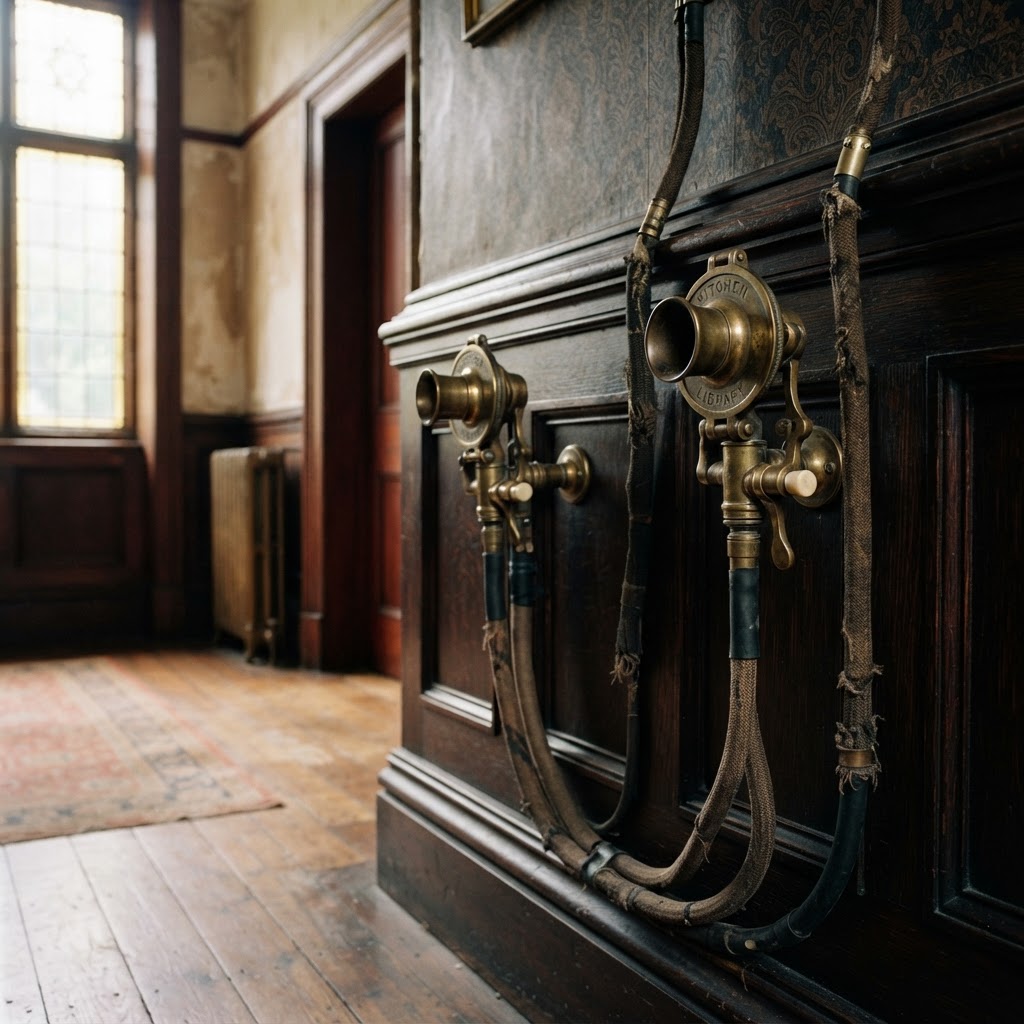
Speaking Tubes: The Victorian Smart Home Intercom System
Before intercoms and smartphones, speaking tubes let households communicate across multiple floors instantly. Discover the fascinating history of this forgotten Victorian feature and what to do if your older home still has one.
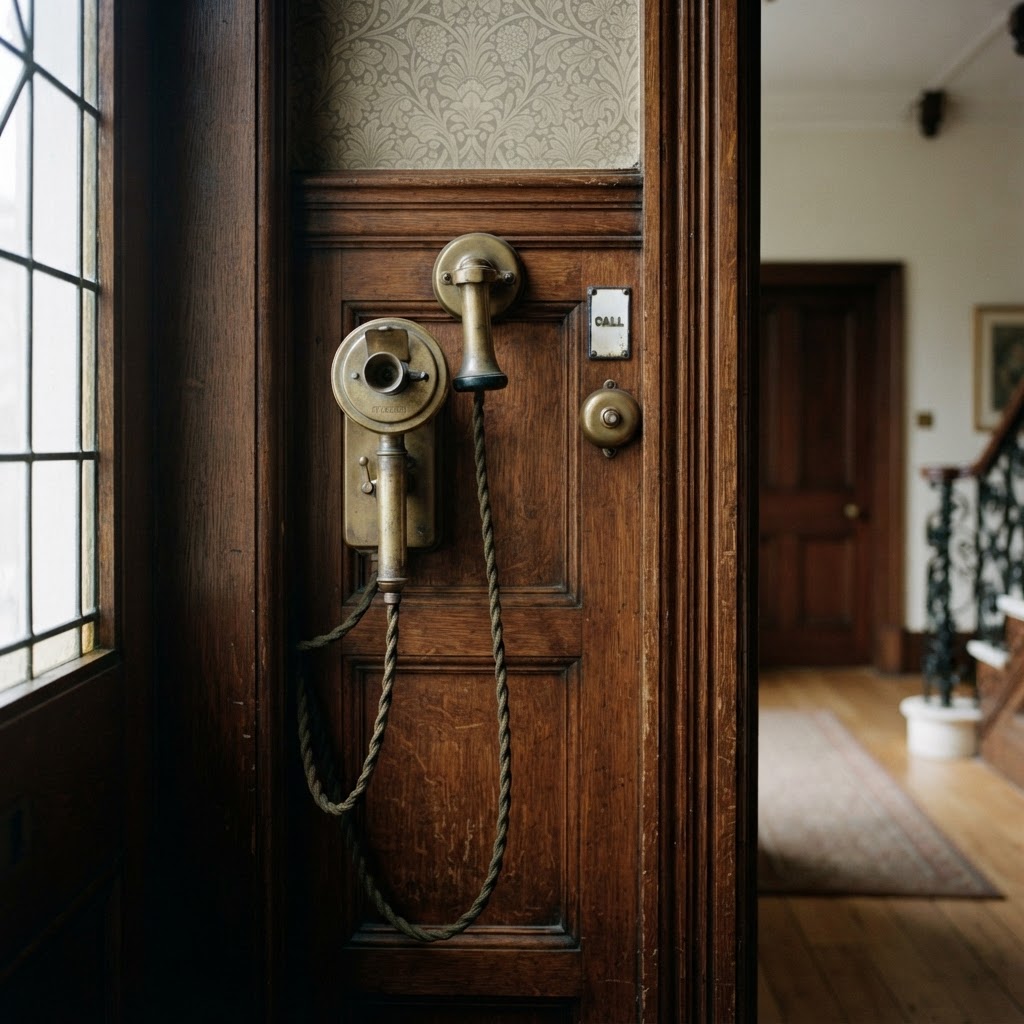
Speaking Tubes: The Victorian Intercom System in Old Homes
Speaking tubes were the original whole-home communication system, letting Victorian homeowners talk between floors without raising their voice. Discover the history, purpose, and modern potential of this fascinating architectural relic.
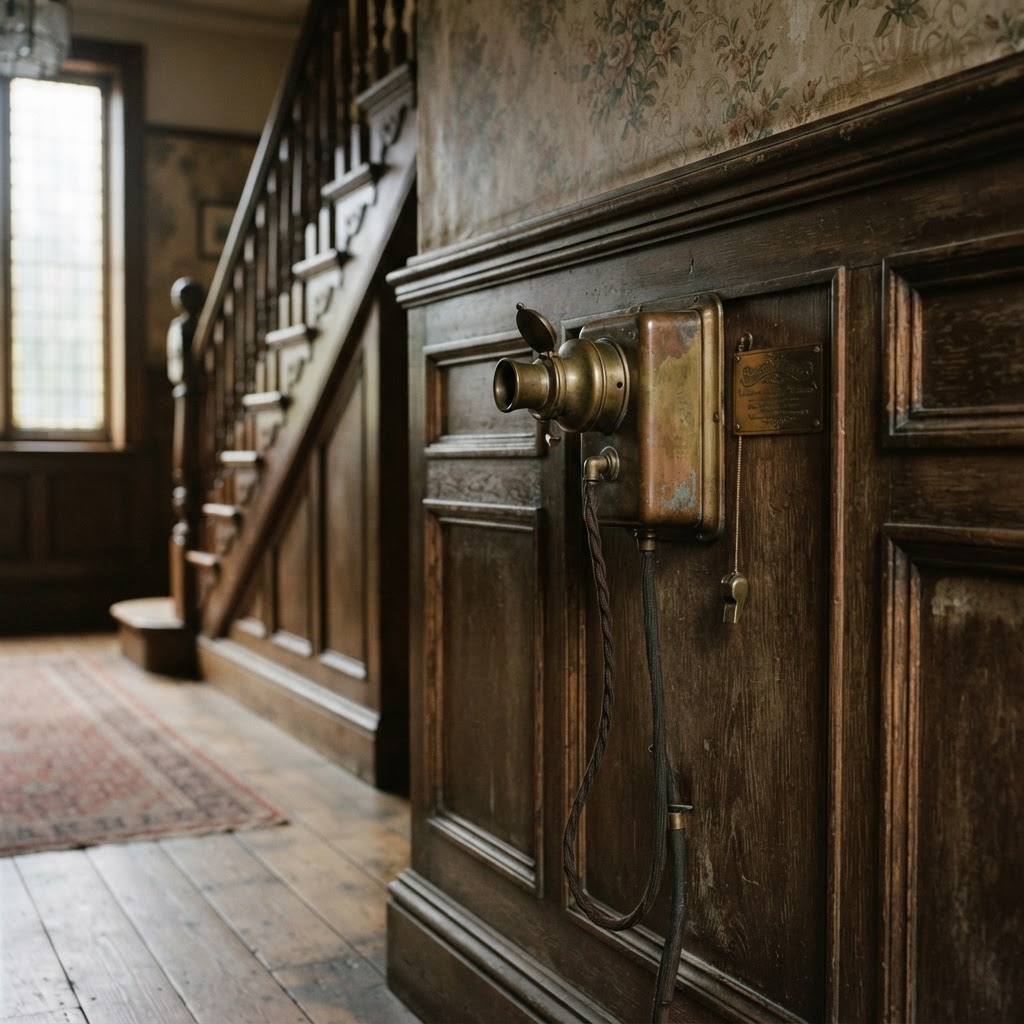
Speaking Tubes: The Victorian Intercom Hidden in Your Walls
Speaking tubes were the original home intercom system, letting residents of grand Victorian and Edwardian homes communicate across floors without raising their voices. Discover the history, function, and modern potential of this fascinating architectural relic.
Speaking Tubes: The Forgotten Intercom System in Older Homes
Before intercoms and smartphones, speaking tubes let households communicate across multiple floors instantly. Discover the history, function, and modern potential of this fascinating Victorian-era feature.