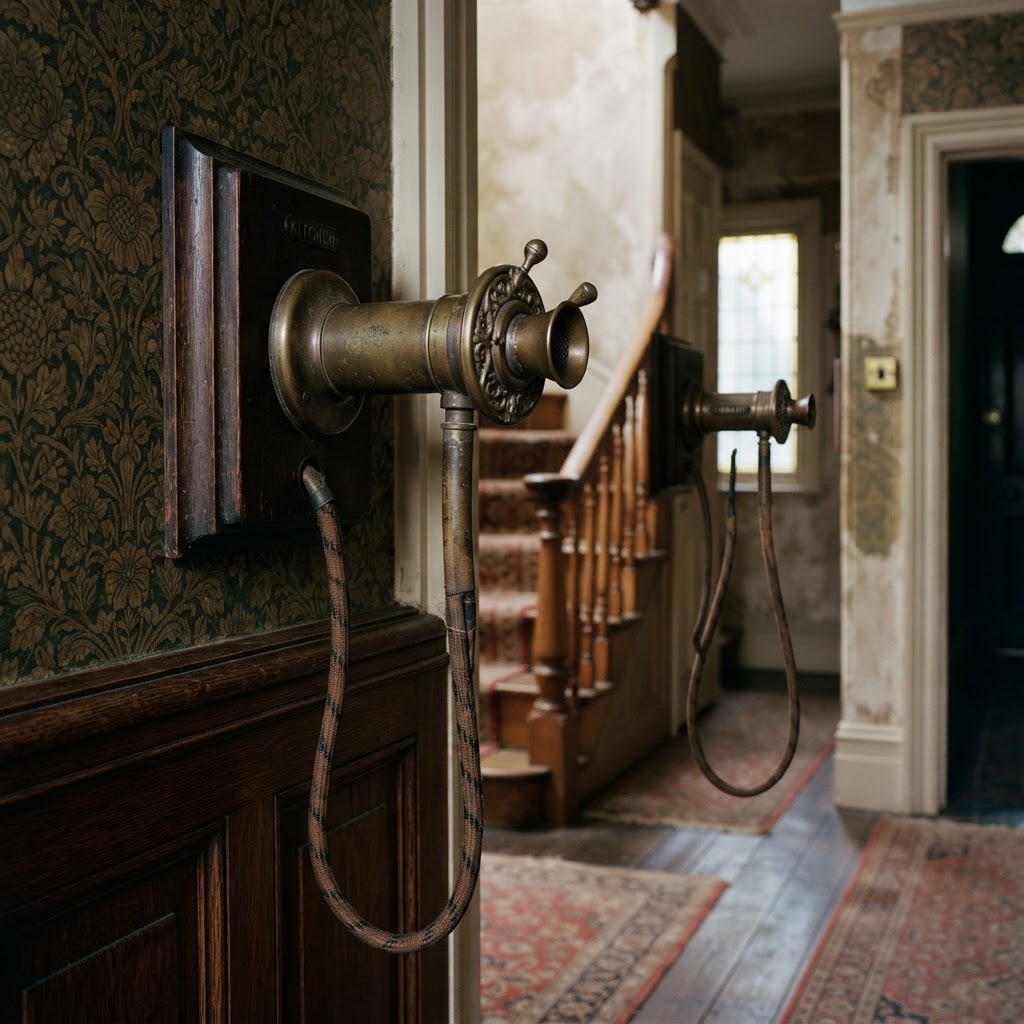
Speaking Tubes: The Forgotten Intercom System in Old Homes
Before electric intercoms, speaking tubes let households communicate instantly across multiple floors. Discover the history, purpose, and modern relevance of this fascinating Victorian-era feature.
If you've ever poked around the walls of a Victorian or Edwardian home and found a small brass fixture with a hinged cap or a whistle attached to a pipe, you may have stumbled across one of the most ingenious low-tech communication systems ever installed in a residence: the speaking tube. These hollow pipe networks carried voices from room to room — no electricity required — and were once considered a hallmark of a well-appointed home.
What Exactly Is a Speaking Tube?
A speaking tube is a system of narrow pipes, typically made from copper, brass, or lead, that run through the walls and floors of a building to connect two or more rooms. By speaking directly into a mouthpiece at one end, your voice travels through the tube and emerges audibly at the other end. The physics are simple: the enclosed tube channels sound waves with surprisingly little loss over distances of 50 feet or more.
Most residential speaking tube systems were installed between the 1850s and the 1920s, though the technology itself dates back centuries in maritime use. Ships used speaking tubes long before homes did, allowing captains to communicate with engine rooms below deck. Victorian-era architects borrowed the concept and adapted it for multi-story townhouses, country estates, and urban row houses alike.
Each terminal typically featured a small brass or porcelain mouthpiece fitted with a cap or plug. Many systems included a small whistle or pea-sized ball at the receiving end. To initiate a conversation, you would blow sharply into the tube, causing the whistle at the other end to sound — a kind of Victorian push notification — before speaking your message.
Why Did Older Homes Have Them?
The primary driver was household management. In affluent homes employing domestic servants, speaking tubes connected the main living areas to the kitchen, butler's pantry, servants' quarters, or basement. A mistress of the house could summon the cook from the parlor without leaving her chair or shouting down a stairwell. It was practical, discreet, and considered appropriately dignified for the era.
But speaking tubes weren't limited to grand estates. Middle-class urban homes in cities like Boston, Chicago, New York, and Philadelphia often featured simpler two-point systems connecting the front door vestibule to an upstairs bedroom or sitting room. This allowed residents to speak with callers at the door before deciding whether to descend — an early version of the video doorbell conversation we have today.
In apartment buildings and commercial properties, speaking tube networks could be remarkably complex, branching across dozens of rooms. Hotels used them extensively until electric telephone switchboards made them redundant in the early twentieth century.
What Replaced Speaking Tubes?
The decline of speaking tubes came swiftly once electric intercoms became affordable in the 1920s and 1930s. Electric systems offered clearer sound, greater range, and the ability to broadcast to multiple rooms simultaneously. The telephone, which arrived in many middle-class homes by the early 1900s, also undermined the appeal of fixed-point tube systems.
By the mid-twentieth century, speaking tubes were largely forgotten, sealed up during renovations, or stripped out entirely. The domestic servant class that made many of these systems meaningful had also diminished dramatically after World War I, reducing the practical need for servant-to-employer communication infrastructure.
What Should You Do If Your Home Still Has One?
Finding an intact speaking tube system in an older home is genuinely exciting — these features are increasingly rare and historically significant. Before you decide to plaster over or remove them, consider a few things.
First, have the tubes inspected. Older systems made from lead pipe should be assessed by a renovation professional, particularly if any sections have degraded. Intact copper or brass systems are generally harmless and structurally unimportant to the home.
Second, consider restoration. Working speaking tube systems are a beloved novelty and a legitimate historic feature. Specialty suppliers still manufacture period-appropriate brass mouthpieces and fittings. Restoring your system to working condition adds authentic character and can even be a selling point in heritage real estate markets.
Finally, document what you find. Photograph the terminal locations, trace the routes where accessible, and note the materials. This information is valuable for preservation records and helps future owners or historians understand the original layout of the home.
Speaking tubes are a quiet testament to human ingenuity — proof that elegant solutions don't always require electricity, and that the homes of the past had more built-in intelligence than we often give them credit for.
More Historic Features
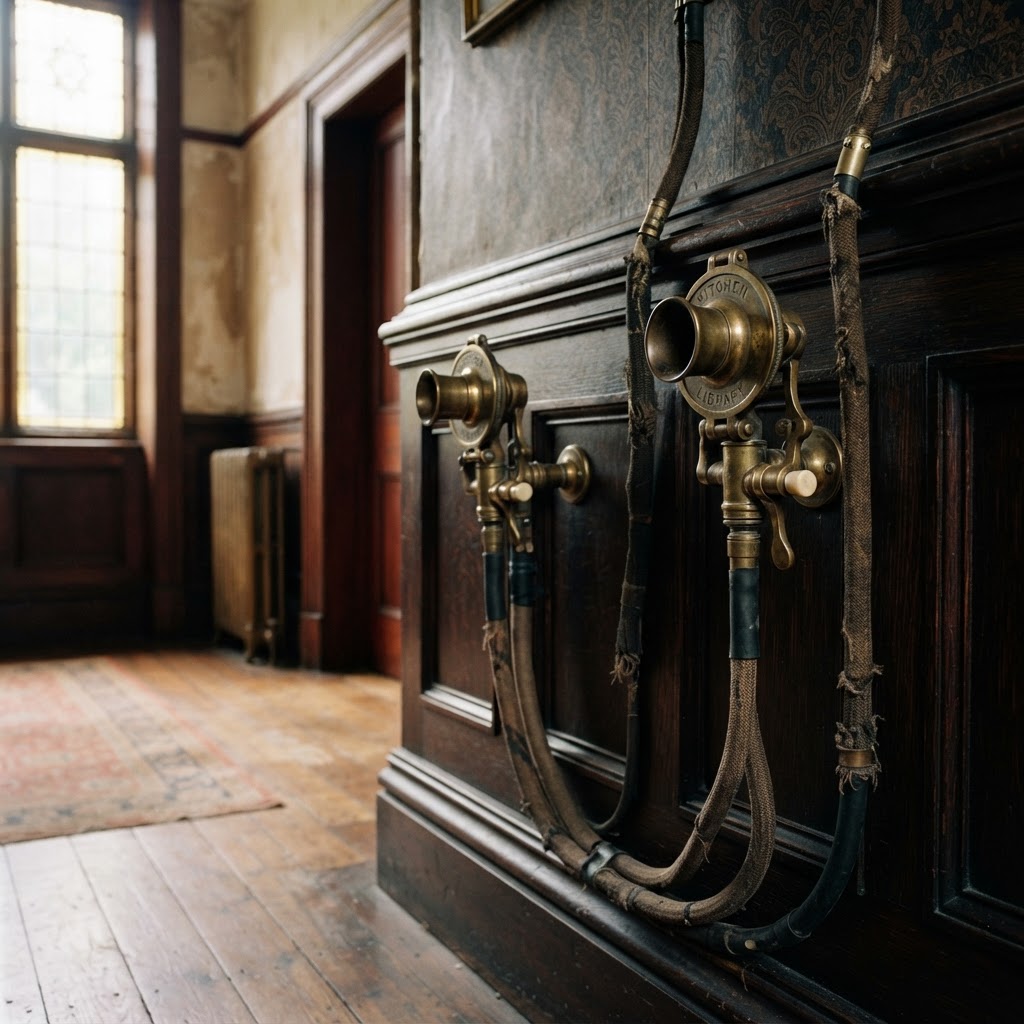
Speaking Tubes: The Victorian Smart Home Intercom System
Before intercoms and smartphones, speaking tubes let households communicate across multiple floors instantly. Discover the fascinating history of this forgotten Victorian feature and what to do if your older home still has one.
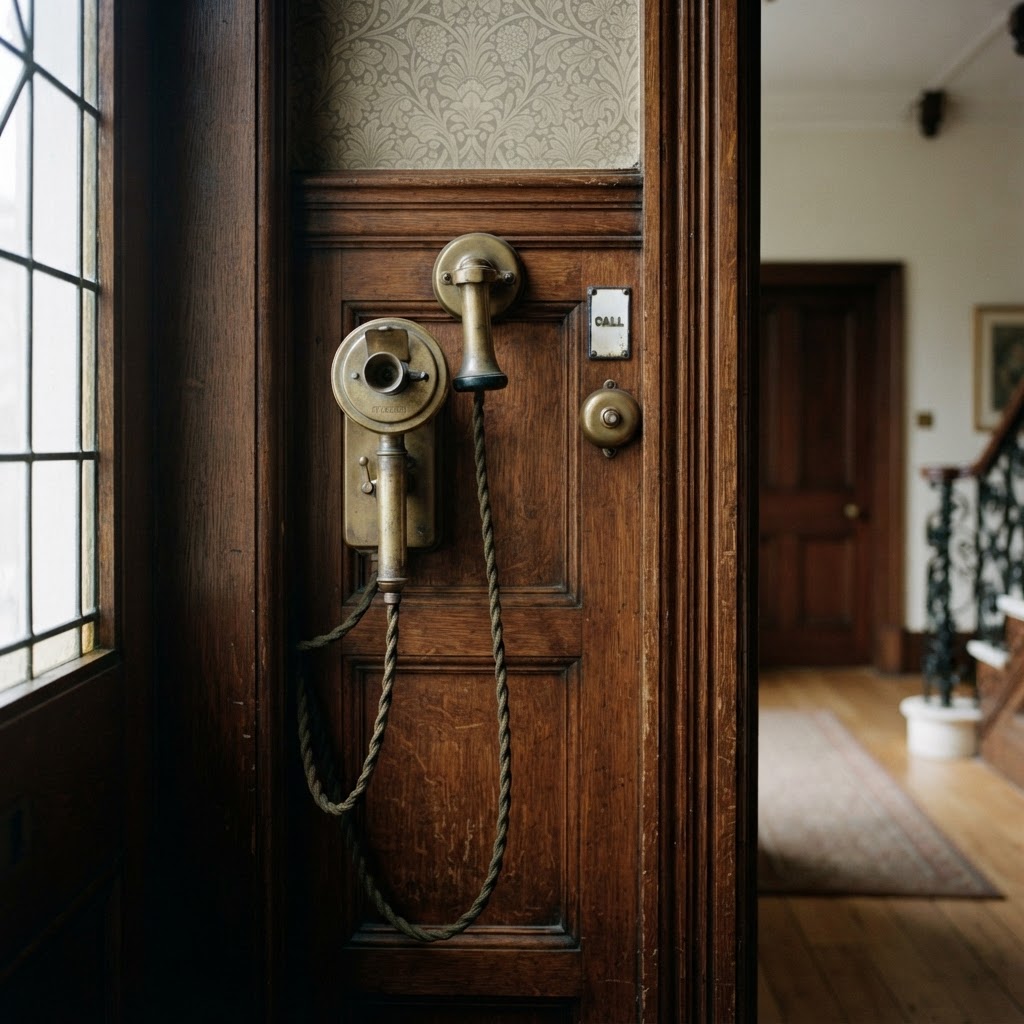
Speaking Tubes: The Victorian Intercom System in Old Homes
Speaking tubes were the original whole-home communication system, letting Victorian homeowners talk between floors without raising their voice. Discover the history, purpose, and modern potential of this fascinating architectural relic.
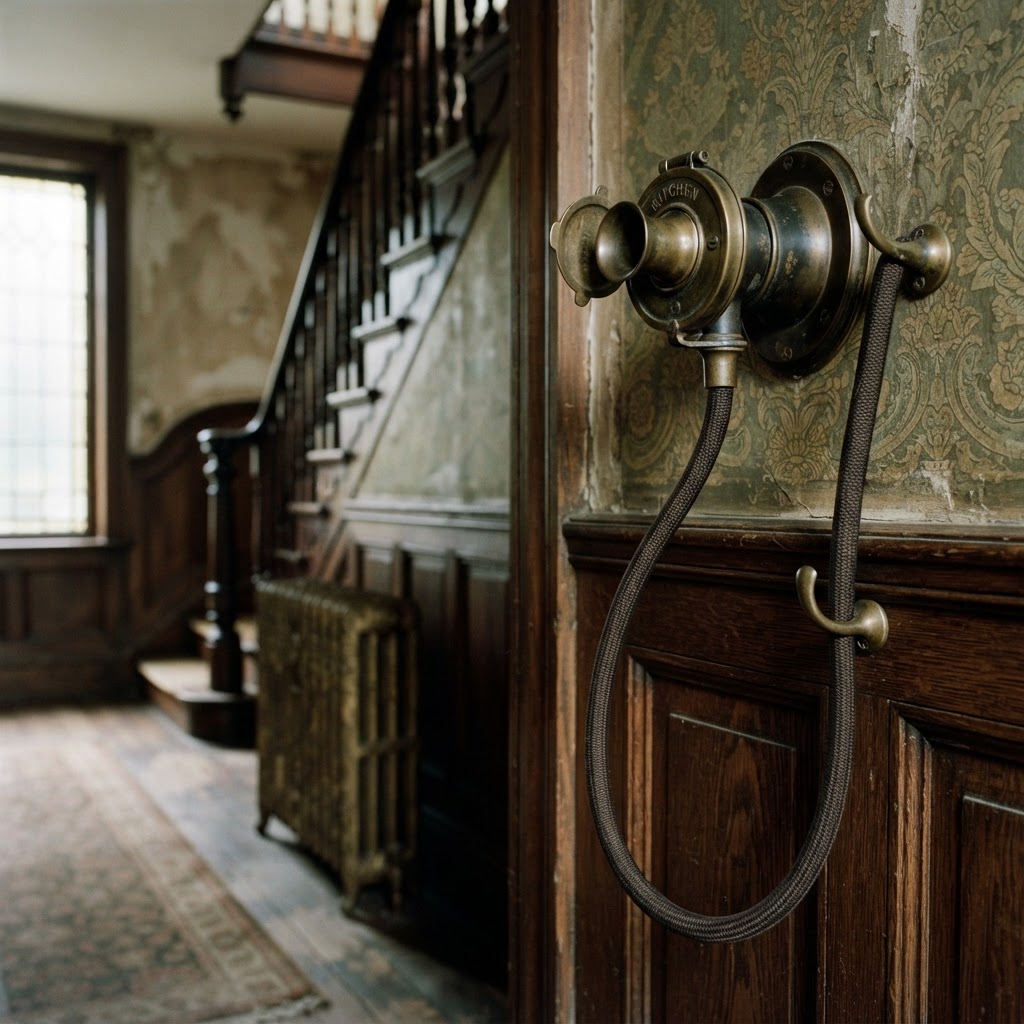
Speaking Tubes: The Victorian Smart Home Intercom System
Before intercoms and smartphones, Victorian homes used speaking tubes to communicate between floors. Discover the history, function, and modern potential of this fascinating architectural relic.
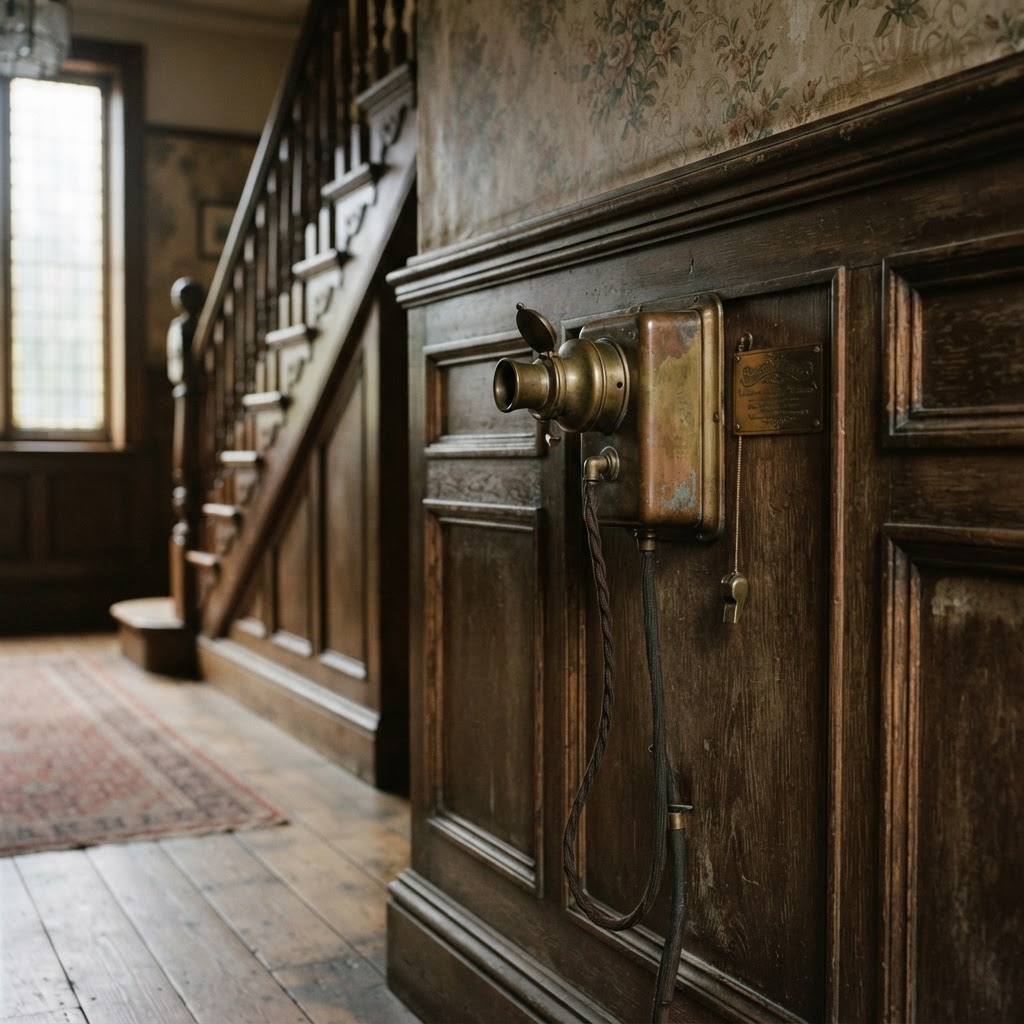
Speaking Tubes: The Victorian Intercom Hidden in Your Walls
Speaking tubes were the original home intercom system, letting residents of grand Victorian and Edwardian homes communicate across floors without raising their voices. Discover the history, function, and modern potential of this fascinating architectural relic.