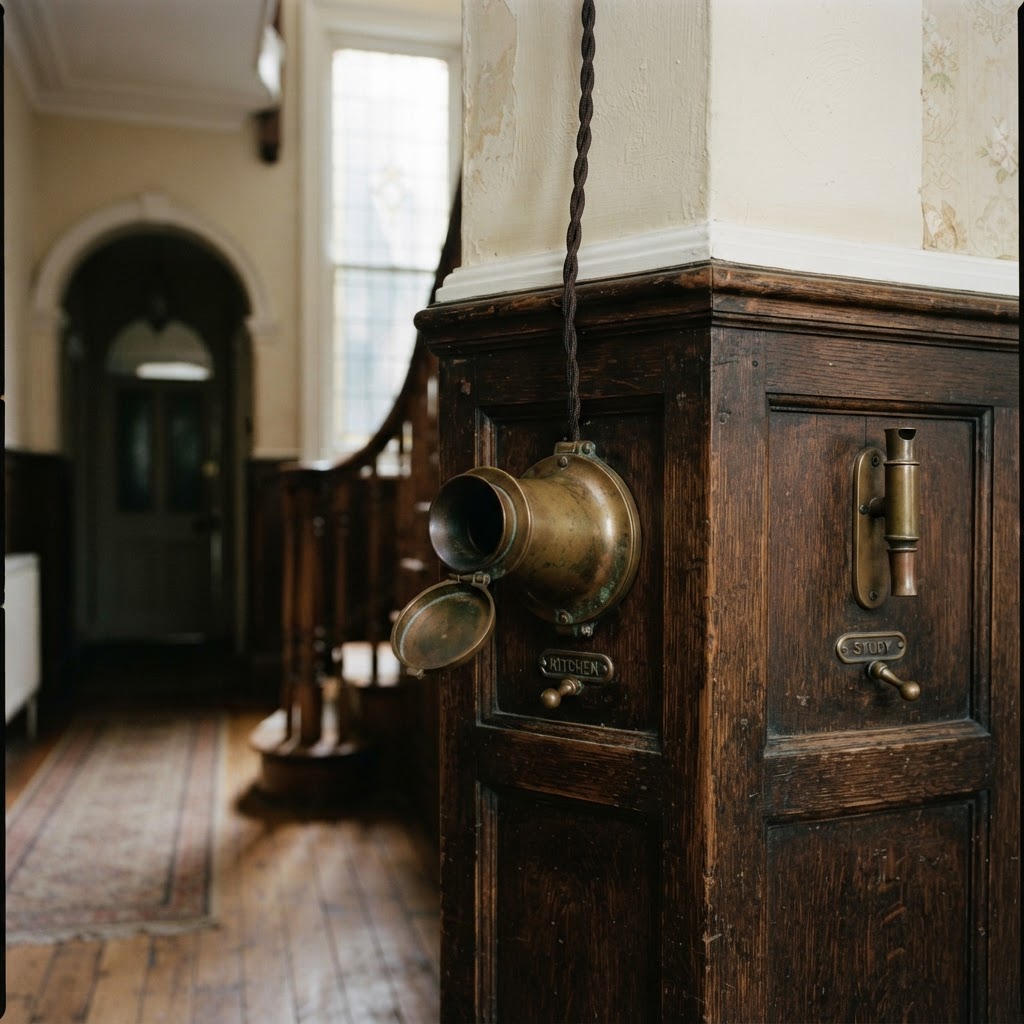
Speaking Tubes: The Victorian Intercom Hidden in Your Walls
Speaking tubes were the original whole-home communication system, letting household members talk across floors without leaving a room. Discover what they are, why older homes had them, and what to do if you find one today.
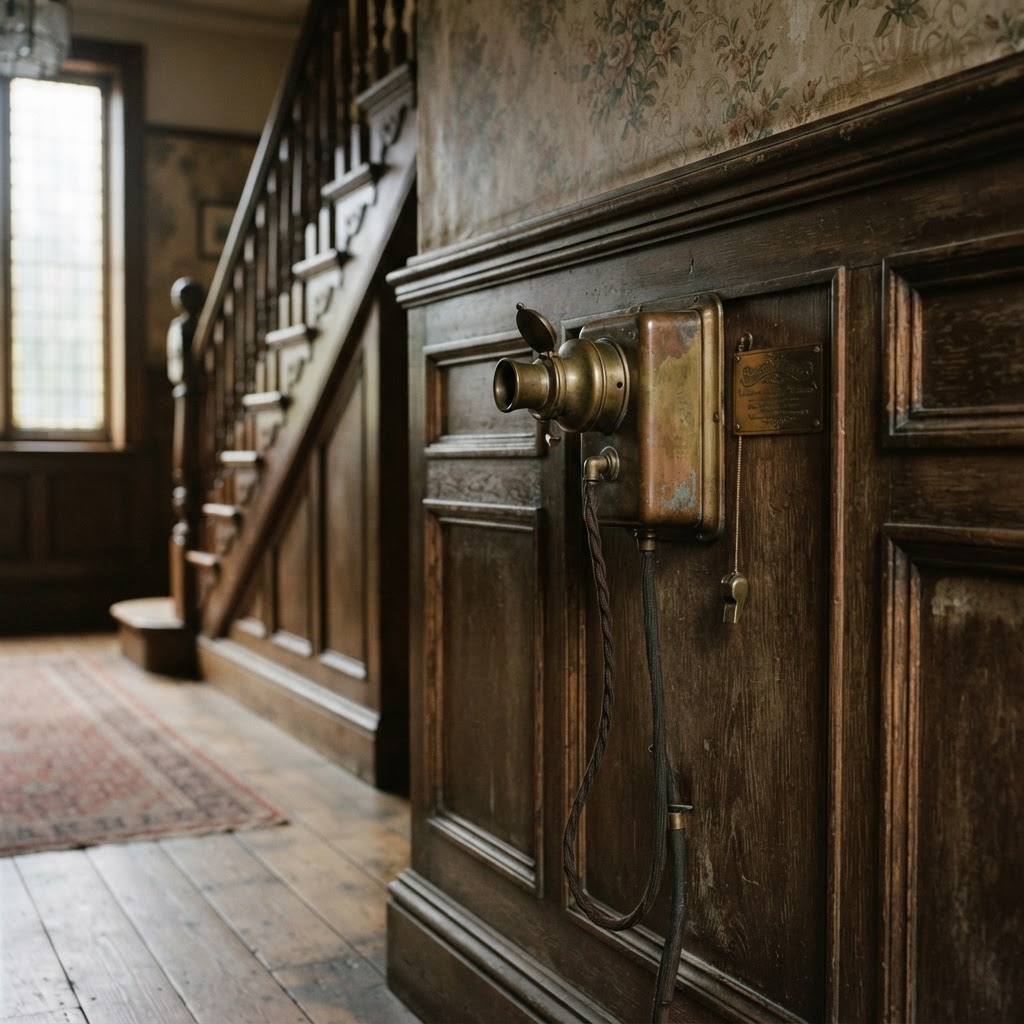
If you've ever poked around the walls of a Victorian-era home and discovered a small brass mouthpiece fitted into the plaster — perhaps near a fireplace mantel, a kitchen doorway, or a butler's pantry — you may have stumbled upon one of the most fascinating and forgotten features of domestic architecture: the speaking tube. Long before intercoms, smartphones, or even electric call bells became standard, speaking tubes were the sophisticated solution to a surprisingly persistent household problem: how do you talk to someone on the other side of a large house?
What Exactly Is a Speaking Tube?
A speaking tube is a system of narrow pipes — typically made from tin, copper, or lead — installed within the walls, floors, and ceilings of a home to carry sound between rooms. Each terminal point featured a small mouthpiece and earpiece, often finished with a decorative brass fitting and a whistle or cap. To use it, you'd blow into the tube to alert the person on the other end, wait for them to place their ear to the opening, and then speak directly into the pipe. Sound traveled surprisingly well through these metal conduits, making conversation across two or three floors entirely practical.
Speaking tubes first appeared in the early 19th century, initially in ships and industrial settings where shouting over machinery was impractical. By the 1850s and 1860s, they had migrated into wealthy urban homes, and by the 1880s and 1890s they were considered a hallmark of a well-appointed Victorian or Edwardian residence. Many upscale homes in cities like New York, Boston, Chicago, and London installed entire networks connecting the kitchen, servants' quarters, master bedroom, library, and front door.
Why Older Homes Had Them
The primary driver was the size of the household — both in terms of physical space and domestic staff. A prosperous Victorian family might occupy four or five floors of a townhouse, with servants living and working in the basement kitchen or attic quarters. Climbing three flights of stairs simply to deliver a message was inefficient and disruptive. Speaking tubes offered a direct, instantaneous line of communication without the need for electricity, batteries, or any moving parts.
They were also a status symbol. Installing a speaking tube system required skilled labor, quality materials, and thoughtful planning during construction. Homes with speaking tubes signaled that their owners valued both modern convenience and efficient household management. Architectural pattern books of the era often included speaking tube layouts as standard features alongside gas lighting and indoor plumbing in premium home designs.
The tubes were typically routed between floors during original construction, tucked within interior wall cavities and emerging at carefully chosen locations — near the cook's workstation, beside the head of the household's desk, or at the front entrance where a servant could respond to visitors.
What Replaced Them
Speaking tubes began to fall out of favor in the early 20th century as electric servant call systems — and later, electric intercoms — became more affordable and reliable. The telephone, widely adopted in domestic settings by the 1910s and 1920s, further accelerated their decline. By the post-World War II era, speaking tubes were largely a curiosity, often capped off, painted over, or simply left to rust quietly inside the walls during renovations.
Modern wireless intercom systems and smart home platforms like Ring or Nest have made room-to-room communication trivially easy, completing a technological arc that began with these simple brass-fitted pipes.
What to Do If Your Home Still Has One
Finding an intact speaking tube system in an older home is genuinely exciting — and surprisingly common in pre-1920 houses that haven't undergone major gut renovations. First, resist the urge to remove them immediately. Many preservation-minded homeowners choose to restore and even use their speaking tubes, as the acoustics are often still quite functional after a simple cleaning.
If restoration interests you, start by clearing any blockages with a flexible brush and testing each terminal with a partner. Replacement brass fittings and mouthpieces are available from specialty architectural salvage dealers and reproduction hardware suppliers. If the tubes are damaged or non-functional but historically intact, document and preserve the visible hardware as a character-defining feature — it can be a compelling selling point and a wonderful conversation piece.
If you're renovating and must remove them, salvage the brass fittings. Antique speaking tube hardware is collectible, and your local architectural salvage shop will likely welcome the donation. Either way, the speaking tube in your wall is a direct, tangible link to the daily life of the people who built your home — and that's worth honoring.
More Historic Features
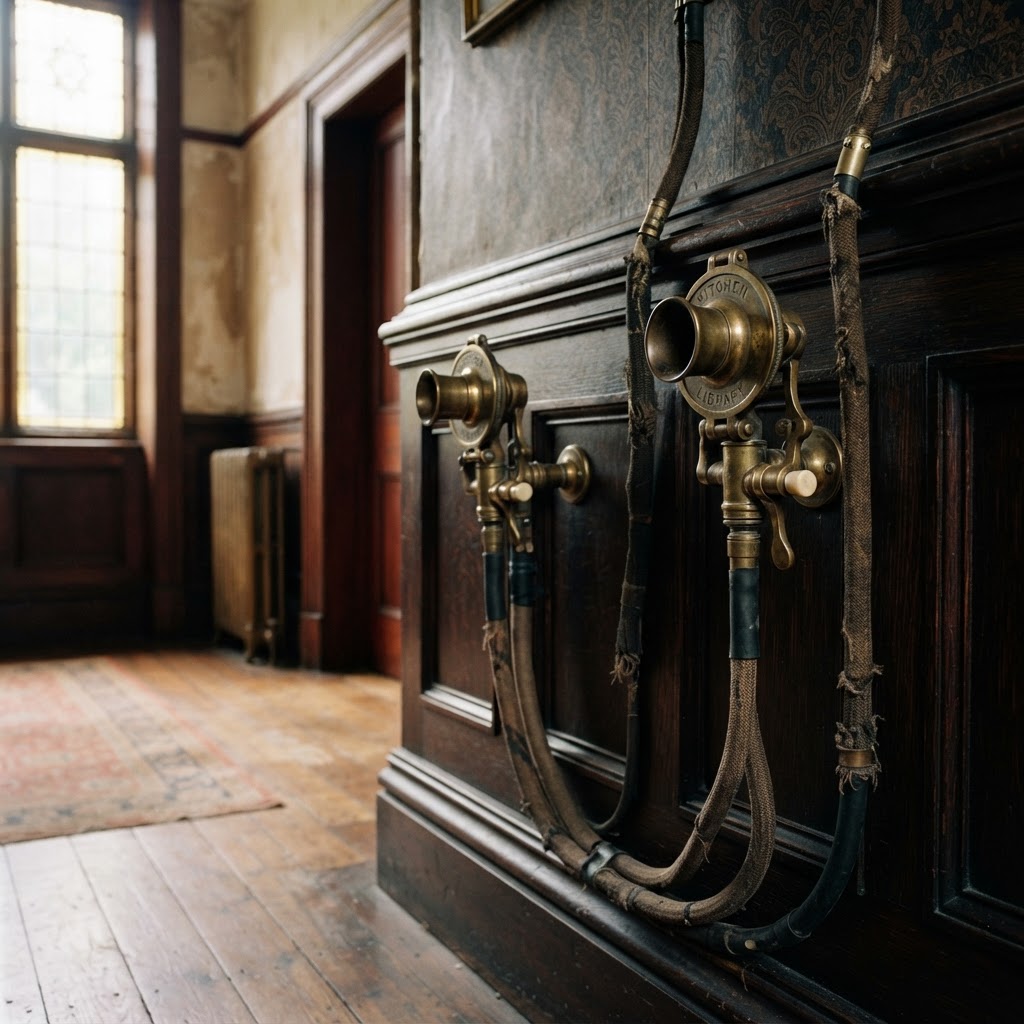
Speaking Tubes: The Victorian Smart Home Intercom System
Before intercoms and smartphones, speaking tubes let households communicate across multiple floors instantly. Discover the fascinating history of this forgotten Victorian feature and what to do if your older home still has one.
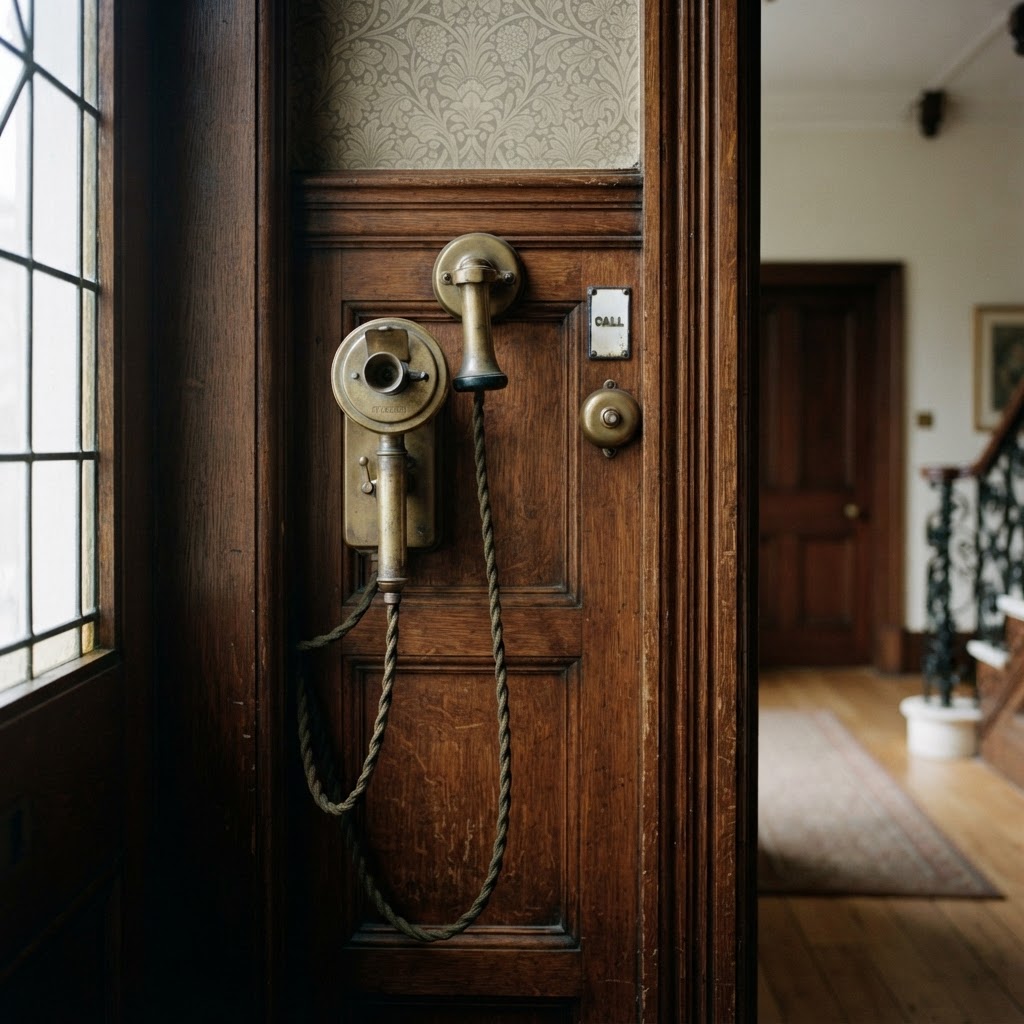
Speaking Tubes: The Victorian Intercom System in Old Homes
Speaking tubes were the original whole-home communication system, letting Victorian homeowners talk between floors without raising their voice. Discover the history, purpose, and modern potential of this fascinating architectural relic.
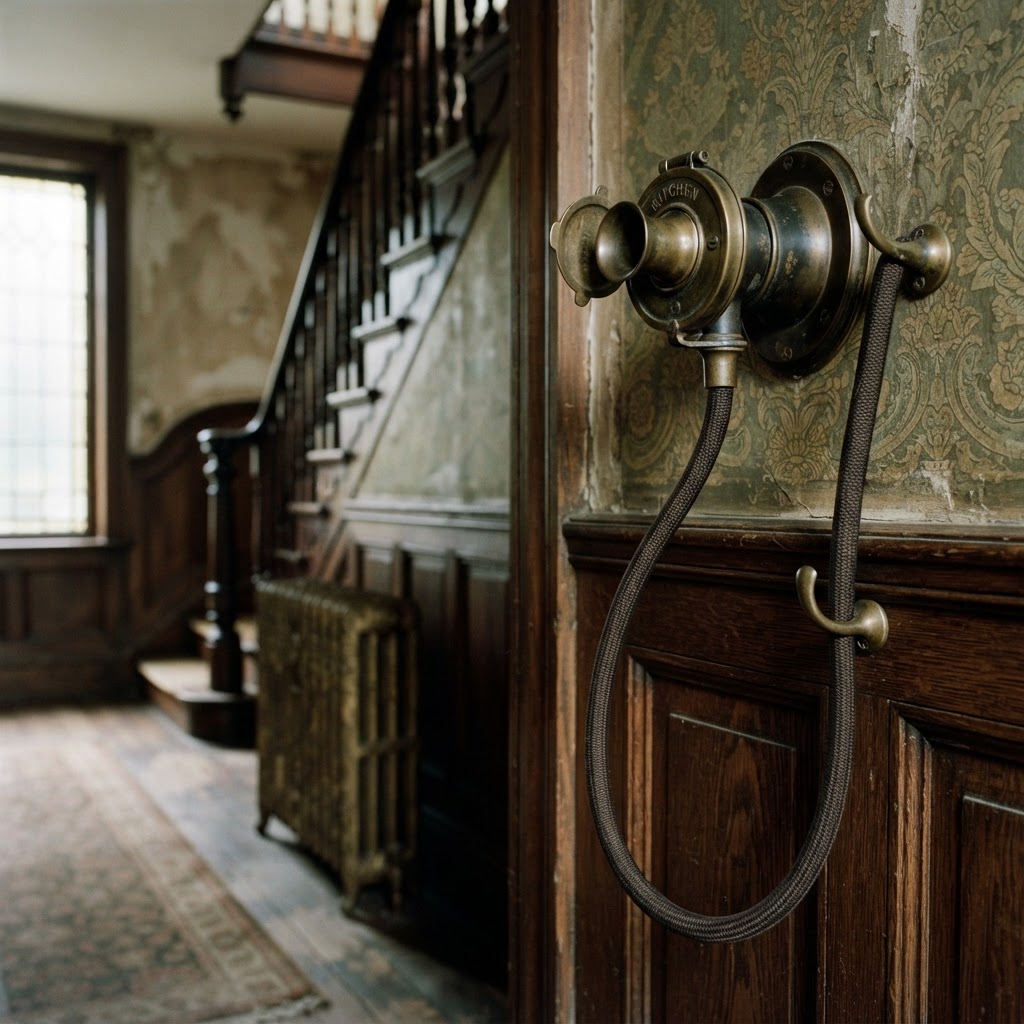
Speaking Tubes: The Victorian Smart Home Intercom System
Before intercoms and smartphones, Victorian homes used speaking tubes to communicate between floors. Discover the history, function, and modern potential of this fascinating architectural relic.
Speaking Tubes: The Victorian Intercom Hidden in Your Walls
Speaking tubes were the original home intercom system, letting residents of grand Victorian and Edwardian homes communicate across floors without raising their voices. Discover the history, function, and modern potential of this fascinating architectural relic.