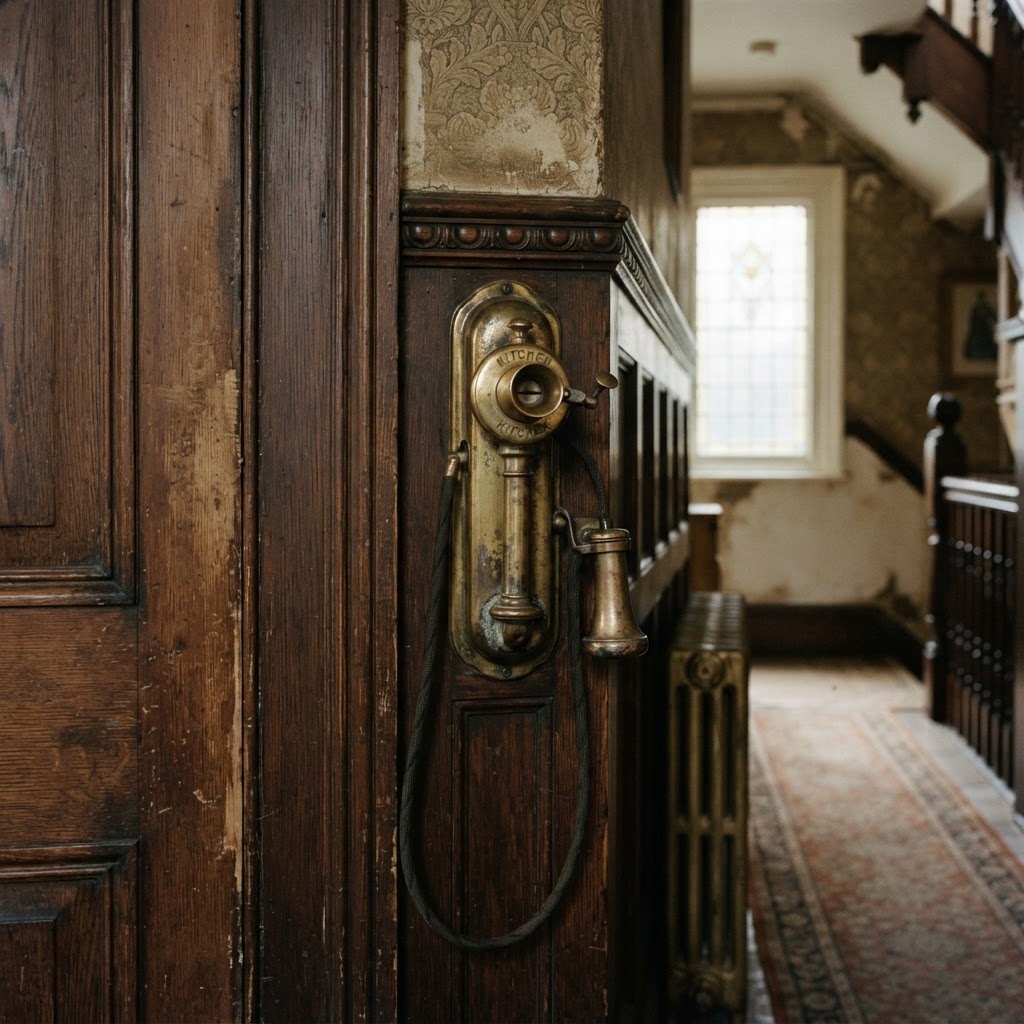
Speaking Tubes: The Victorian Smart Home Feature You Didn't Know
Before intercoms and smartphones, speaking tubes let households communicate across multiple floors instantly. Discover the history, purpose, and what to do if your older home still has one.
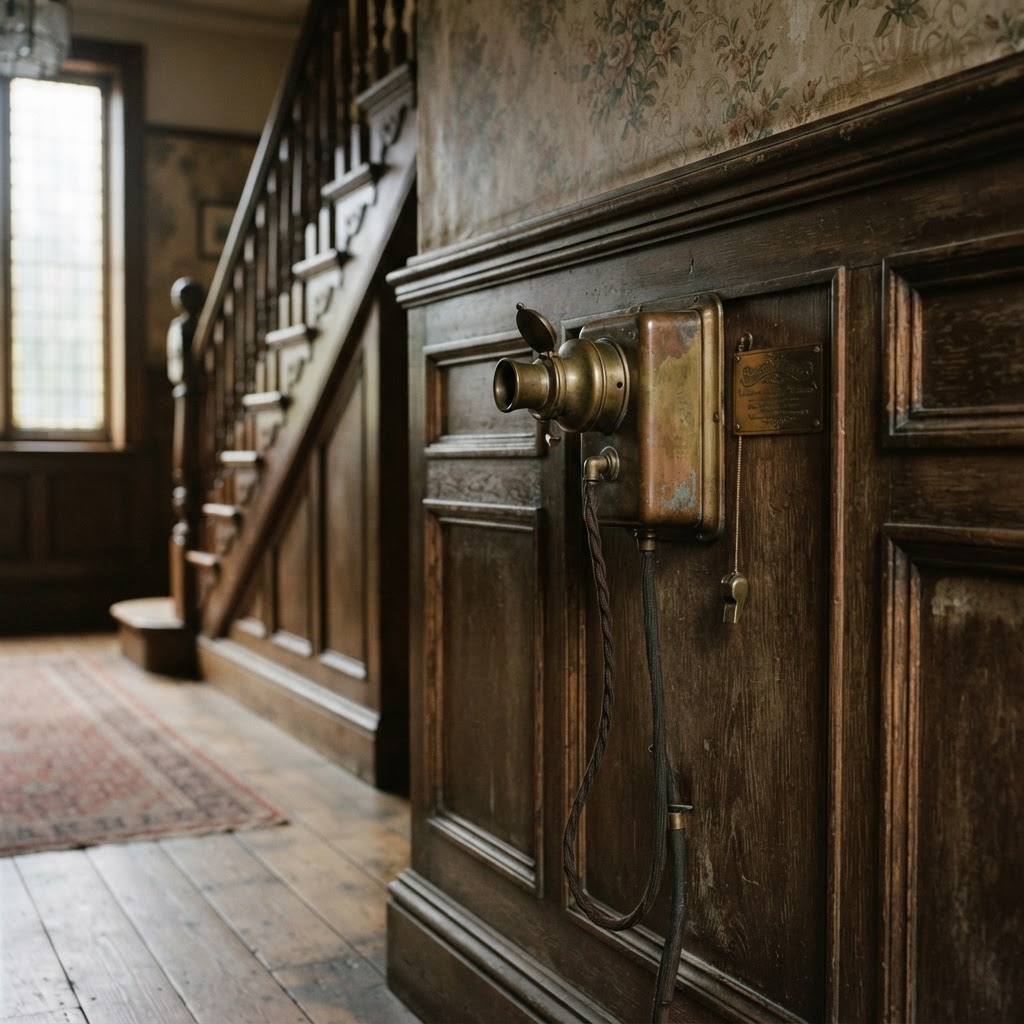
If you've ever poked around the walls of a Victorian-era home and found a small brass fixture with a whistle attached, you may have stumbled upon one of the most ingenious — and forgotten — communication technologies of the 19th century. Speaking tubes were the original whole-home intercom system, and they were considered the height of domestic sophistication in their day.
What Exactly Is a Speaking Tube?
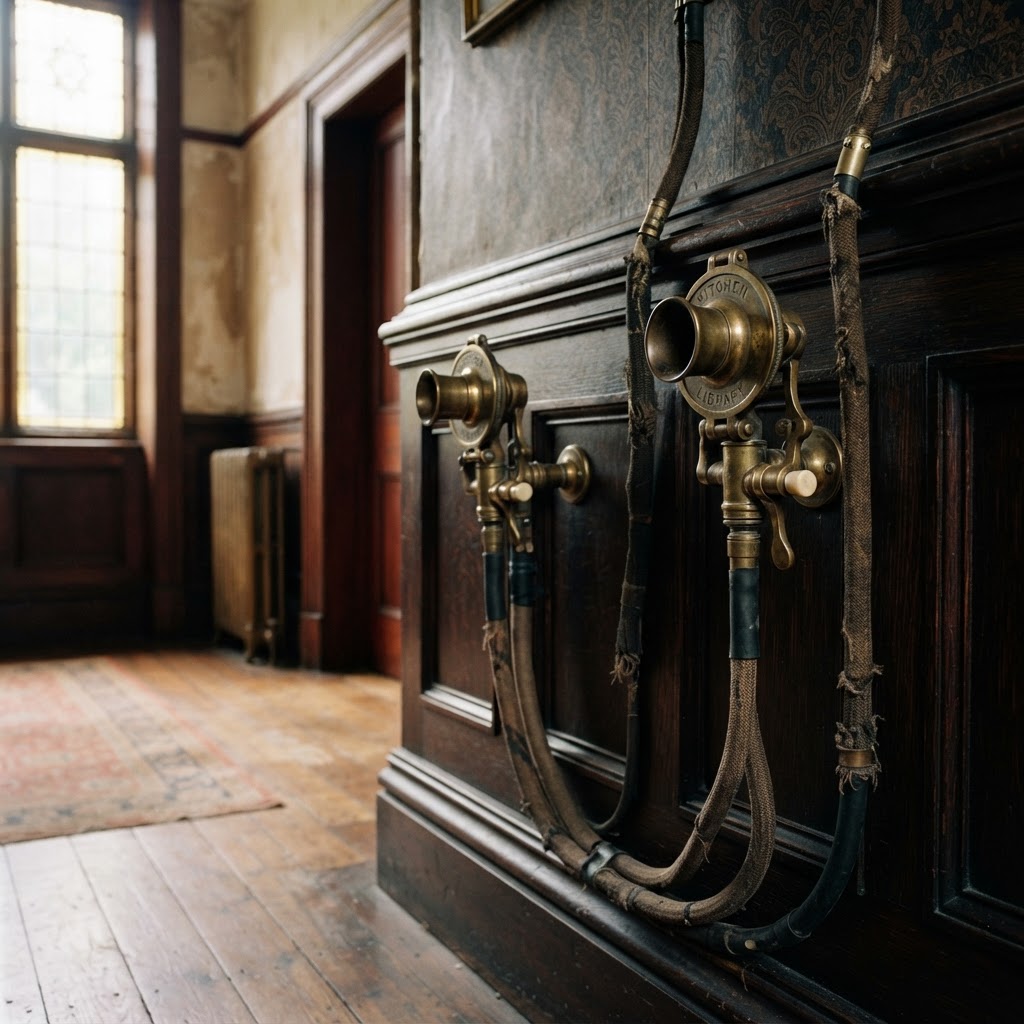
A speaking tube is a hollow pipe, typically made of tin, copper, or lead, that runs through the walls or floors of a building to connect two or more rooms. By speaking directly into a mouthpiece at one end, your voice travels through the tube and emerges clearly at the other end. Each terminal was fitted with a small brass or nickel mouthpiece, often with a hinged cover, and a pea whistle was used to signal the person at the other end before speaking.
The technology itself is surprisingly simple — it relies entirely on the physics of sound traveling through an enclosed tube with minimal energy loss. No electricity required. No batteries. No Wi-Fi. Just physics doing the heavy lifting across thirty feet of copper pipe.
The Historical Purpose and Era
Speaking tubes became popular in upscale American and European homes during the mid-to-late 1800s, reaching peak use roughly between 1850 and 1920. They were especially common in large Victorian, Edwardian, and Queen Anne-style homes — the kind with multiple stories, sprawling servant quarters, and a general need to coordinate household activity across great distances.
In wealthy households, speaking tubes typically connected the kitchen to the dining room, the master bedroom to the servant's quarters, or the front entrance to an upstairs study. The lady of the house could whistle down to the cook without leaving her parlor. Ship captains used nearly identical systems to relay orders from the bridge to the engine room — a practice that continued well into the 20th century on ocean liners.
Commercial buildings, hospitals, and even some government buildings adopted the technology as well. The White House reportedly had speaking tubes installed during the 19th century. For about seventy years, they were simply how you talked across a building.
Why Did Homes Stop Using Them?
The decline of speaking tubes came swiftly once electric intercoms became commercially viable in the early 20th century. By the 1920s and 1930s, electric bell systems and telephone extensions were increasingly affordable, and they offered clearer communication without requiring both parties to be at the tube simultaneously. Speaking tubes also carried an inherent limitation: sound travels both ways at once, meaning someone at the other end could always listen in, even when you weren't trying to communicate.
The shift away from large household staffs during and after World War I also made elaborate domestic communication systems less necessary. As homes shrank and servant culture faded, the infrastructure that supported it — including speaking tubes, dumbwaiters, and servant call bells — became architectural relics.
What to Do If Your Home Still Has One
If you live in a home built before 1930 and you discover what appears to be a speaking tube, congratulations — you have a genuinely rare piece of domestic history. Here's what you should know.
First, don't automatically assume it needs to go. Many historic preservation enthusiasts and vintage home lovers actively restore speaking tubes as functional features. If the tubing is intact and the mouthpieces are original, cleaning them up and restoring them to working order is entirely achievable with basic plumbing knowledge and some polishing compound for the brass fittings.
Second, have a contractor check the material. Older speaking tubes were sometimes made with lead pipe, particularly in pre-1900 construction. While you're not drinking from them, it's worth knowing what's in your walls, especially during renovation work.
Third, if the tubes are damaged, corroded, or simply in the way of a renovation project, they can typically be removed like any other pipe. Salvage the brass mouthpiece fixtures if possible — they're genuinely collectible and can sell for meaningful sums on architectural salvage markets or platforms like eBay and Etsy.
Speaking tubes are a reminder that the desire to connect rooms, coordinate households, and communicate instantly is nothing new. Victorian homeowners just solved the problem with a whistle and a length of copper pipe — and honestly, it worked beautifully.
More Historic Features
Speaking Tubes: The Victorian Smart Home Intercom System
Before intercoms and smartphones, speaking tubes let households communicate across multiple floors instantly. Discover the fascinating history of this forgotten Victorian feature and what to do if your older home still has one.
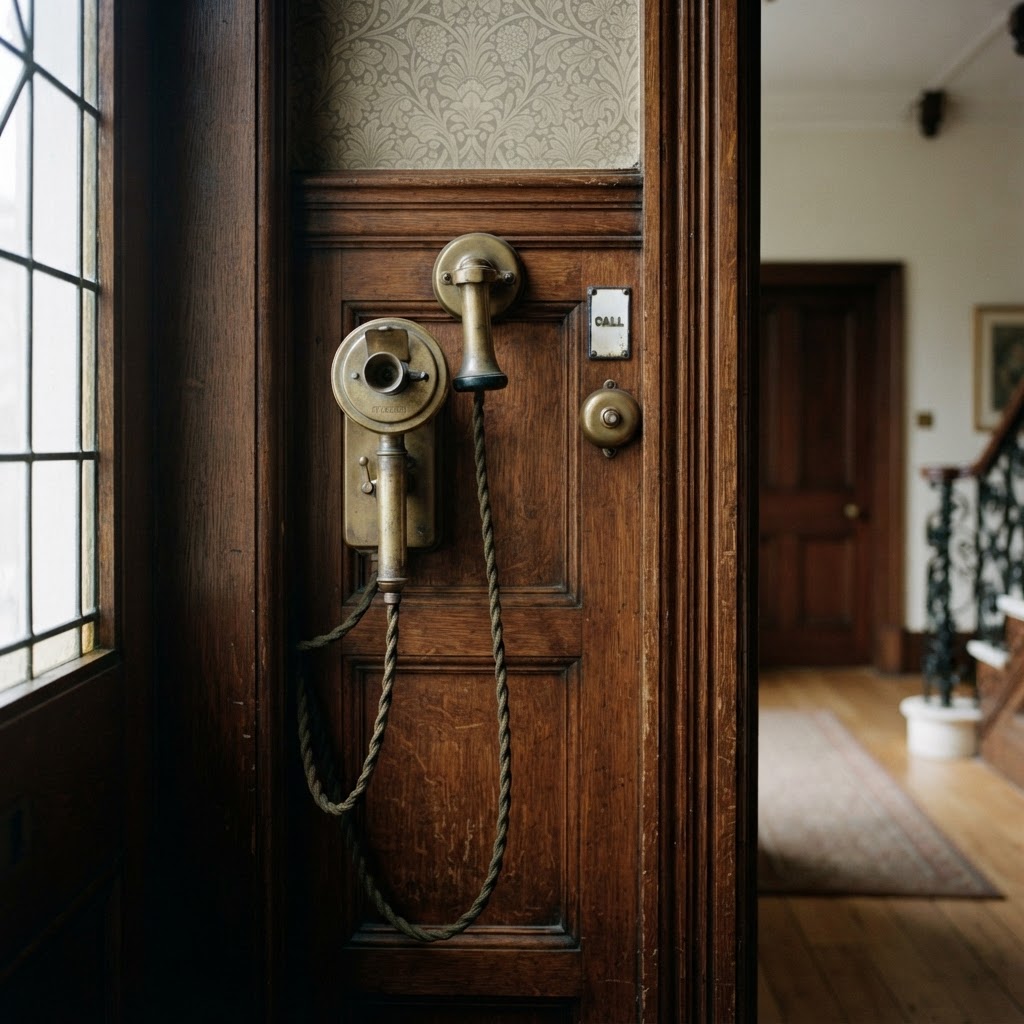
Speaking Tubes: The Victorian Intercom System in Old Homes
Speaking tubes were the original whole-home communication system, letting Victorian homeowners talk between floors without raising their voice. Discover the history, purpose, and modern potential of this fascinating architectural relic.
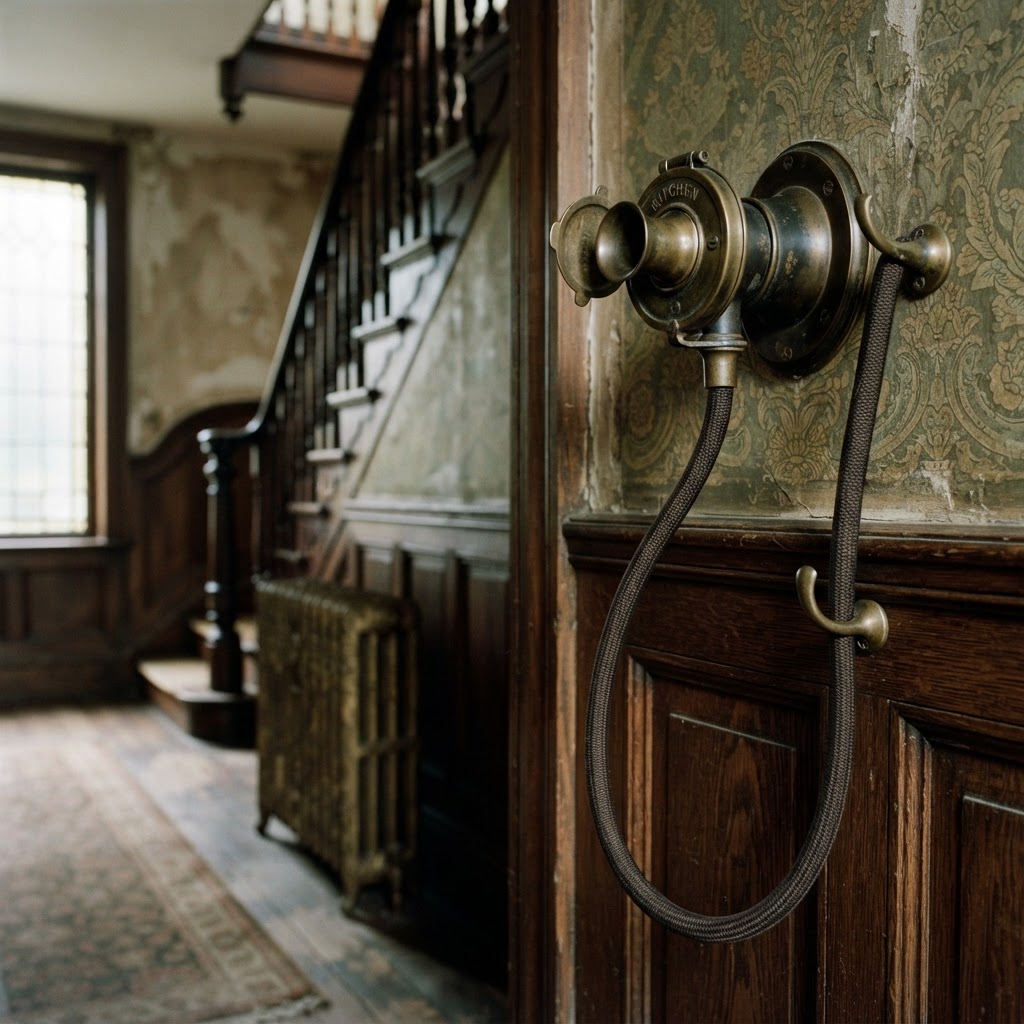
Speaking Tubes: The Victorian Smart Home Intercom System
Before intercoms and smartphones, Victorian homes used speaking tubes to communicate between floors. Discover the history, function, and modern potential of this fascinating architectural relic.
Speaking Tubes: The Victorian Intercom Hidden in Your Walls
Speaking tubes were the original home intercom system, letting residents of grand Victorian and Edwardian homes communicate across floors without raising their voices. Discover the history, function, and modern potential of this fascinating architectural relic.