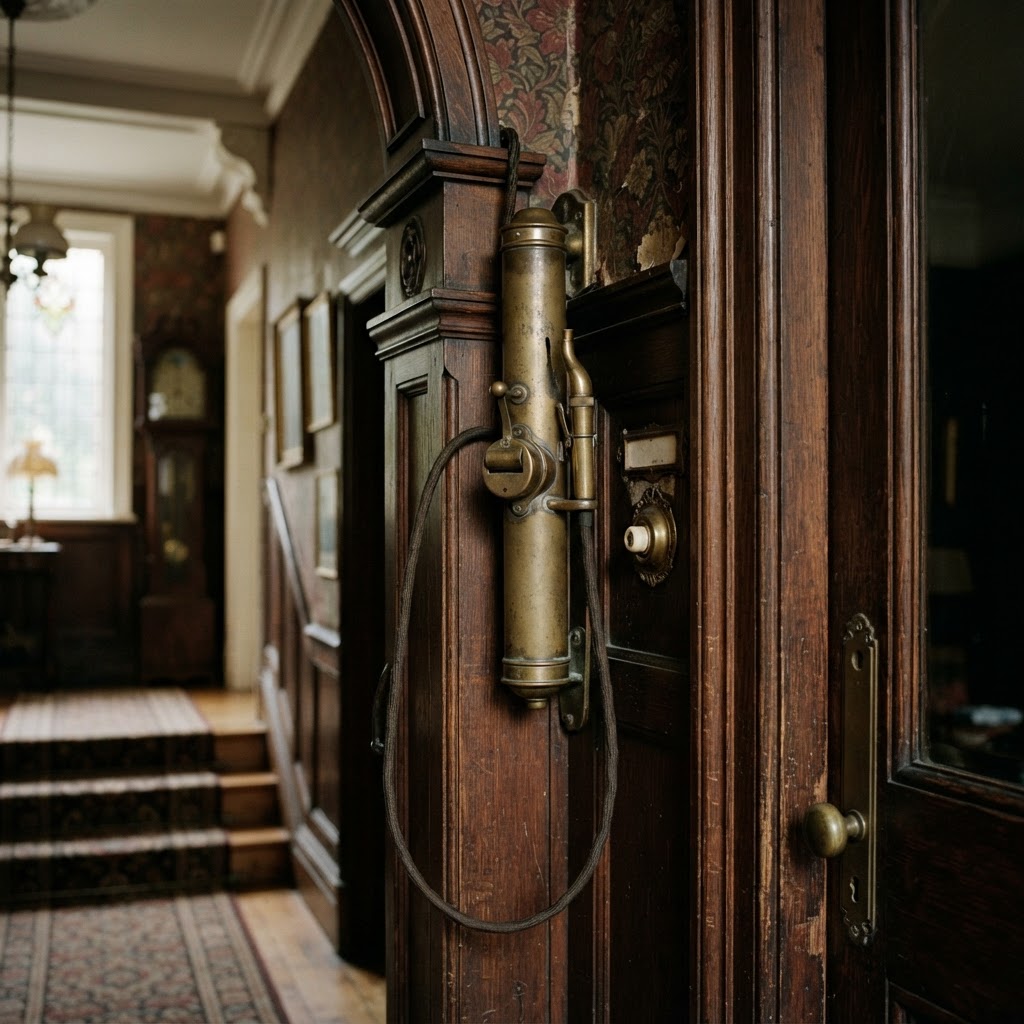
Speaking Tubes: The Victorian Smart Home Feature You Forgot
Before intercoms, wealthy homeowners used speaking tubes to communicate across floors and rooms. Discover the history, purpose, and modern potential of this forgotten architectural gem.
What Exactly Is a Speaking Tube?
If you've ever explored an older Victorian or Edwardian home and noticed a small brass fixture mounted on the wall — often with a whistle or mouthpiece attached — you may have stumbled across a speaking tube. These were simple but ingenious communication systems made from narrow metal or rubber pipes running through the walls and floors of a home, connecting key rooms like the kitchen, parlor, master bedroom, and servant quarters.
The concept is deceptively simple: you blow into the tube to sound a whistle at the other end, alerting the person there to listen, then speak clearly into the mouthpiece. Sound travels remarkably well through enclosed pipes, making conversation possible across multiple floors without raising your voice or leaving your room. No electricity required, no batteries, no Wi-Fi — just physics.
Speaking tubes date back as far as the 1600s in Europe, but they reached peak popularity in upper- and middle-class homes during the Victorian and Edwardian eras, roughly 1840 through 1910. Ships, hospitals, and office buildings also made extensive use of them well into the early twentieth century.
Why Did Older Homes Have Them?
The primary driver was household management. Wealthy families of the era employed domestic servants — cooks, housemaids, butlers, and nannies — who worked in separate areas of the home, often in basement kitchens or attic nurseries. Calling out across a large townhouse or country estate was undignified and impractical. Speaking tubes offered a discreet, efficient solution.
Beyond servant communication, speaking tubes also connected a home's formal entertaining spaces. A host in the dining room could quietly alert the kitchen that the next course should be served, maintaining the seamless presentation that upper-class dinner parties demanded. In some homes, tubes ran from the master bedroom directly to the kitchen so the lady of the house could place her morning tea order without dressing first.
Architecturally, the tubes were typically installed during original construction, routed through wall cavities alongside pipes and structural framing. Because they required no power source, they were incredibly reliable. Maintenance was minimal — occasionally the whistle mechanism needed cleaning or the rubber mouthpiece required replacing.
What Eventually Replaced Them?
The decline of speaking tubes came in two waves. First, electric servant call bells and buzzer systems, which became affordable for middle-class homes by the 1890s, began replacing tubes in new construction. These push-button systems were even more convenient and could signal specific rooms with coded rings.
The second and final blow came with the widespread adoption of household telephones and, later, electric intercoms in the mid-twentieth century. By the 1950s, speaking tubes were firmly a thing of the past in residential settings, though marine and industrial applications persisted longer. Many tubes in existing homes were simply sealed over during renovations, hidden behind new plaster or drywall, their brass fittings removed or painted over.
What Should You Do If Your Home Still Has One?
Finding intact speaking tubes in an older home is a genuine architectural treasure. Preservationists and historic home enthusiasts consider them significant period details worth protecting. Before undertaking any renovation that might disturb interior walls, it's worth having a historic home specialist or experienced contractor assess whether speaking tube infrastructure still exists behind your plaster walls.
If you have exposed or accessible speaking tube fixtures, resist the urge to remove them. Original brass mouthpieces and whistle caps can be carefully cleaned with metal polish and restored to working condition. Many homeowners are surprised to discover their tubes still function perfectly after a century of dormancy — the pipes are simply hollow metal, with nothing to wear out.
For the practically minded, speaking tubes can actually be repurposed in clever ways. Some homeowners use existing tube runs as conduit pathways for running new low-voltage wiring, speaker cables, or even ethernet lines between floors without opening walls. Others restore them purely as a novelty and conversation piece, delighting guests with a fully functional Victorian intercom.
Speaking tubes represent the ingenuity of an era that solved everyday problems with elegant simplicity. In a home full of smart devices that require constant updates and troubleshooting, there's something quietly satisfying about a communication system that has worked flawlessly for over a hundred years.
More Historic Features
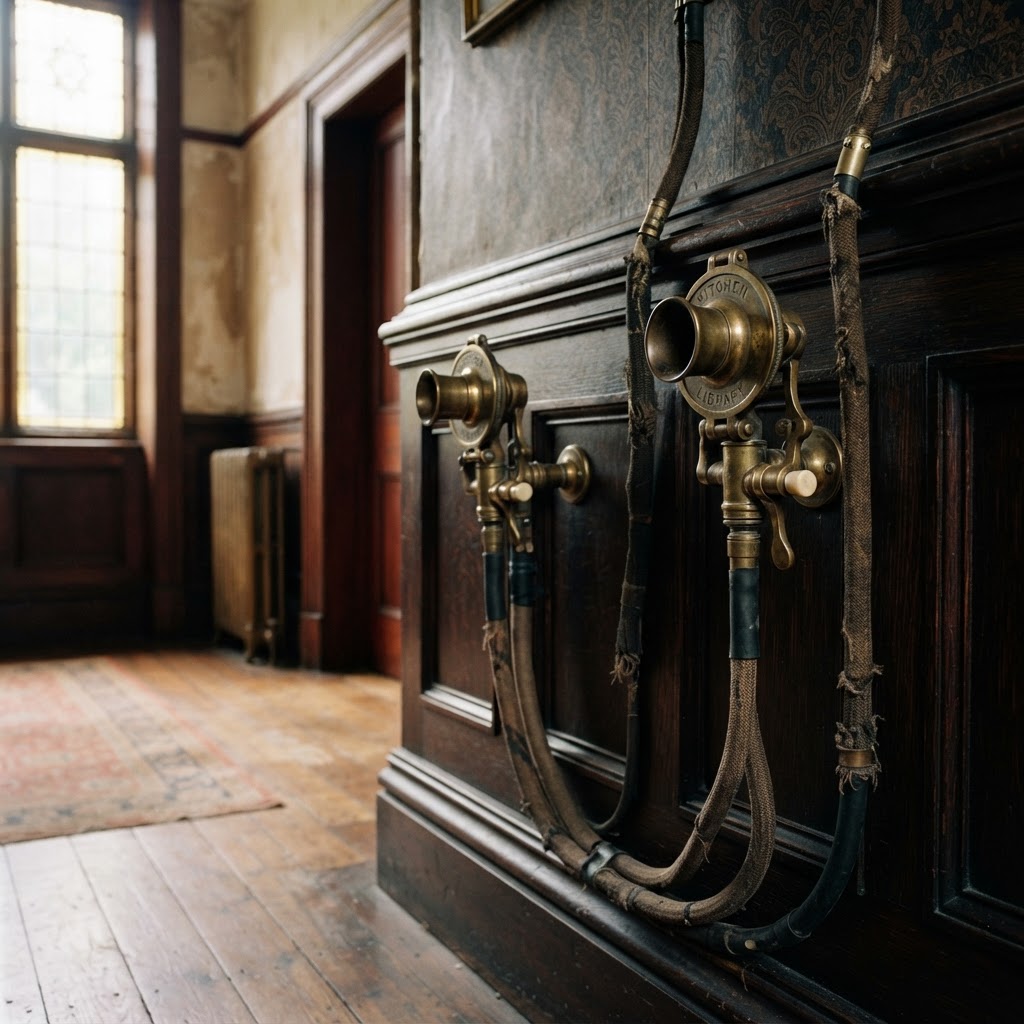
Speaking Tubes: The Victorian Smart Home Intercom System
Before intercoms and smartphones, speaking tubes let households communicate across multiple floors instantly. Discover the fascinating history of this forgotten Victorian feature and what to do if your older home still has one.
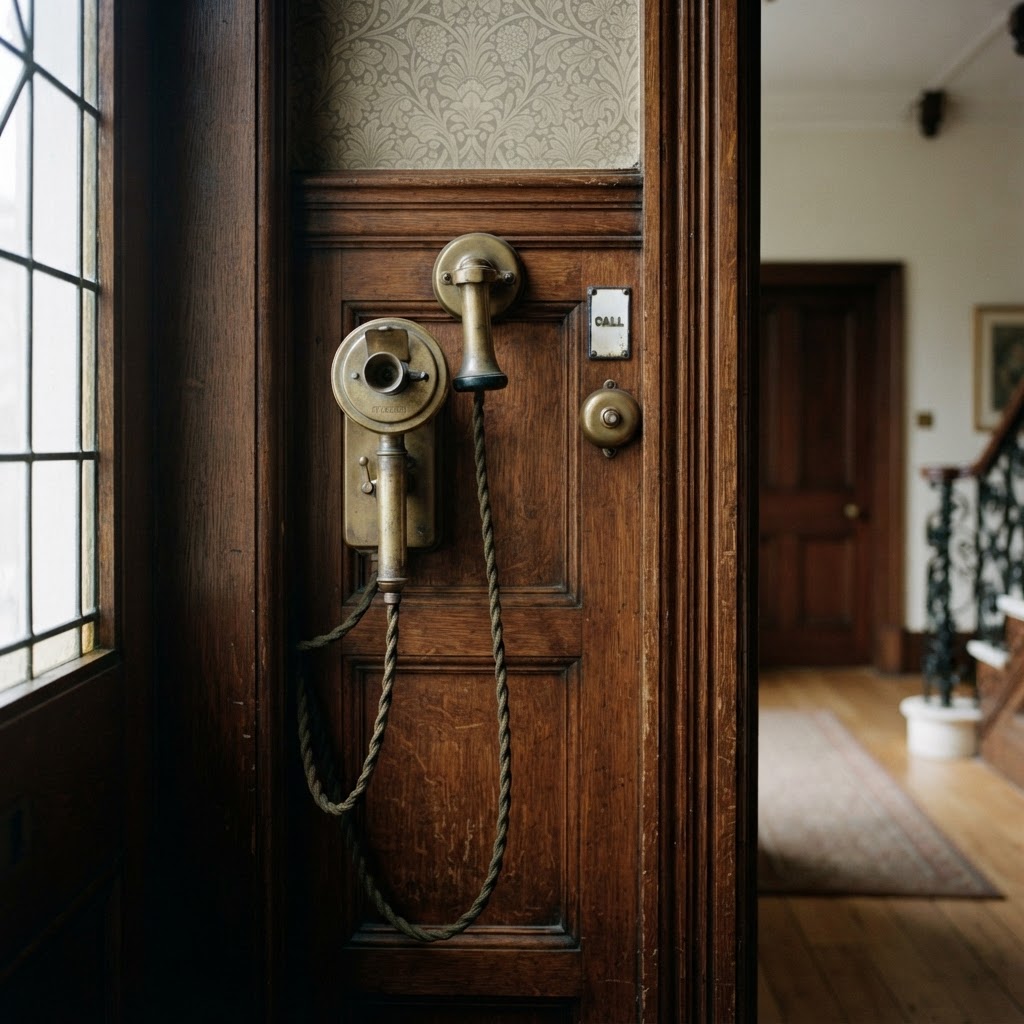
Speaking Tubes: The Victorian Intercom System in Old Homes
Speaking tubes were the original whole-home communication system, letting Victorian homeowners talk between floors without raising their voice. Discover the history, purpose, and modern potential of this fascinating architectural relic.
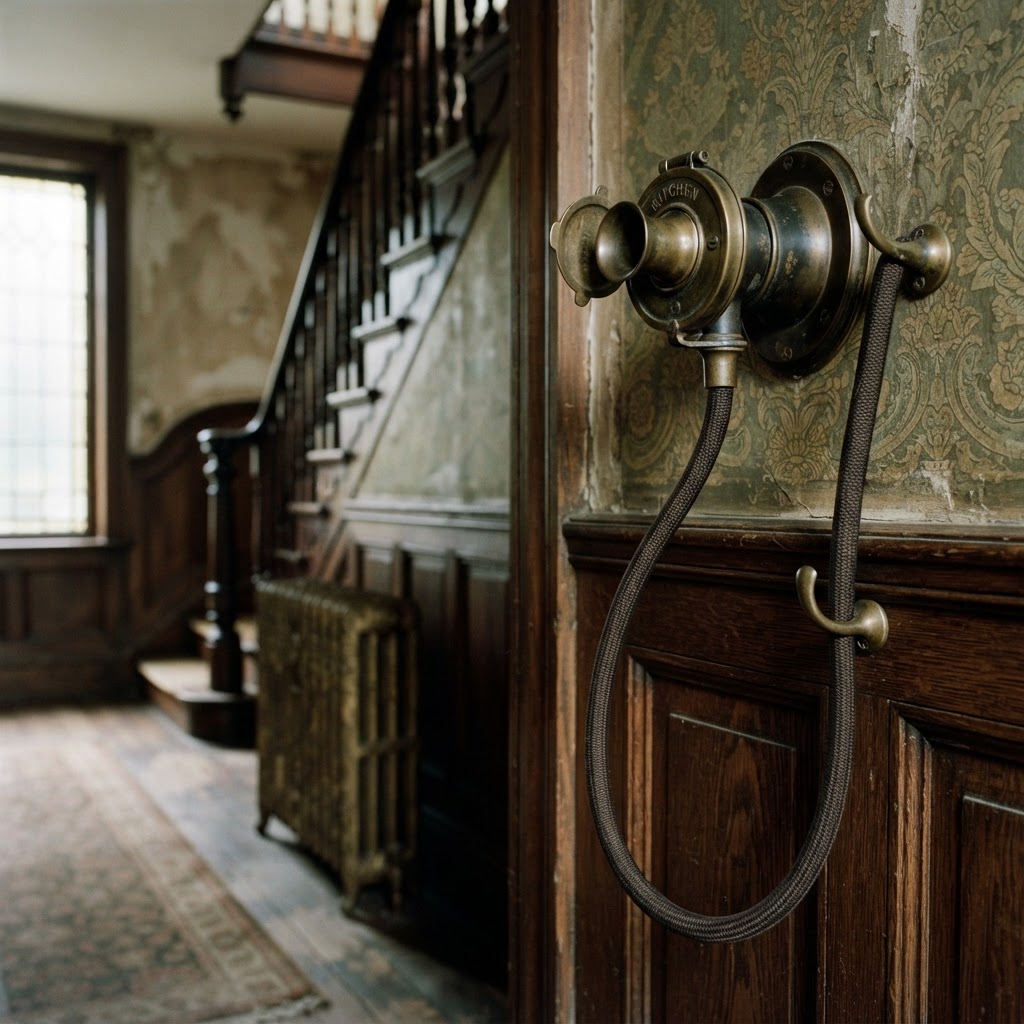
Speaking Tubes: The Victorian Smart Home Intercom System
Before intercoms and smartphones, Victorian homes used speaking tubes to communicate between floors. Discover the history, function, and modern potential of this fascinating architectural relic.
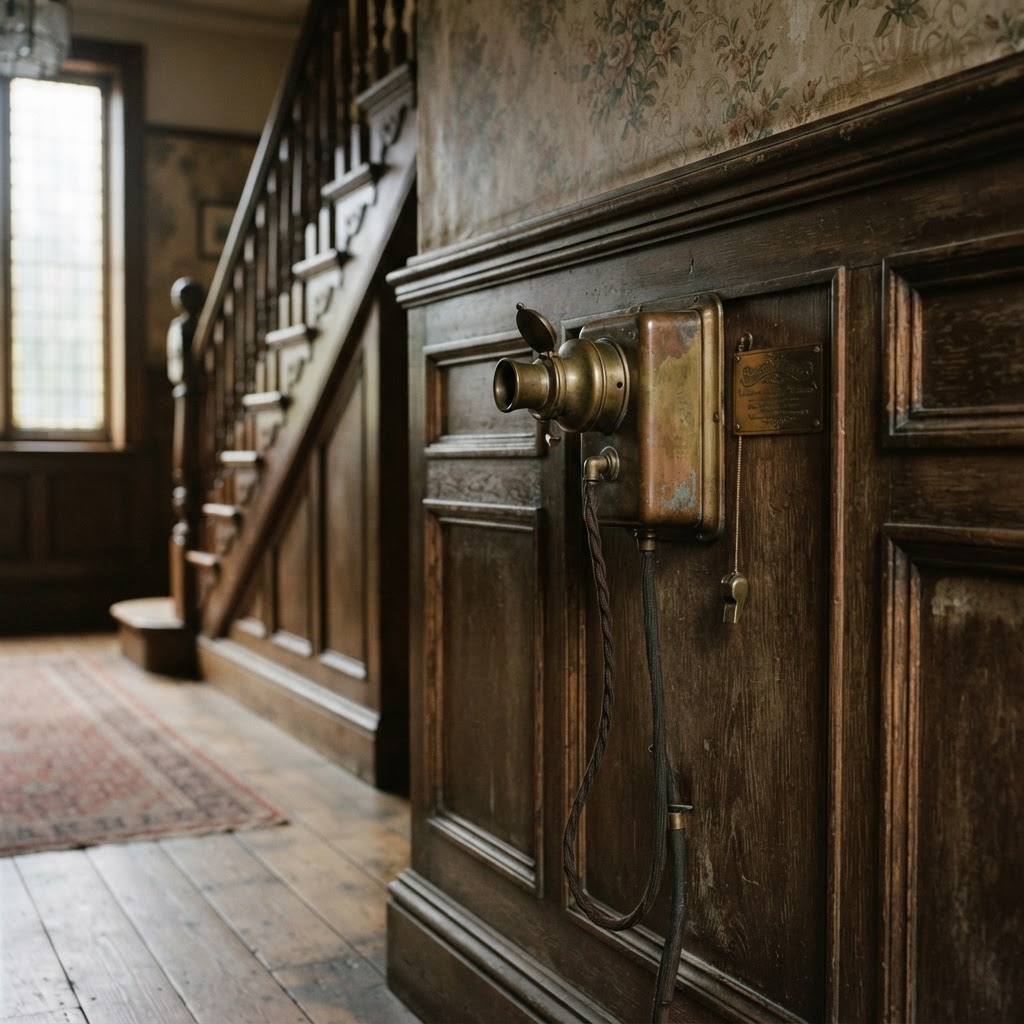
Speaking Tubes: The Victorian Intercom Hidden in Your Walls
Speaking tubes were the original home intercom system, letting residents of grand Victorian and Edwardian homes communicate across floors without raising their voices. Discover the history, function, and modern potential of this fascinating architectural relic.