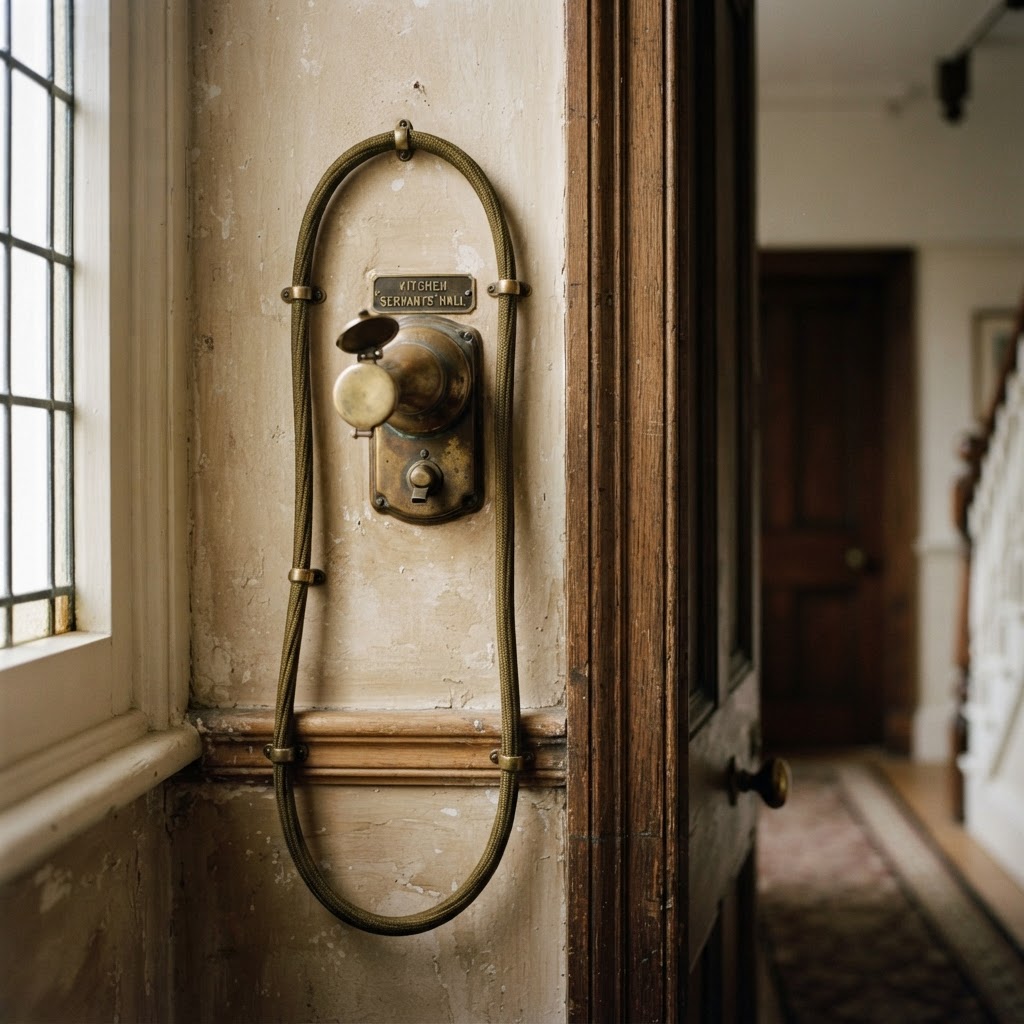
Speaking Tubes: The Victorian Smart Home Feature You Forgot
Before intercoms and smartphones, Victorian homes used speaking tubes to communicate between floors. Discover the history, purpose, and modern potential of this forgotten architectural gem.
What Exactly Is a Speaking Tube?
If you've ever explored an older home and noticed small brass fittings mounted into the wall — often with a little cap or whistle attached — you may have stumbled across one of the most ingenious low-tech communication systems ever installed in a residence: the speaking tube. These were narrow pipes, typically made of tin or brass, that ran through the walls and floors of a home, connecting rooms on different levels or in different wings. By removing the cap and speaking directly into the opening, your voice would travel through the tube and emerge clearly at the other end.
Speaking tubes weren't some crude workaround. In their day, they were considered a mark of a well-appointed, modern household. The fittings were often beautifully crafted in polished brass, sometimes shaped like small trumpets or mounted with decorative escutcheons. Some systems included a pea whistle at each end — you'd blow into the tube first to alert the person at the other end that a message was coming, much like ringing before a call.
The Historical Era and Purpose
Speaking tubes reached peak popularity between roughly 1850 and 1920, particularly in upper-middle-class and wealthy Victorian and Edwardian homes. Their primary purpose was household management — specifically, allowing the family occupants on the main floors to communicate with domestic staff working in the kitchen, basement, or servants' quarters without shouting, climbing stairs, or waiting for a servant to appear.
In larger homes, an elaborate network of tubes might connect the master bedroom to the kitchen, the parlor to the butler's pantry, the nursery to the housekeeper's room, and even the front door to a central service area. Ships used similar systems to allow officers on the bridge to relay orders to the engine room, and the same technology was widely used in hospitals, hotels, and office buildings of the era.
The system required absolutely no electricity, no moving parts, and almost no maintenance. Sound waves simply travel efficiently through a sealed, rigid pipe — physics doing all the heavy lifting.
Why They Disappeared
Speaking tubes began falling out of favor in the early twentieth century for two related reasons: the rise of the electric servant call system and, shortly after, the household telephone. Electric bell and buzzer systems allowed a family member to press a button in any room to signal the kitchen or service areas, and the widespread adoption of residential telephone service in the 1910s and 1920s made room-to-room communication even easier.
By the time the Great Depression reshaped household staffing norms and middle-class homes became smaller and less formally arranged, speaking tubes were already a relic. Most were simply capped off and plastered over during renovations, though many survive intact behind the walls of older homes — silent, forgotten, and perfectly functional.
What to Do If Your Home Still Has One
Finding speaking tube fittings in your older home is genuinely exciting, and the good news is that they're rarely a cause for concern from a structural or safety standpoint. The tubes themselves are typically narrow — one to two inches in diameter — and pose no ventilation, pest, or fire hazard if properly capped at both ends.
If you're renovating and discover the tube network behind the walls, consider preserving it rather than removing it. The brass fittings alone are historically significant and can be restored and displayed as architectural details. If both ends of a tube run are still accessible and uncapped, you can actually test them — they frequently still work perfectly after a century of dormancy.
Some homeowners with a flair for historic restoration have made speaking tubes a fully functional feature again, using them between a home office and kitchen or between floors in a narrow townhouse. Children, unsurprisingly, are delighted by them.
From a resale and appraisal perspective, intact original speaking tube hardware is a desirable period detail that buyers of historic properties actively seek out. Document what you find, preserve the hardware carefully, and consult a historic preservation specialist before any renovation that might affect the tube runs.
Speaking tubes are a reminder that thoughtful design has always been about solving real human problems — and sometimes the old solutions are more elegant than anything that came after.
More Historic Features
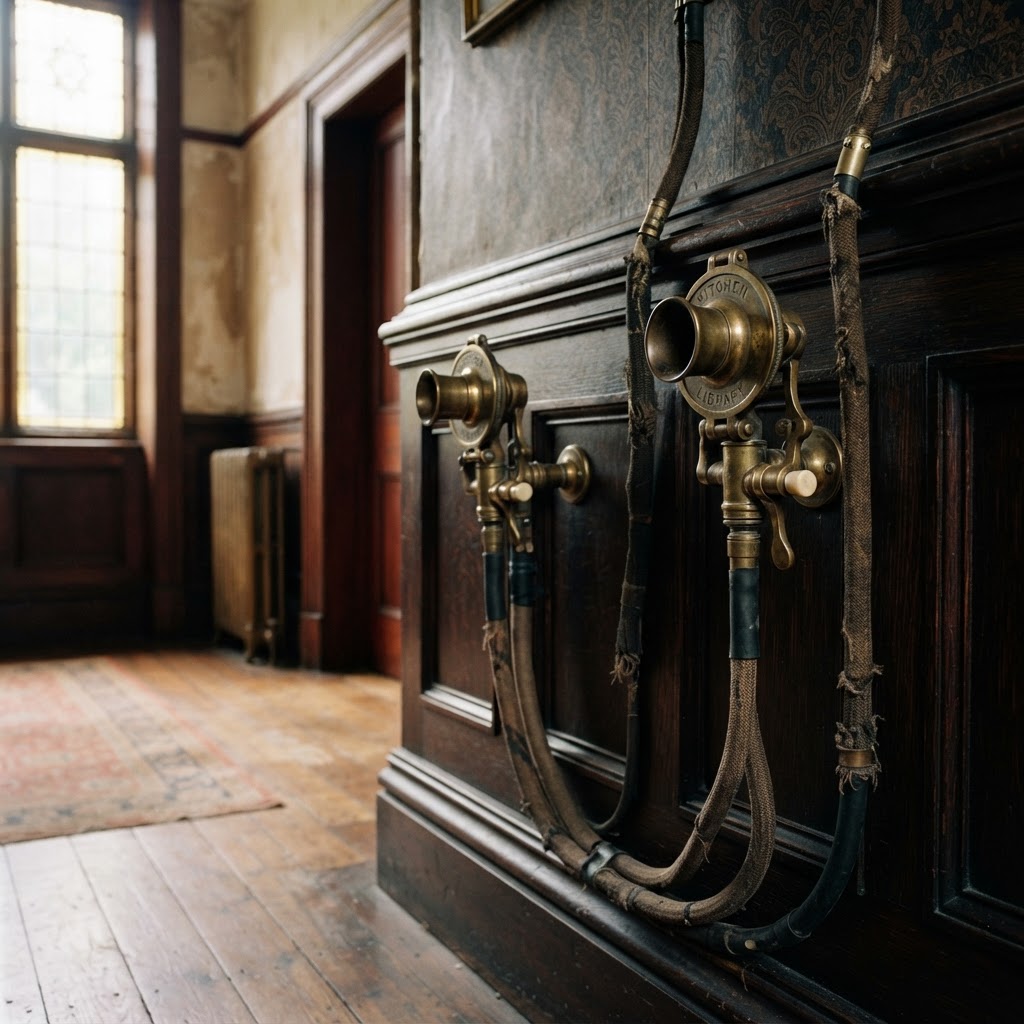
Speaking Tubes: The Victorian Smart Home Intercom System
Before intercoms and smartphones, speaking tubes let households communicate across multiple floors instantly. Discover the fascinating history of this forgotten Victorian feature and what to do if your older home still has one.
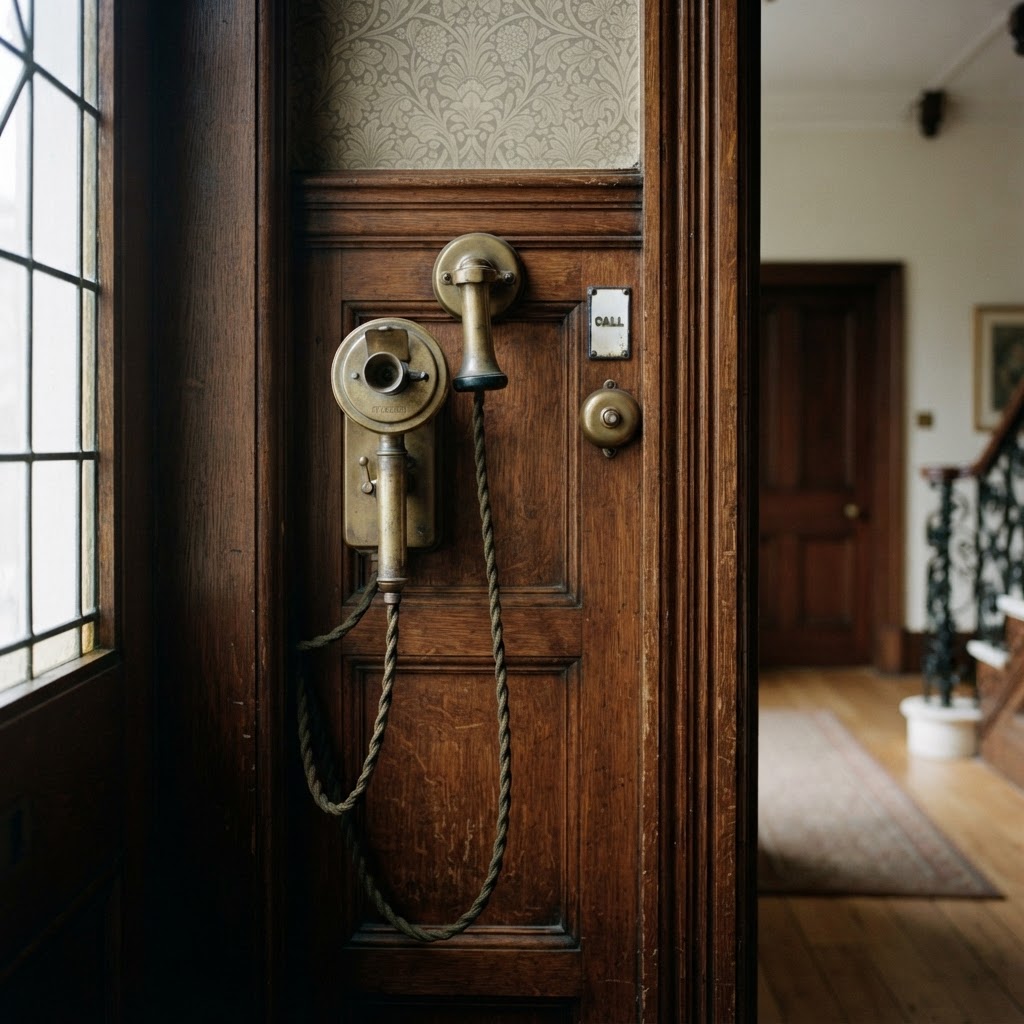
Speaking Tubes: The Victorian Intercom System in Old Homes
Speaking tubes were the original whole-home communication system, letting Victorian homeowners talk between floors without raising their voice. Discover the history, purpose, and modern potential of this fascinating architectural relic.
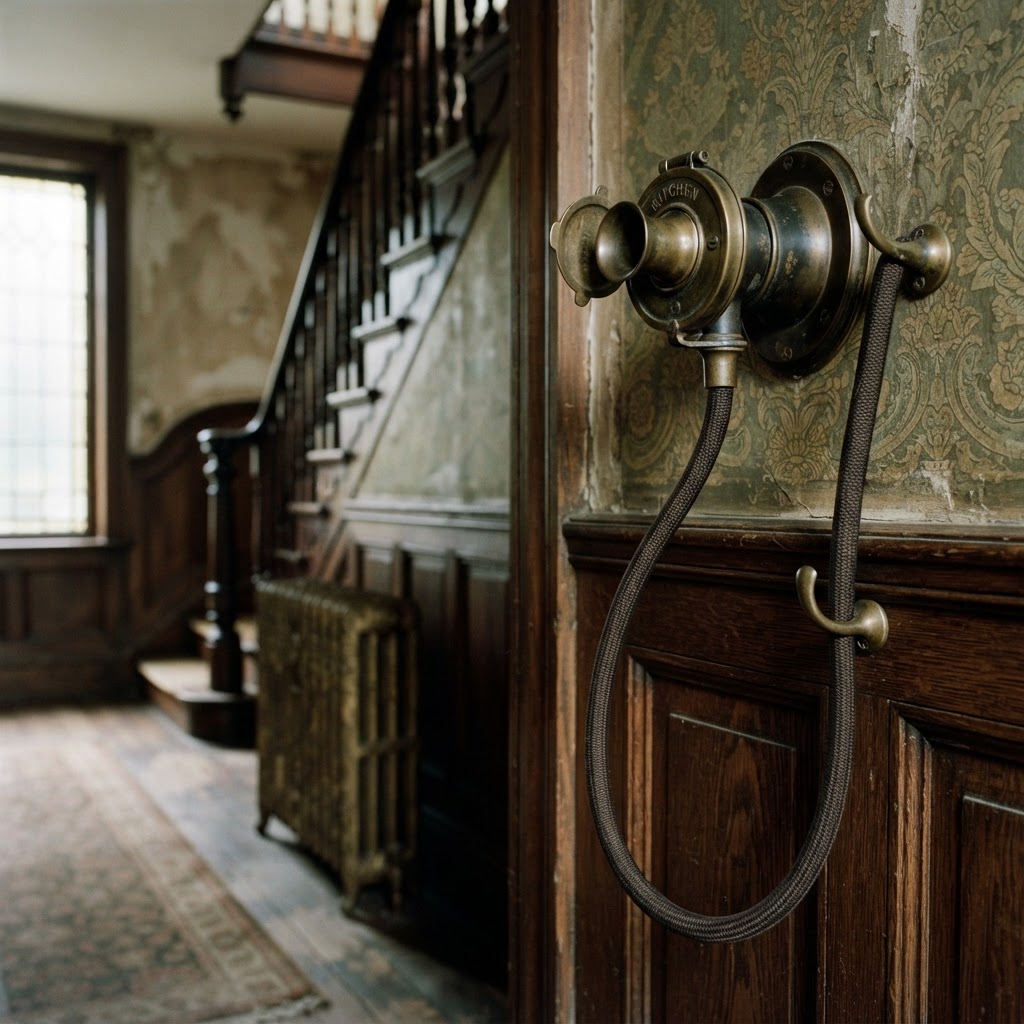
Speaking Tubes: The Victorian Smart Home Intercom System
Before intercoms and smartphones, Victorian homes used speaking tubes to communicate between floors. Discover the history, function, and modern potential of this fascinating architectural relic.
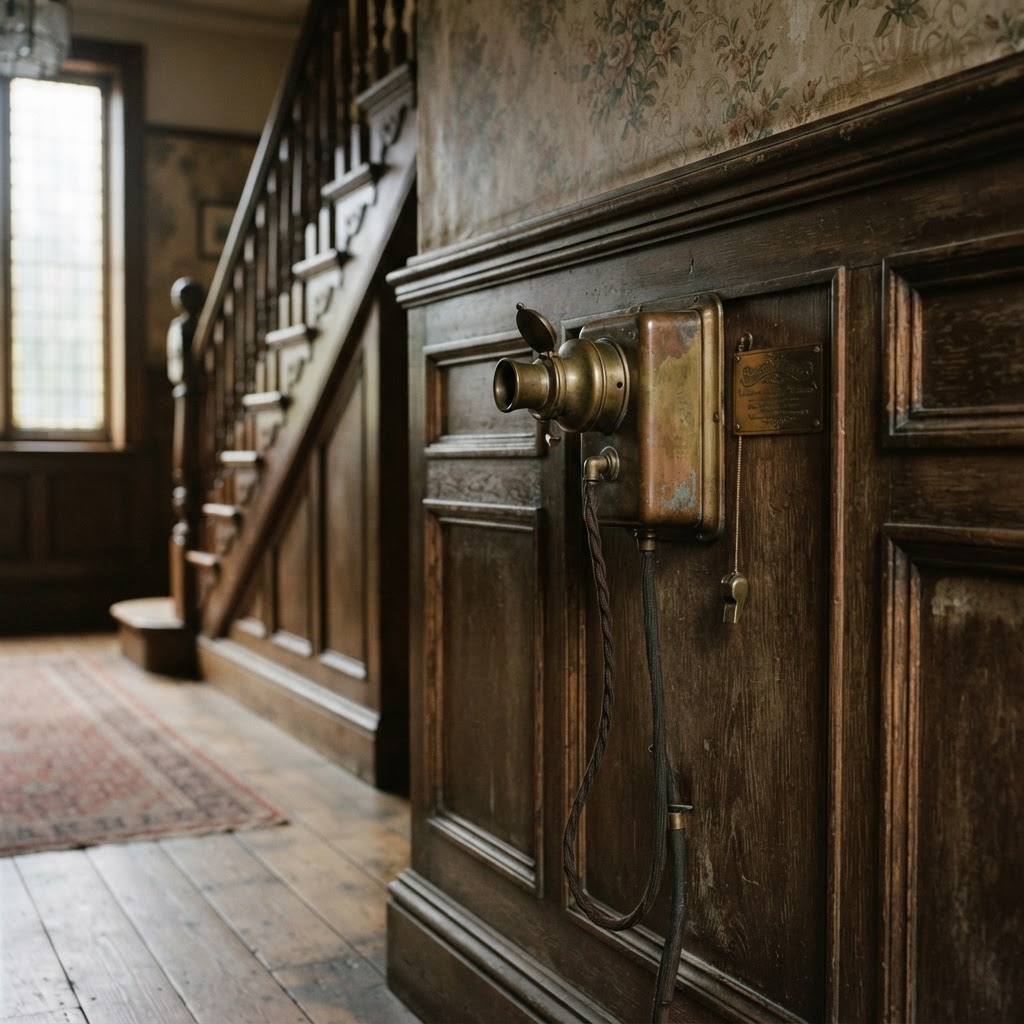
Speaking Tubes: The Victorian Intercom Hidden in Your Walls
Speaking tubes were the original home intercom system, letting residents of grand Victorian and Edwardian homes communicate across floors without raising their voices. Discover the history, function, and modern potential of this fascinating architectural relic.