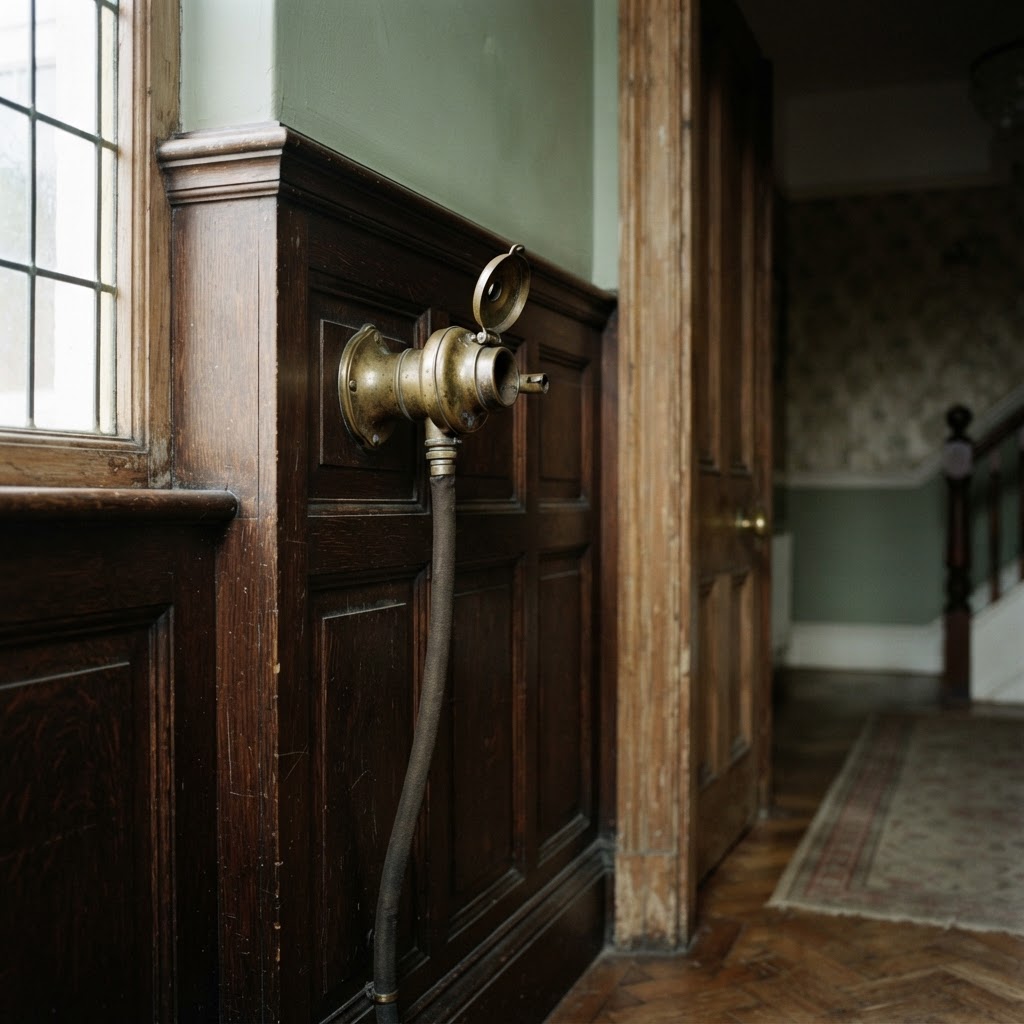
Speaking Tubes: The Victorian Smart Home Feature You Forgot
Before intercoms and smartphones, grand homes used speaking tubes to communicate across floors. Discover the history, purpose, and modern potential of this forgotten architectural gem.
What Exactly Is a Speaking Tube?
If you've ever explored an older Victorian or Edwardian home and noticed a small brass mouthpiece mounted near a doorframe or built into a kitchen wall, you may have stumbled upon one of history's most elegant low-tech communication systems: the speaking tube. These were narrow metal pipes — typically made from copper, brass, or tin — that ran through the walls and floors of a building, connecting rooms across multiple stories. A person would blow into one end to produce a whistling sound that alerted someone at the other end, then speak directly into the tube.
Speaking tubes were remarkably simple in design but surprisingly effective. Because sound travels efficiently through enclosed metal pipes, a normal speaking voice could carry clearly from a basement kitchen all the way to a third-floor master bedroom. Some systems even included a small whistle or pea-shaped plug to amplify the alert signal before conversation began.
The Historical Purpose and Era
Speaking tubes were widely installed in upper- and middle-class homes from roughly the 1850s through the early 1900s, with their peak popularity falling squarely in the Victorian and Edwardian eras. They were also common in ships, hospitals, government buildings, and factories long before that — the technology actually dates back to the early 18th century in maritime use.
In domestic settings, speaking tubes were primarily a tool of household management. Wealthy homeowners used them to communicate with servants without leaving their rooms. A tube might run from the dining room to the kitchen so a host could request the next course, or from a master bedroom to a housekeeper's quarters to call for morning tea. In an era when multi-story townhouses and country estates employed large domestic staffs, speaking tubes were the equivalent of an internal phone system — fast, reliable, and requiring no electricity whatsoever.
This last detail made them especially valuable. Speaking tubes required zero power, zero maintenance beyond occasional cleaning, and had no moving parts to break. They were installed during construction, plastered neatly into walls, and could last indefinitely.
Why They Disappeared
The decline of speaking tubes came swiftly once the telephone became affordable for domestic use in the early twentieth century. Electric servant call systems — which used buttons and indicator boards — had already begun replacing them in grander homes in the 1880s and 1890s. By the 1920s, speaking tubes were largely considered outdated technology, associated with an older, more formal style of domestic life that was rapidly fading alongside the servant class itself.
Household intercoms, first marketed to American homeowners in the 1950s and 1960s, finished the job. These electrically powered systems offered clearer sound, multiple stations, and a modern aesthetic. Today, smart home systems like Amazon Echo or Google Nest have taken intercom functionality to its logical digital conclusion — though none of them work during a power outage, something the humble speaking tube could always claim as an advantage.
What Homeowners Should Know Today
If your older home still has speaking tubes intact, consider yourself lucky. These features are genuinely rare survivors, and they add authentic period character that is nearly impossible to replicate. Before any renovation, have a contractor or preservation specialist identify where the tubes run through your walls — cutting into an active tube network carelessly can damage the system and create unexpected hollow channels that affect insulation or pest control.
Many speaking tube systems in older homes are still fully functional. A simple cleaning with a flexible brush to remove dust and debris is often all that's needed to restore them to working order. Some homeowners have lovingly restored their speaking tubes as functional conversation pieces, particularly in historic homes where period authenticity matters.
From a real estate standpoint, original speaking tubes are increasingly recognized as a desirable historic feature. Buyers interested in Victorian architecture, craftsman homes, or historic preservation frequently view intact original systems as a selling point rather than a quirk to remove.
Whether you restore yours for actual use, preserve it as decorative history, or simply learn its story, a speaking tube is a remarkable reminder that smart home technology is nothing new — it just used to run on physics instead of Wi-Fi.
More Historic Features
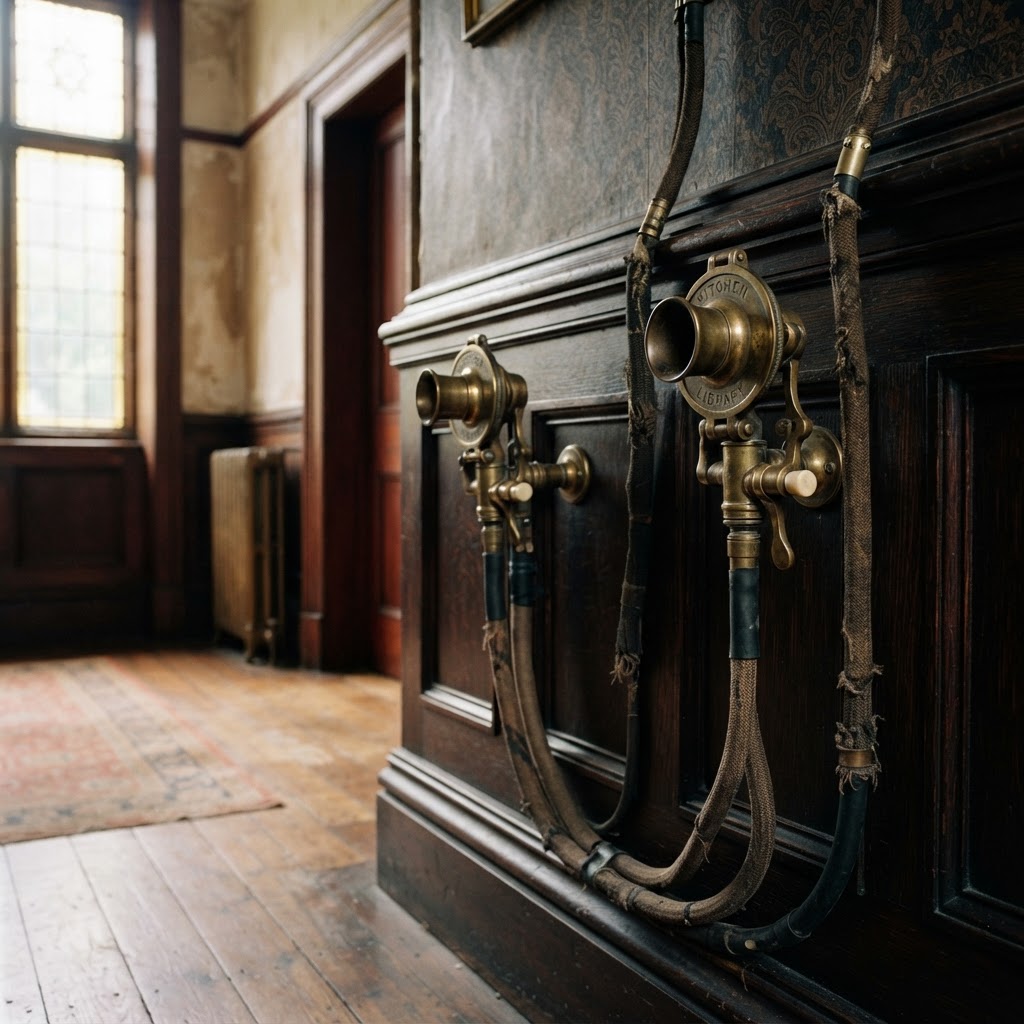
Speaking Tubes: The Victorian Smart Home Intercom System
Before intercoms and smartphones, speaking tubes let households communicate across multiple floors instantly. Discover the fascinating history of this forgotten Victorian feature and what to do if your older home still has one.
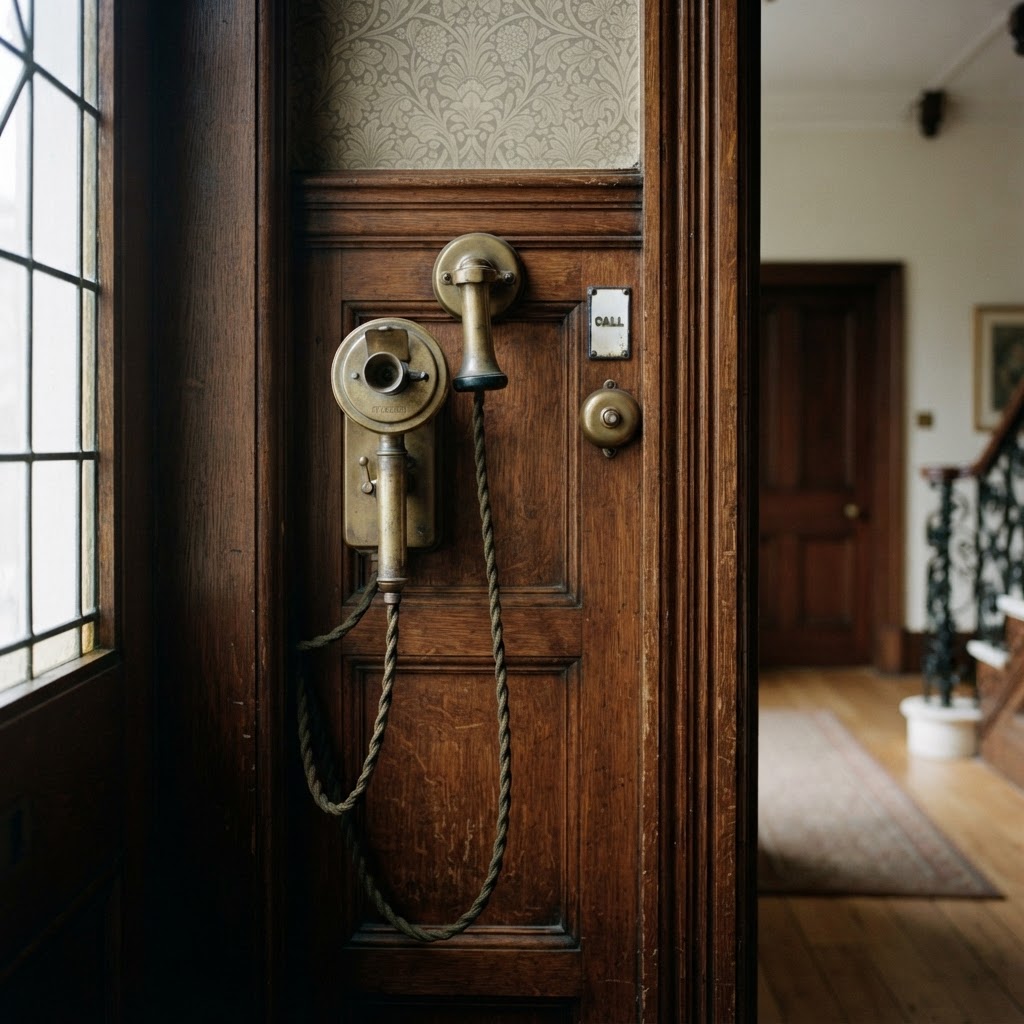
Speaking Tubes: The Victorian Intercom System in Old Homes
Speaking tubes were the original whole-home communication system, letting Victorian homeowners talk between floors without raising their voice. Discover the history, purpose, and modern potential of this fascinating architectural relic.
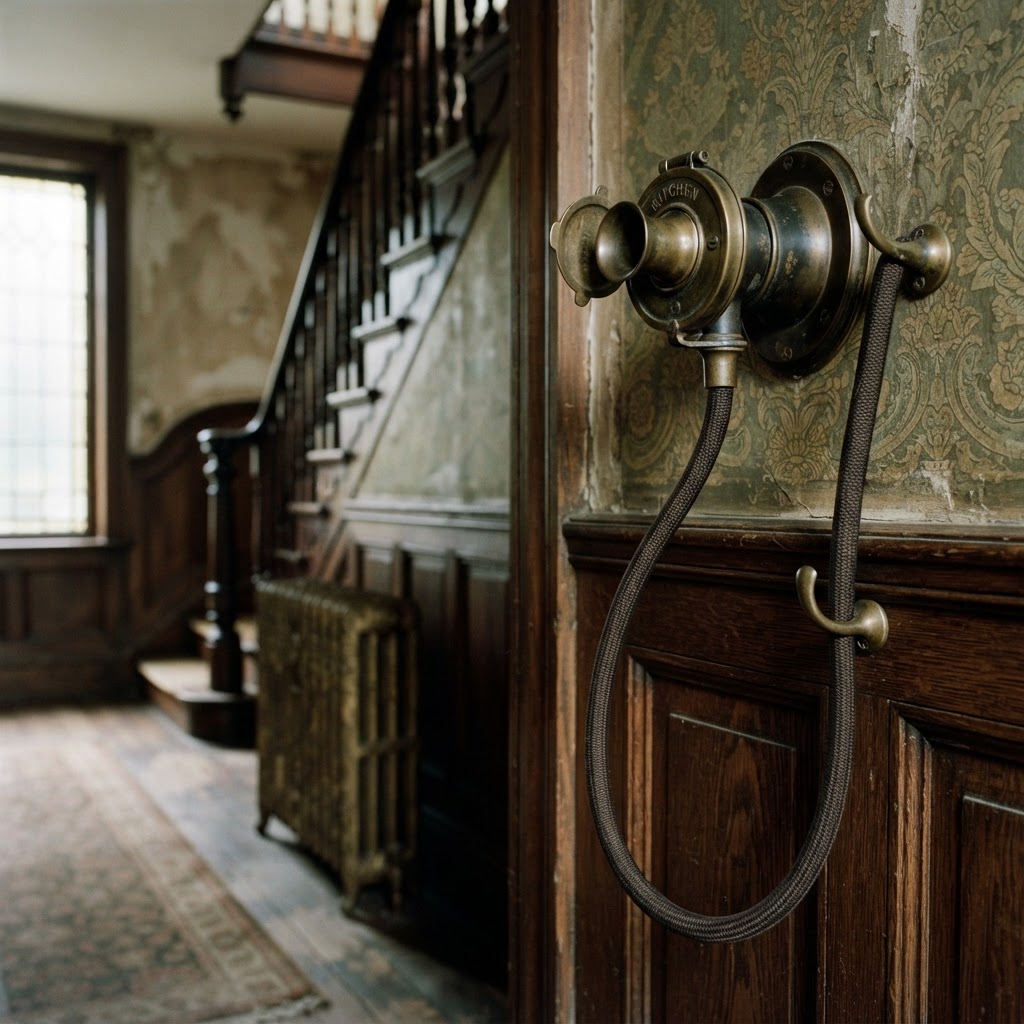
Speaking Tubes: The Victorian Smart Home Intercom System
Before intercoms and smartphones, Victorian homes used speaking tubes to communicate between floors. Discover the history, function, and modern potential of this fascinating architectural relic.
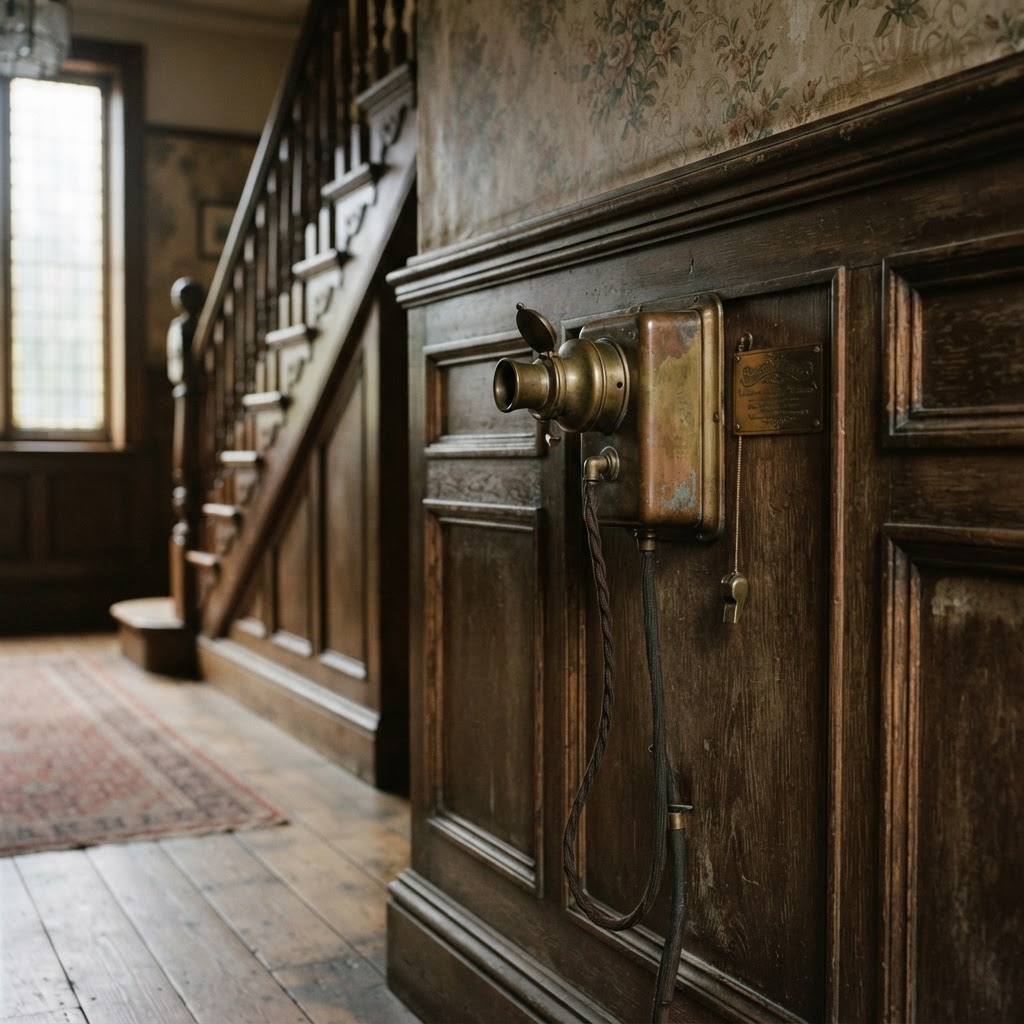
Speaking Tubes: The Victorian Intercom Hidden in Your Walls
Speaking tubes were the original home intercom system, letting residents of grand Victorian and Edwardian homes communicate across floors without raising their voices. Discover the history, function, and modern potential of this fascinating architectural relic.