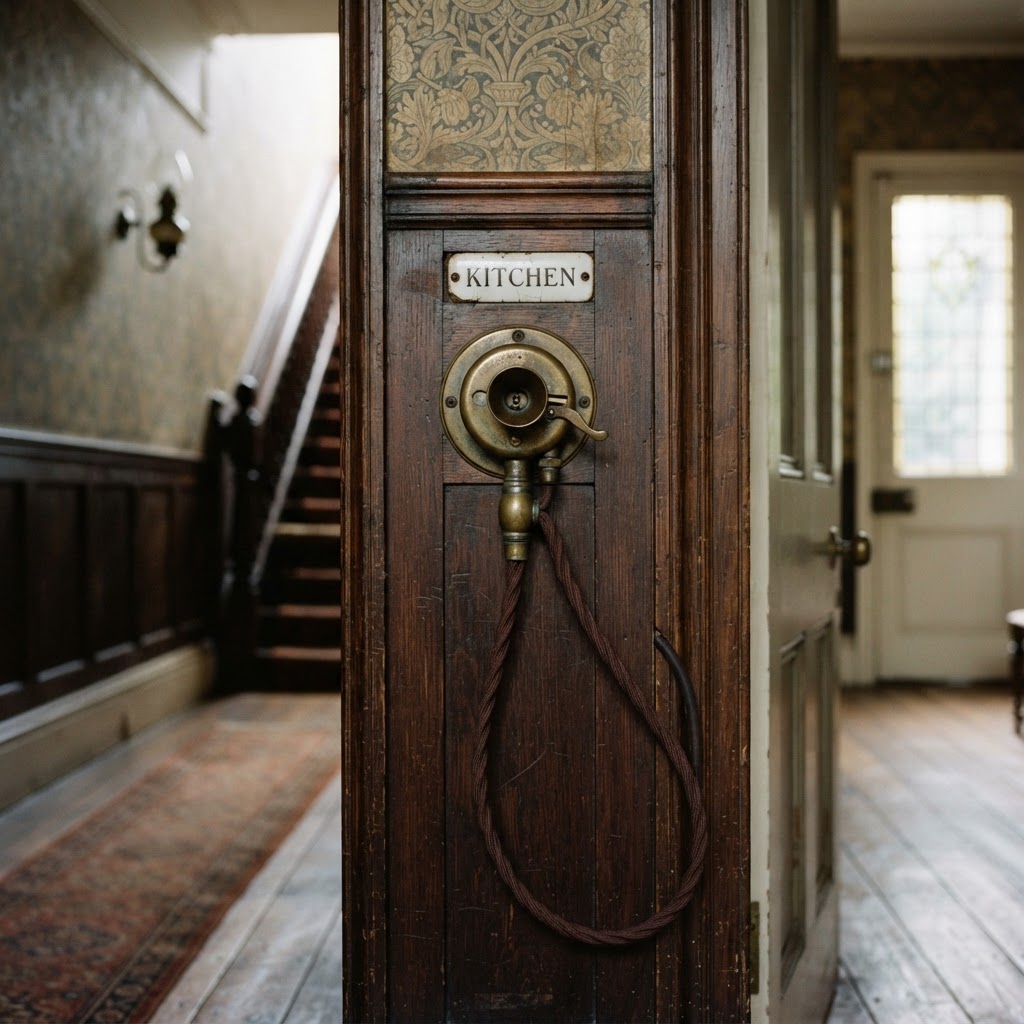
Speaking Tubes: The Victorian Smart Home Feature You Forgot
Before intercoms and smartphones, speaking tubes were the high-tech communication system built into elegant older homes. Discover their history, how they worked, and what to do if your home still has one.
What Exactly Is a Speaking Tube?
If you've ever explored an older Victorian or Edwardian home and noticed small brass fixtures mounted near doorframes or in the walls — sometimes capped with a whistle-like mouthpiece — you may have stumbled upon one of domestic history's most ingenious inventions: the speaking tube. These narrow hollow pipes, typically made of tin or lead and no wider than an inch or two in diameter, ran through the walls and floors of a home, connecting key rooms to allow voice communication between occupants and household staff.
The concept was elegantly simple. A person would remove the mouthpiece cap, blow into the tube to create a whistling sound at the other end, and then speak clearly into the opening. Sound waves traveled through the pipe with surprising clarity, delivering a message from the parlor to the kitchen or from the master bedroom down to the servants' quarters below. No electricity required — just physics and a bit of lung power.
The Era That Built Them
Speaking tubes were most common in homes built between roughly 1850 and 1920, particularly in larger upper-middle-class and wealthy residences in the United States and Britain. During this era, domestic servants were still a fixture of prosperous households, and efficient communication across multiple floors was not just a convenience — it was essential to running a smooth household.
Installing speaking tubes was actually considered a mark of modern sophistication. Architects routinely included them in blueprints alongside servant call bells and dumbwaiters, treating them as standard infrastructure. Ships, hospitals, office buildings, and even naval vessels used similar systems for the same reason: quick, reliable communication before electricity made other options possible.
By the 1920s and into the 1930s, the widespread adoption of electric intercoms, combined with the decline of live-in domestic staff, made speaking tubes increasingly obsolete. Homes grew smaller and more self-contained, and the need to summon a cook from three floors away simply faded from daily life.
Why Older Homes Still Have Them
Because speaking tubes were built directly into the walls and framing of a home, they were rarely removed during later renovations — it simply wasn't worth the effort. This means that if you own a home built before 1920, there's a genuine chance you have speaking tubes hiding inside your walls, capped off or plastered over, waiting to be rediscovered.
Historic homes in New England, the Mid-Atlantic states, and older urban neighborhoods across the country are particularly likely candidates. Brownstones, Queen Anne-style homes, foursquares, and grand Victorian farmhouses frequently featured them as standard amenities. Even some early Craftsman bungalows included modest tube systems connecting the kitchen to the front door — a practical solution for a housewife who didn't want to walk the full length of the home every time the bell rang.
What Homeowners Should Know Today
If you discover speaking tubes in your older home, the first thing to understand is that they are genuinely valuable — both historically and practically. Preservationists and architectural historians love them, and intact systems can add character and talking-point value to a home. Before you patch over that brass mouthpiece, consider whether restoration is possible.
Restoring a speaking tube system is surprisingly achievable. The tubes themselves are durable, and the main challenges are usually clearing debris or old insulation that may have crept in over decades. Specialty hardware suppliers and antique architectural salvage shops can often provide replacement mouthpieces or end caps if originals are missing or damaged.
From a practical standpoint, a functioning speaking tube is still a fully usable communication system — and a delightful one at that. Some homeowners use them as quirky novelty features; others find them genuinely useful in multi-story homes where shouting between floors isn't ideal.
If your speaking tubes are beyond repair or entirely inaccessible, document them before closing them off permanently. Photograph the fixtures, note their locations, and keep that history as part of your home's record. These small details are part of what makes older homes irreplaceable — a reminder that every era had its own version of staying connected.
More Historic Features
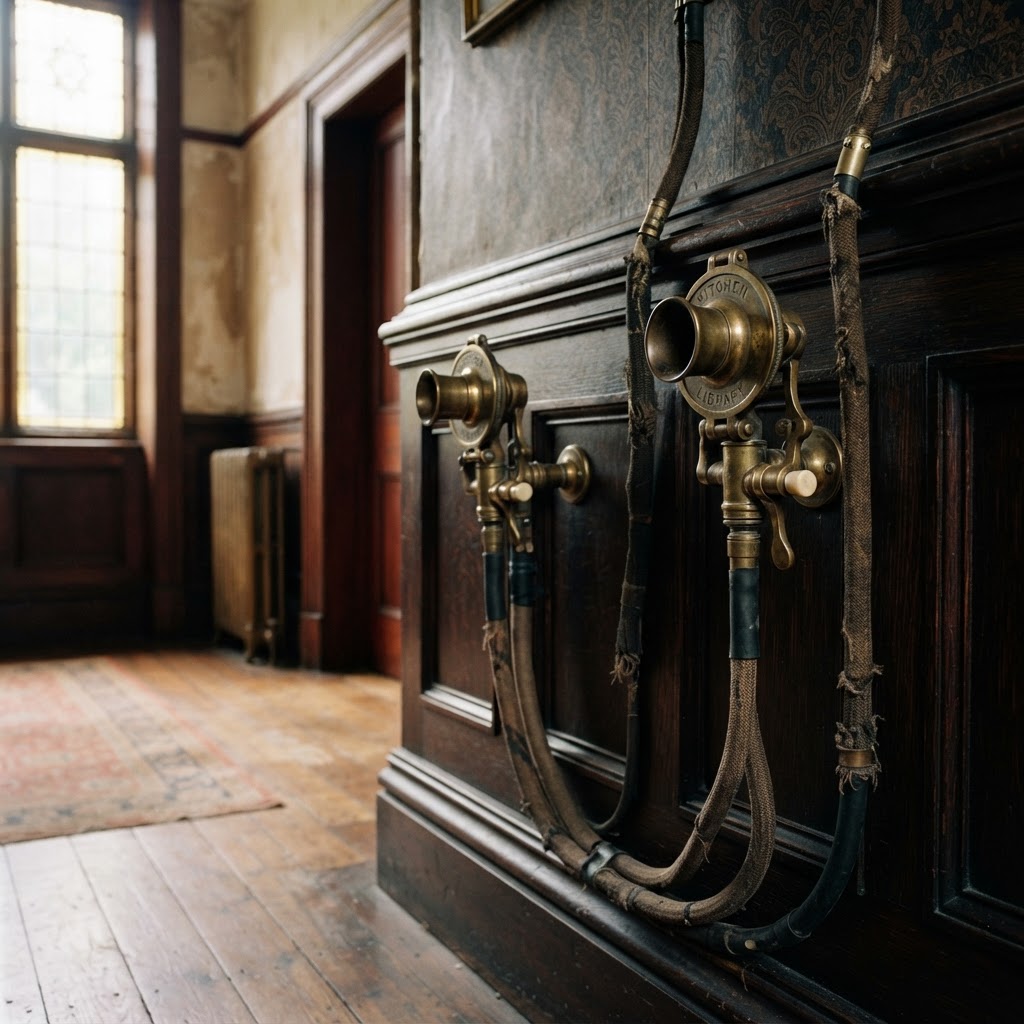
Speaking Tubes: The Victorian Smart Home Intercom System
Before intercoms and smartphones, speaking tubes let households communicate across multiple floors instantly. Discover the fascinating history of this forgotten Victorian feature and what to do if your older home still has one.
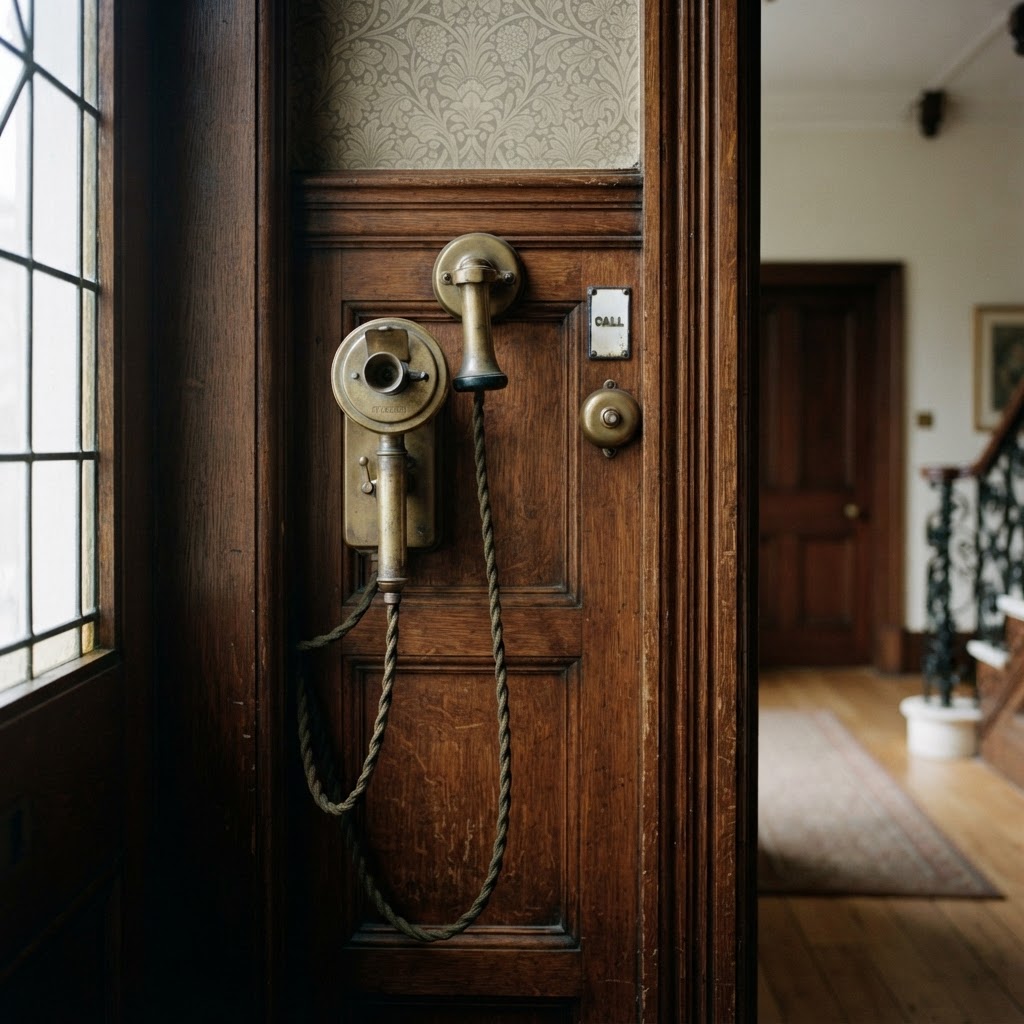
Speaking Tubes: The Victorian Intercom System in Old Homes
Speaking tubes were the original whole-home communication system, letting Victorian homeowners talk between floors without raising their voice. Discover the history, purpose, and modern potential of this fascinating architectural relic.
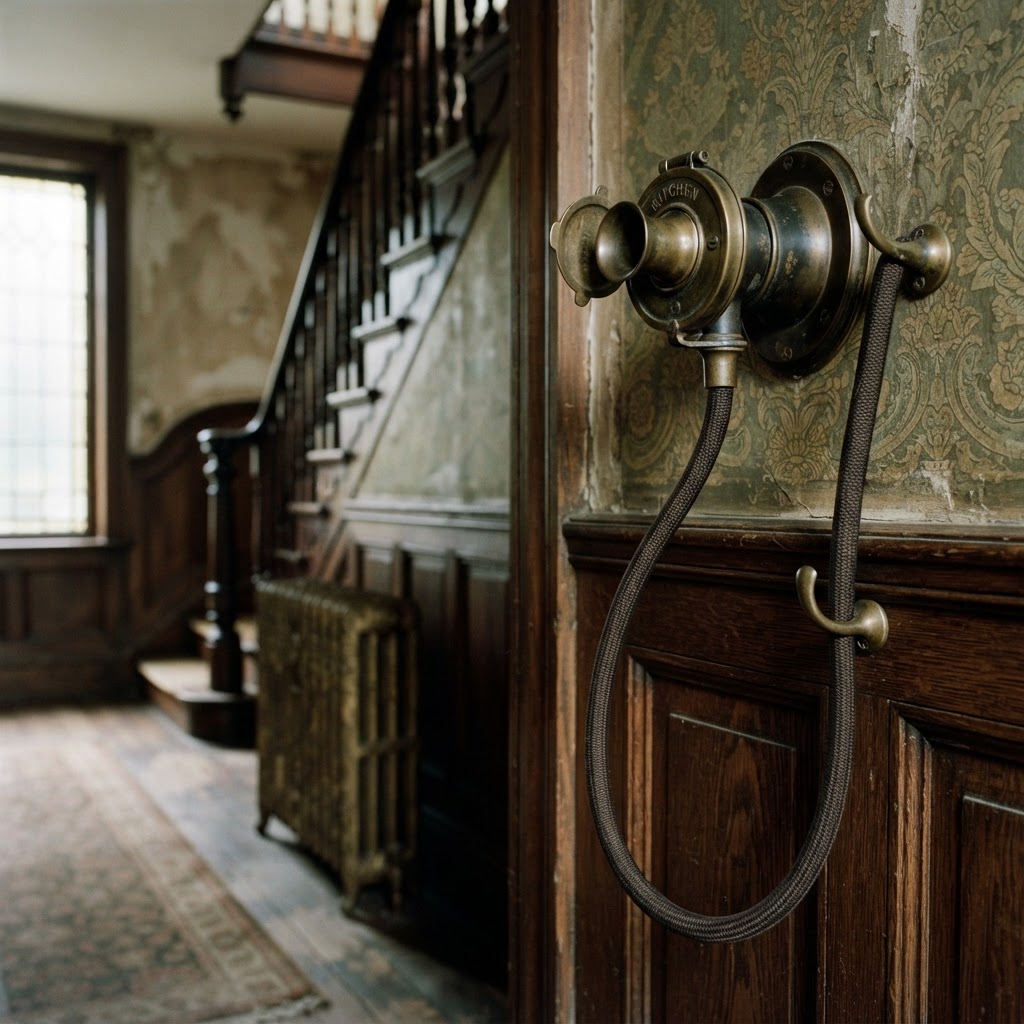
Speaking Tubes: The Victorian Smart Home Intercom System
Before intercoms and smartphones, Victorian homes used speaking tubes to communicate between floors. Discover the history, function, and modern potential of this fascinating architectural relic.
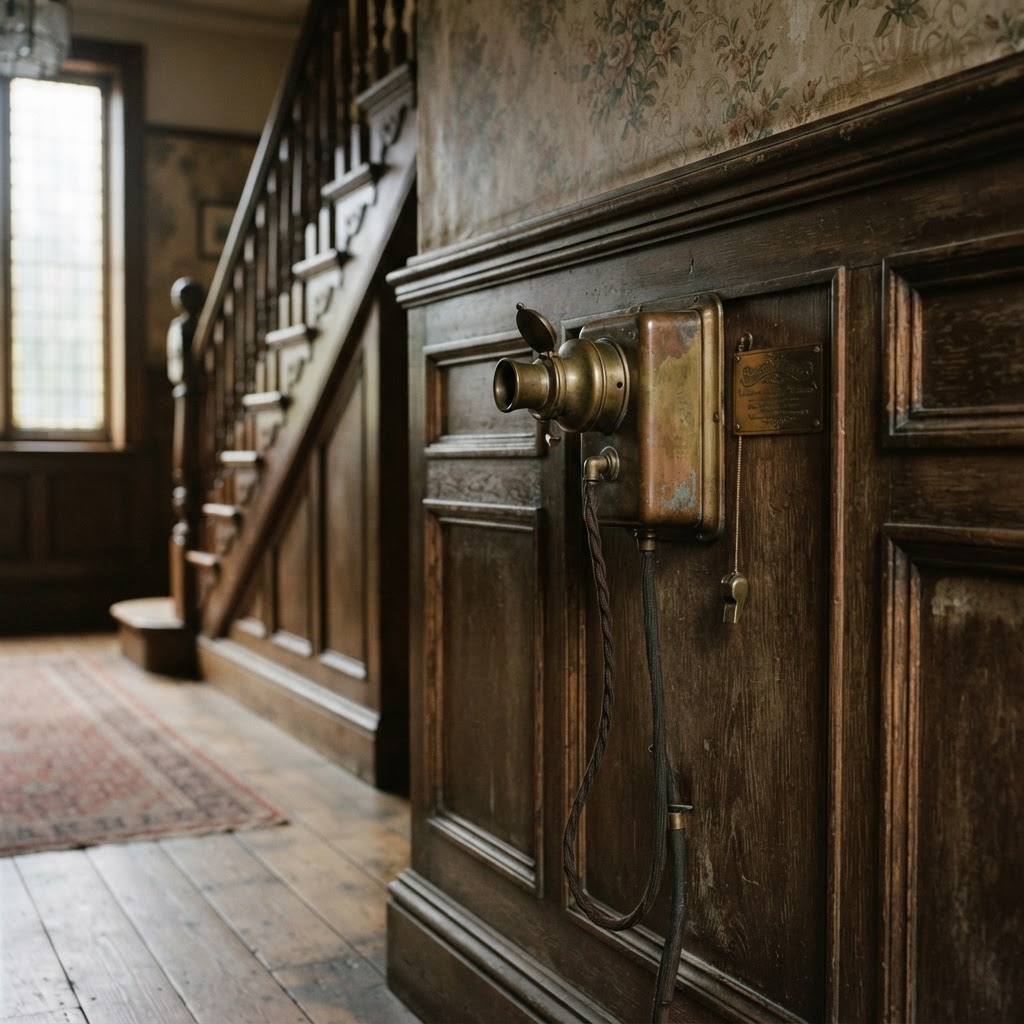
Speaking Tubes: The Victorian Intercom Hidden in Your Walls
Speaking tubes were the original home intercom system, letting residents of grand Victorian and Edwardian homes communicate across floors without raising their voices. Discover the history, function, and modern potential of this fascinating architectural relic.