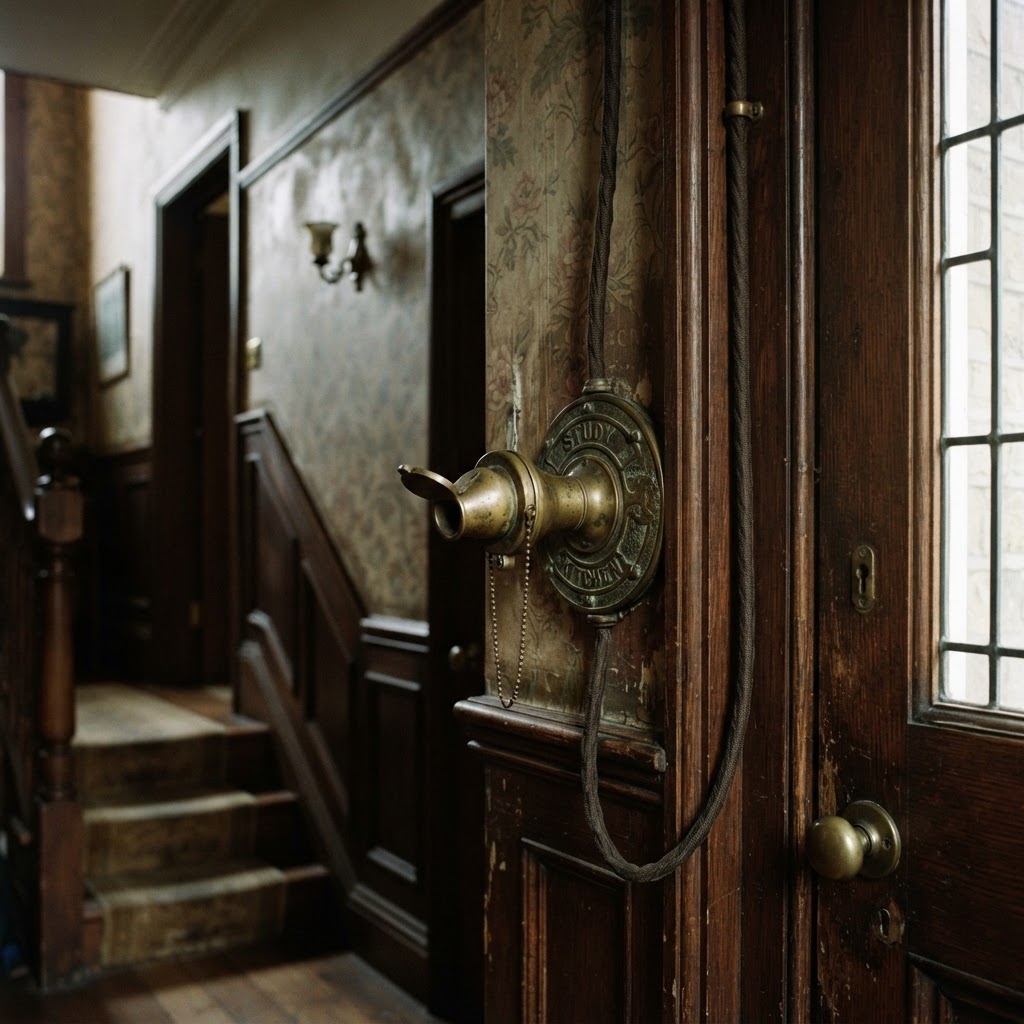
Speaking Tubes: The Victorian Smart Home Feature You Forgot
Before intercoms and smartphones, speaking tubes let households communicate across multiple floors instantly. Discover the fascinating history of this Victorian-era feature and what to do if your older home still has one.
What Exactly Is a Speaking Tube?
A speaking tube is exactly what it sounds like: a narrow pipe, typically made of brass or tin, that runs through the walls of a home to connect two or more rooms. By speaking directly into a mouthpiece at one end, your voice travels through the tube and emerges — surprisingly clearly — at the other end. No electricity required, no batteries to replace, no Wi-Fi signal needed.
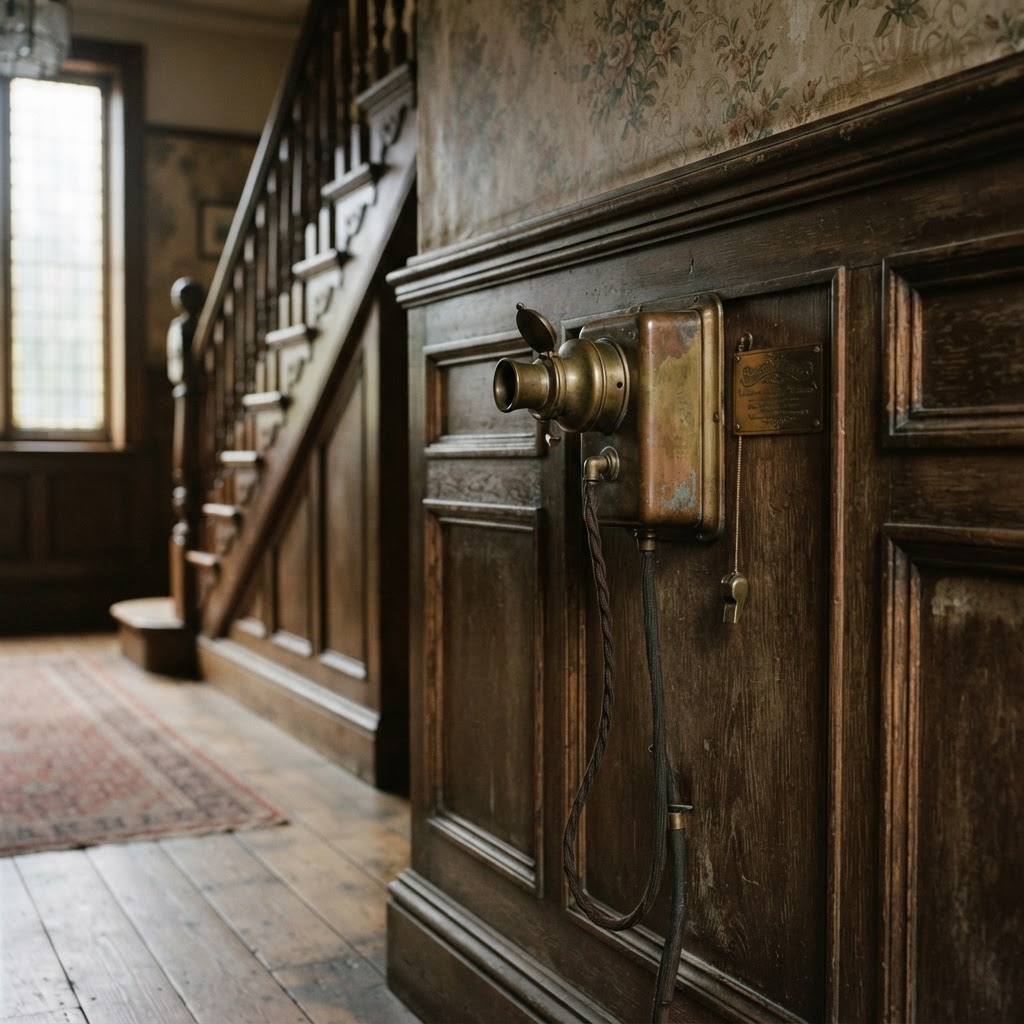
Most speaking tubes were fitted with small brass mouthpieces and sometimes included a whistle mechanism at each end. To get someone's attention, you'd blow into the tube, the whistle at the far end would trill, and the other person would know to put their ear to their own mouthpiece and listen. Simple, elegant, and remarkably effective.
The Historical Purpose and Era
Speaking tubes were widely installed in upper-class and upper-middle-class homes during the Victorian and Edwardian eras, roughly 1840 through 1920. They were also standard fixtures aboard ships, in hospitals, office buildings, and department stores well into the early twentieth century.
In a large home, the primary purpose was household management. A homeowner or family member on the upper floors could communicate directly with the kitchen, the servants' quarters, or the front door without shouting down a staircase. It was the intercom system of its day — and in many ways a surprisingly sophisticated one. Wealthy households might have an entire network of tubes connecting the dining room to the kitchen, the master bedroom to the butler's pantry, or the nursery to the servants' hall.
The technology itself was not new to the Victorian era. Speaking tubes had been used on naval vessels since the late eighteenth century, and their adaptation into domestic architecture was a natural extension of that maritime engineering into the home.
Why Older Homes Had Them
The homes most likely to contain speaking tubes were those built between approximately 1870 and 1915, particularly multi-story townhouses, Victorian row homes, Queen Anne-style houses, and large craftsman-era estates. These homes were built around a staffed household model, where clear communication between family members and domestic workers was a practical daily necessity.
Before electric call bell systems became affordable and widespread, speaking tubes were the most reliable technology available. They required no power source, almost never broke down, and could be installed during construction at minimal cost. For architects of the period, they were simply a sensible building feature, as standard as a dumbwaiter or a cold cellar.
By the 1920s and 1930s, electric intercoms and telephone extensions began replacing speaking tubes in new construction. The decline of large domestic staffs after World War I also made the technology less necessary. Speaking tubes quietly disappeared from residential architecture, leaving only their brass fittings and hollow walls behind.
What Homeowners Should Know Today
If you own an older Victorian, Edwardian, or early craftsman home, there is a reasonable chance speaking tubes are still hidden somewhere inside your walls — even if the brass mouthpieces have been removed, painted over, or capped off. Look for small circular brass plates, usually about one to two inches in diameter, near doorframes, in kitchens, in butler's pantries, and in older bedrooms. Sometimes they appear near baseboards or at chest height on a wall.
The good news is that speaking tubes in older homes are generally harmless. They are simply narrow pipes running through wall cavities, and they pose no structural or safety concern. Some homeowners choose to leave them in place as charming historic details. Others have successfully restored them to working condition — cleaning out decades of dust and debris and fitting them with reproduction brass mouthpieces available from architectural salvage suppliers.
If you are undertaking a major renovation and your contractor finds speaking tube runs inside the walls, consider documenting and preserving them before they are removed. These features are increasingly recognized as significant elements of historic domestic architecture, and in a designated historic home, your preservation society may actually encourage keeping them intact.
Speaking tubes are a remarkable reminder that the desire to stay connected across a busy household is nothing new — Victorians were solving that problem more than 150 years ago, one brass whistle at a time.
More Historic Features
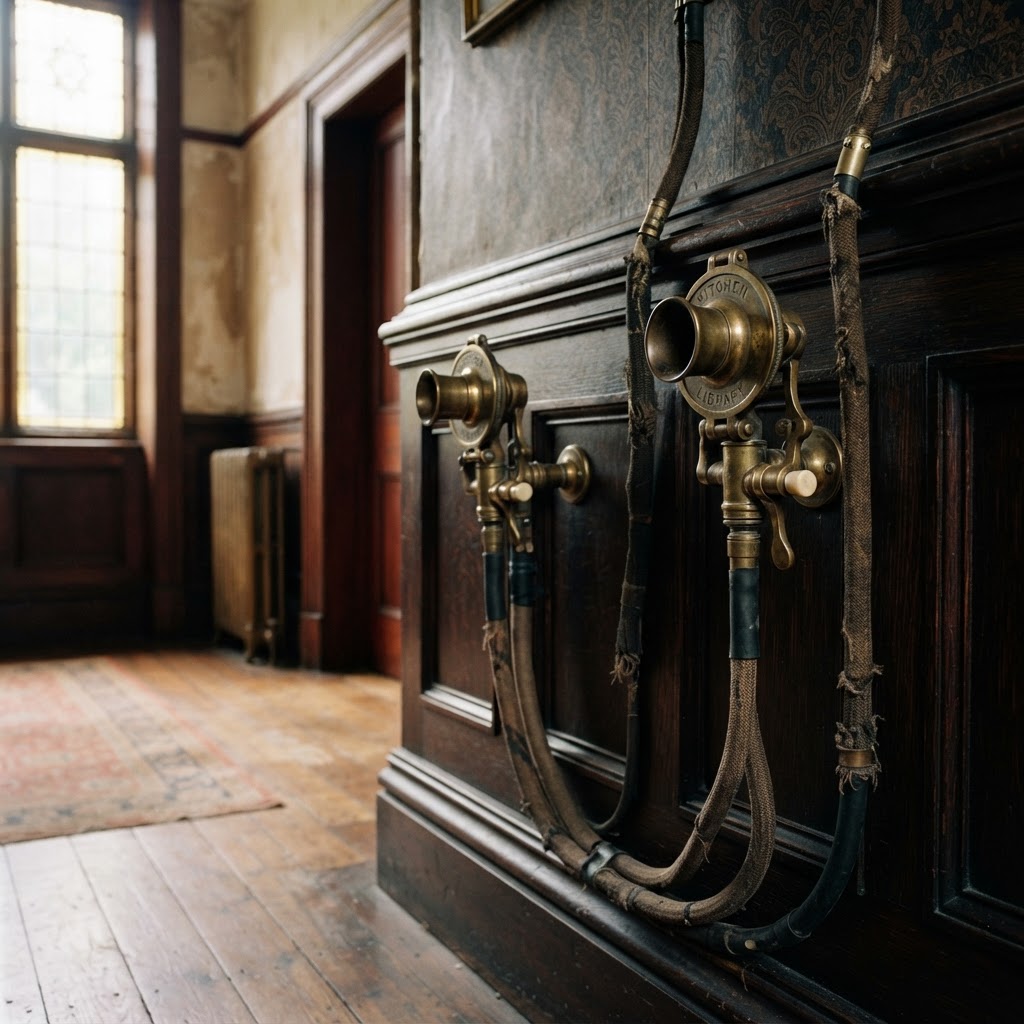
Speaking Tubes: The Victorian Smart Home Intercom System
Before intercoms and smartphones, speaking tubes let households communicate across multiple floors instantly. Discover the fascinating history of this forgotten Victorian feature and what to do if your older home still has one.
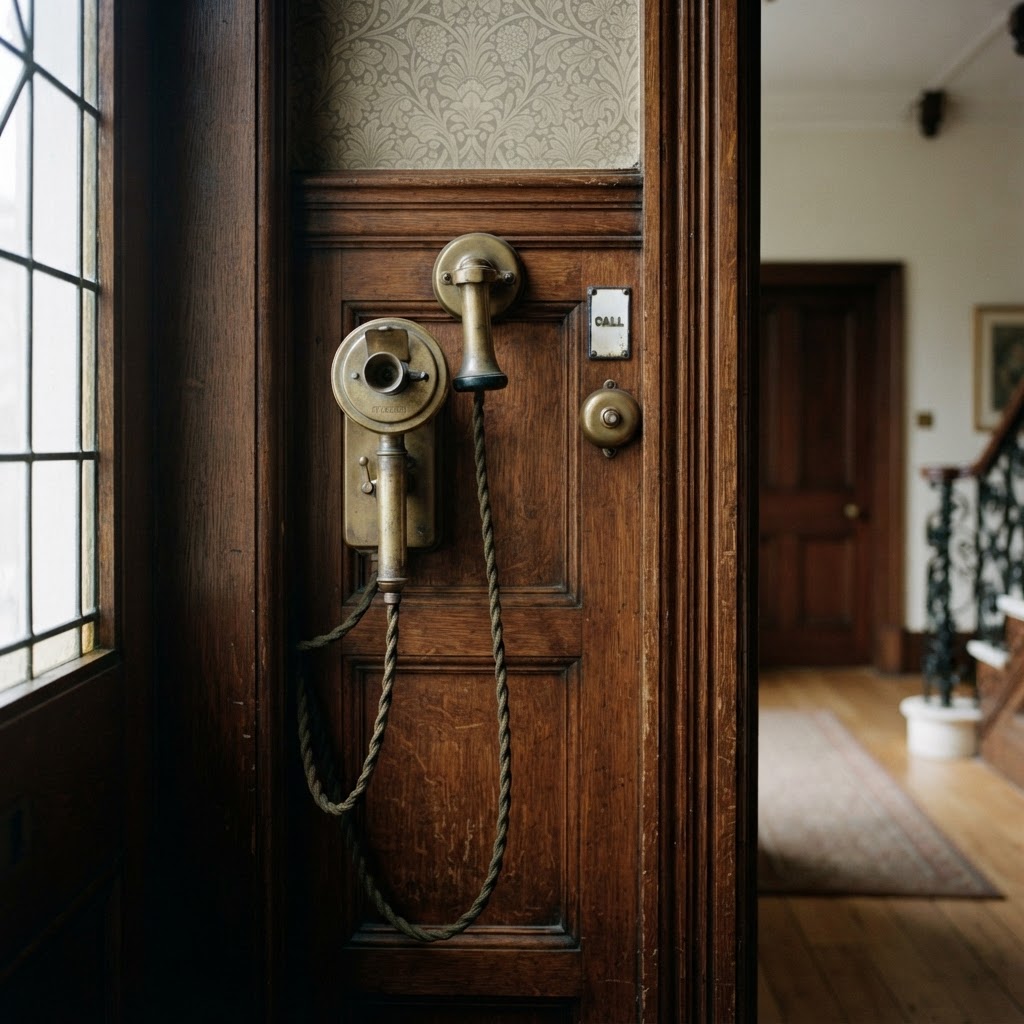
Speaking Tubes: The Victorian Intercom System in Old Homes
Speaking tubes were the original whole-home communication system, letting Victorian homeowners talk between floors without raising their voice. Discover the history, purpose, and modern potential of this fascinating architectural relic.
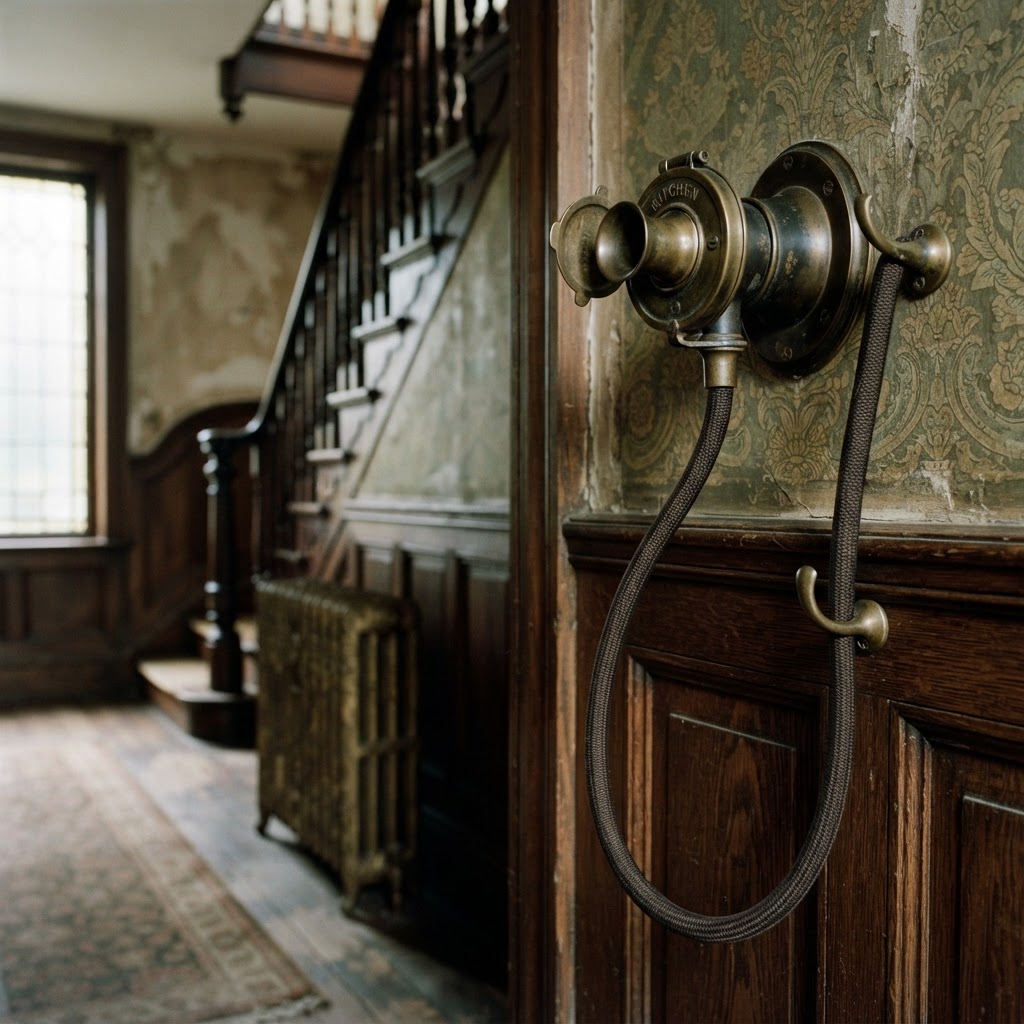
Speaking Tubes: The Victorian Smart Home Intercom System
Before intercoms and smartphones, Victorian homes used speaking tubes to communicate between floors. Discover the history, function, and modern potential of this fascinating architectural relic.
Speaking Tubes: The Victorian Intercom Hidden in Your Walls
Speaking tubes were the original home intercom system, letting residents of grand Victorian and Edwardian homes communicate across floors without raising their voices. Discover the history, function, and modern potential of this fascinating architectural relic.