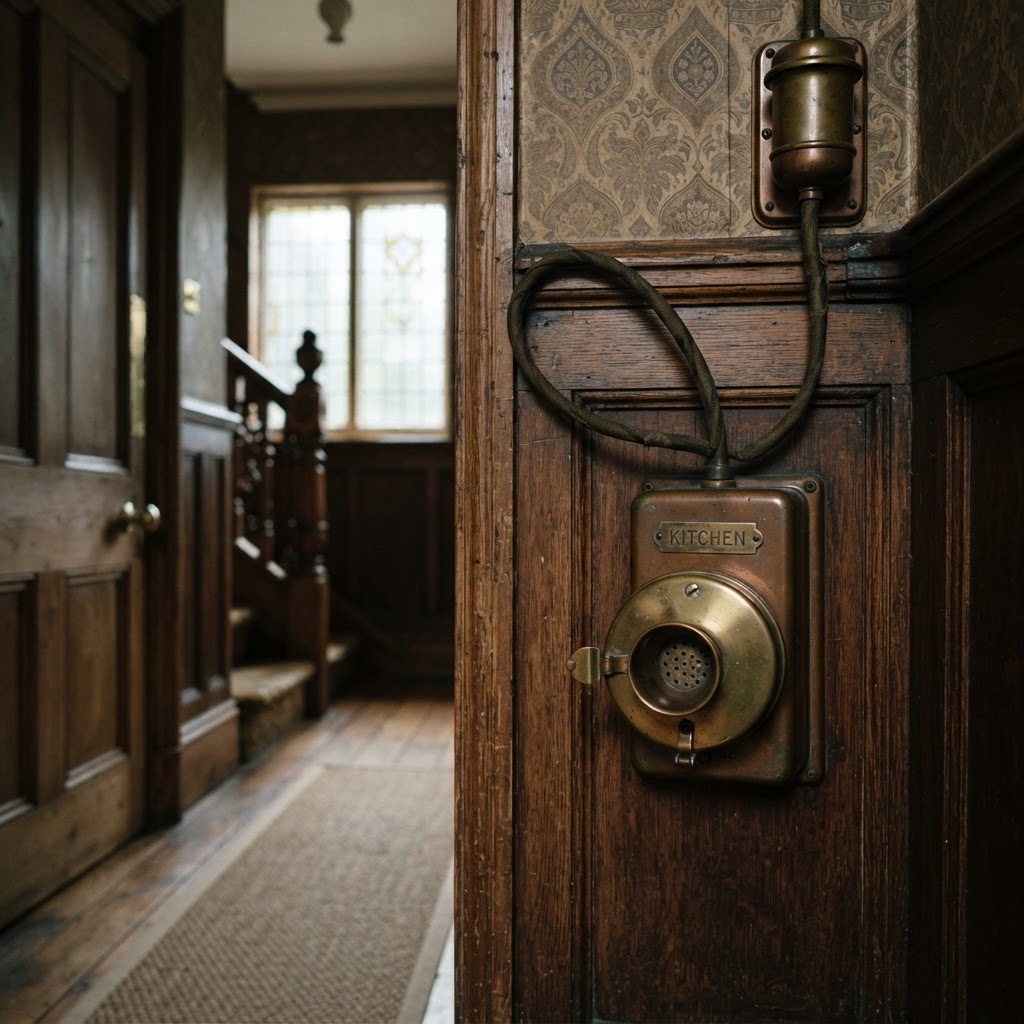
Speaking Tubes: The Victorian Smart Home Intercom System
Long before intercoms and smartphones, speaking tubes let households communicate across multiple floors instantly. Discover the fascinating history of this forgotten feature and what to do if your older home still has one.
What Exactly Is a Speaking Tube?
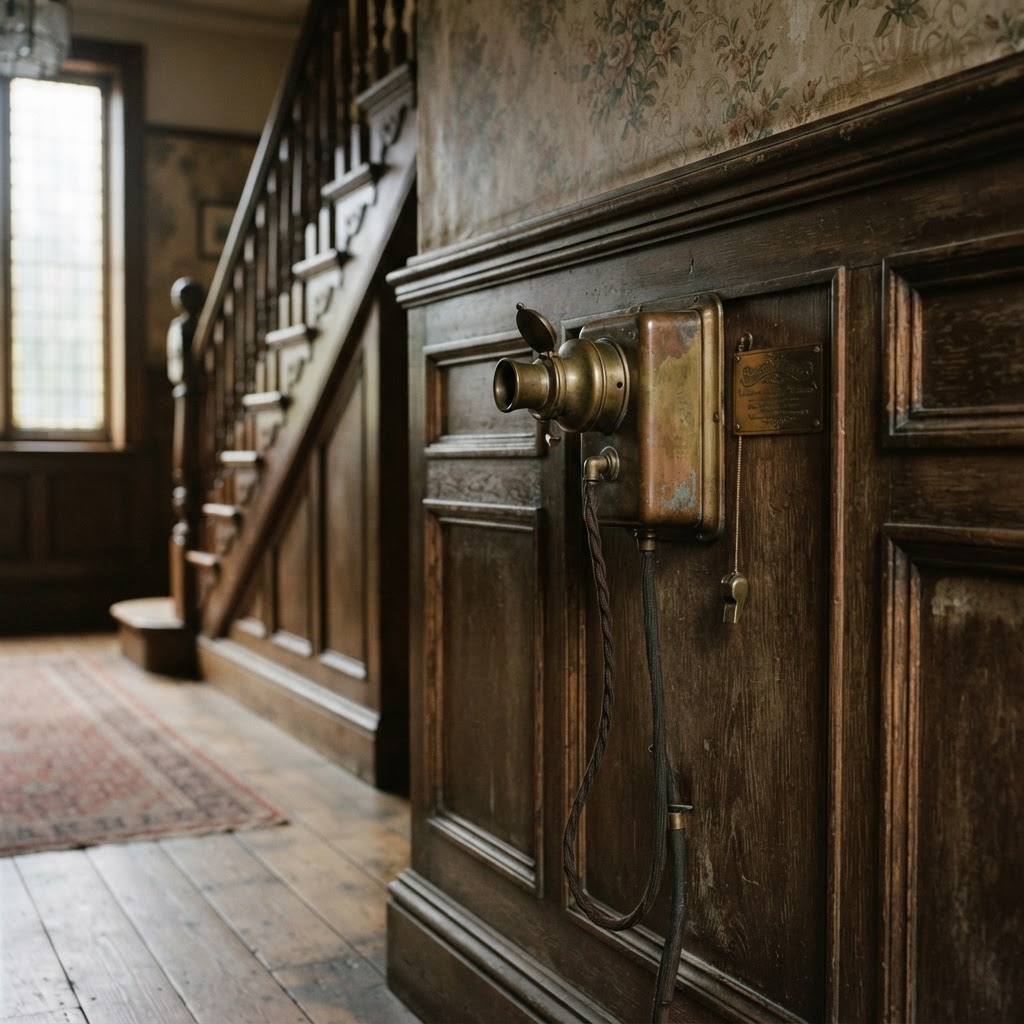
A speaking tube is exactly what it sounds like: a narrow pipe, typically made of brass, tin, or copper, running through the walls and floors of a home to connect two or more rooms. By speaking directly into a flared mouthpiece at one end, your voice would travel through the tube and emerge — surprisingly clearly — at the other end, sometimes dozens of feet away. Many systems included a small whistle or bell mechanism at each station, allowing the sender to alert the recipient before delivering a message.
These weren't crude DIY experiments. Speaking tubes were precision-engineered communication systems, often fitted with elegant brass fittings, ornate wall-mounted mouthpieces, and hinged caps to seal the tube when not in use. In their heyday, they were considered a hallmark of a well-appointed, modern home.
The Historical Era and Purpose
Speaking tubes reached peak popularity in the mid-to-late 1800s through the early 1900s, particularly in large Victorian and Edwardian homes. The feature was common in upper-class and upper-middle-class households that employed domestic staff. The primary use was straightforward: allowing the family on the main floors to communicate efficiently with servants working in the kitchen, basement, or servants' quarters without having to physically walk there or ring a bell and wait.
In practical terms, a homeowner might blow into the parlor tube to alert the kitchen that dinner guests had arrived, or a bedroom mouthpiece might connect directly to a housemaid's room two floors below. Larger estates sometimes featured entire networks of tubes connecting a dozen or more rooms. The same technology was simultaneously used in ships, office buildings, hospitals, and even military installations, where efficient short-distance communication was critical before telephone lines became widespread.
Why Older Homes Had Them
The homes most likely to contain speaking tubes are those built roughly between 1860 and 1920, particularly three-story row houses, Victorian-era townhomes, and grand single-family residences in older urban neighborhoods. These homes were often designed around a domestic service economy, with architectural features built specifically to manage a household staff efficiently. Speaking tubes were installed during original construction, routed through wall cavities alongside plumbing and early gas lines.
Because these tubes were embedded into the structure of the home itself, they didn't simply disappear when households stopped employing servants. Many were capped, plastered over, or forgotten entirely. In some homes, the elegant brass mouthpieces remained visible on walls for decades, puzzling later owners who had no idea what they were looking at.
What Replaced Speaking Tubes
The residential telephone, which became widely affordable and accessible by the 1920s, effectively made speaking tubes obsolete in most homes. Electric intercom systems followed in the mid-20th century, offering even greater flexibility without the need for physical pipe runs through walls. By the time most American households were wiring for electricity and telephones simultaneously, speaking tubes were already being viewed as old-fashioned relics.
Today, of course, smart home intercom systems, video doorbells, and whole-home audio platforms have replaced even those mid-century intercoms. The irony is that speaking tubes required no electricity, no Wi-Fi signal, and no subscription service — they simply worked, powered entirely by the human voice and basic acoustics.
What Homeowners Should Know Today
If you own an older home and discover a speaking tube system — whether fully intact or partially capped — you have several practical options worth considering. First, resist the urge to immediately remove or demolish it. Speaking tube systems are genuinely functional if they remain clear and undamaged, and restoration enthusiasts often find them fully operational after a simple cleaning. Replacement brass fittings are available through specialty architectural salvage dealers and antique hardware suppliers.
From a preservation standpoint, an intact speaking tube system is a rare and historically significant feature that adds authentic character and potential value to a period home. Historic preservation organizations increasingly recognize these systems as worthy of documentation and restoration. If your home is listed on any historic register, consult a preservation specialist before altering or removing the tubes.
For the practically minded homeowner, a restored speaking tube can serve as a genuinely useful, conversation-starting feature — connecting a kitchen to a garden, a home office to a main floor, or simply serving as a memorable reminder of the ingenious low-tech solutions that once defined domestic life.
More Historic Features
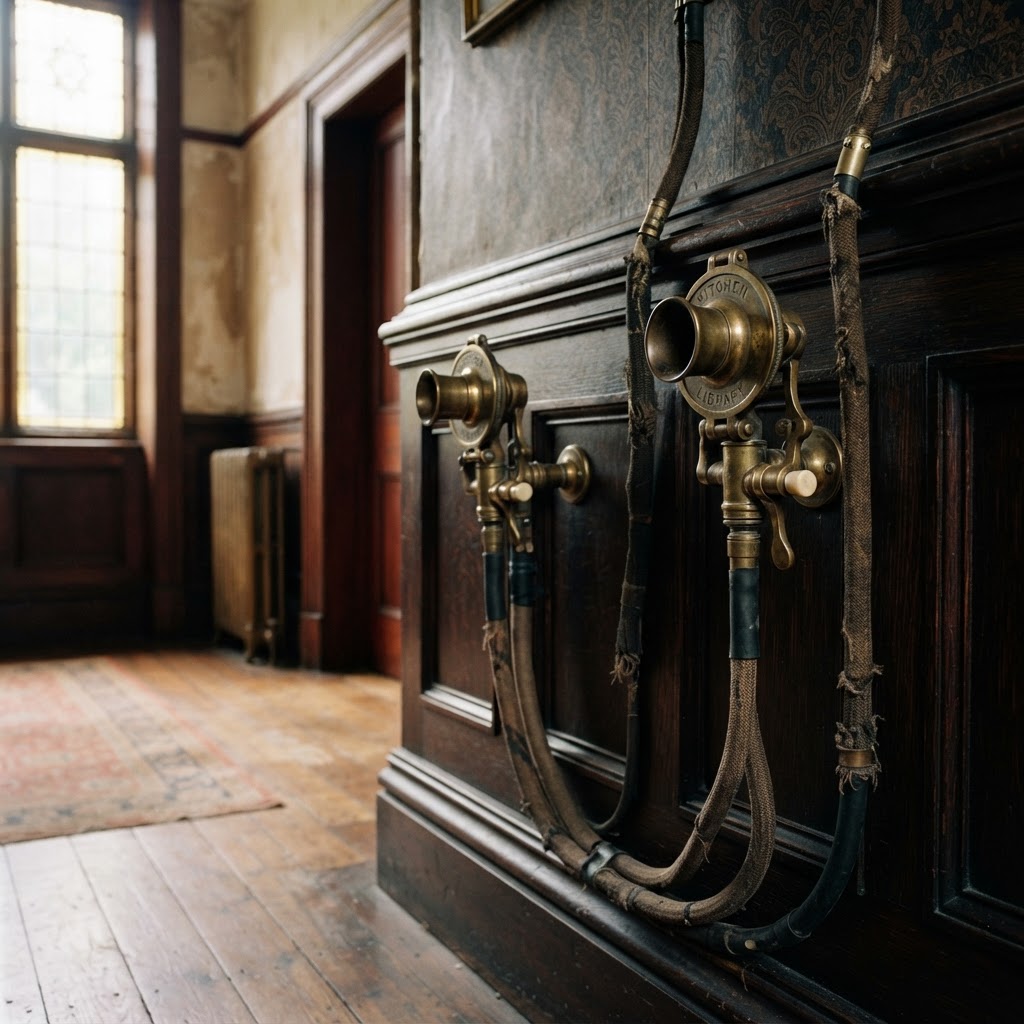
Speaking Tubes: The Victorian Smart Home Intercom System
Before intercoms and smartphones, speaking tubes let households communicate across multiple floors instantly. Discover the fascinating history of this forgotten Victorian feature and what to do if your older home still has one.
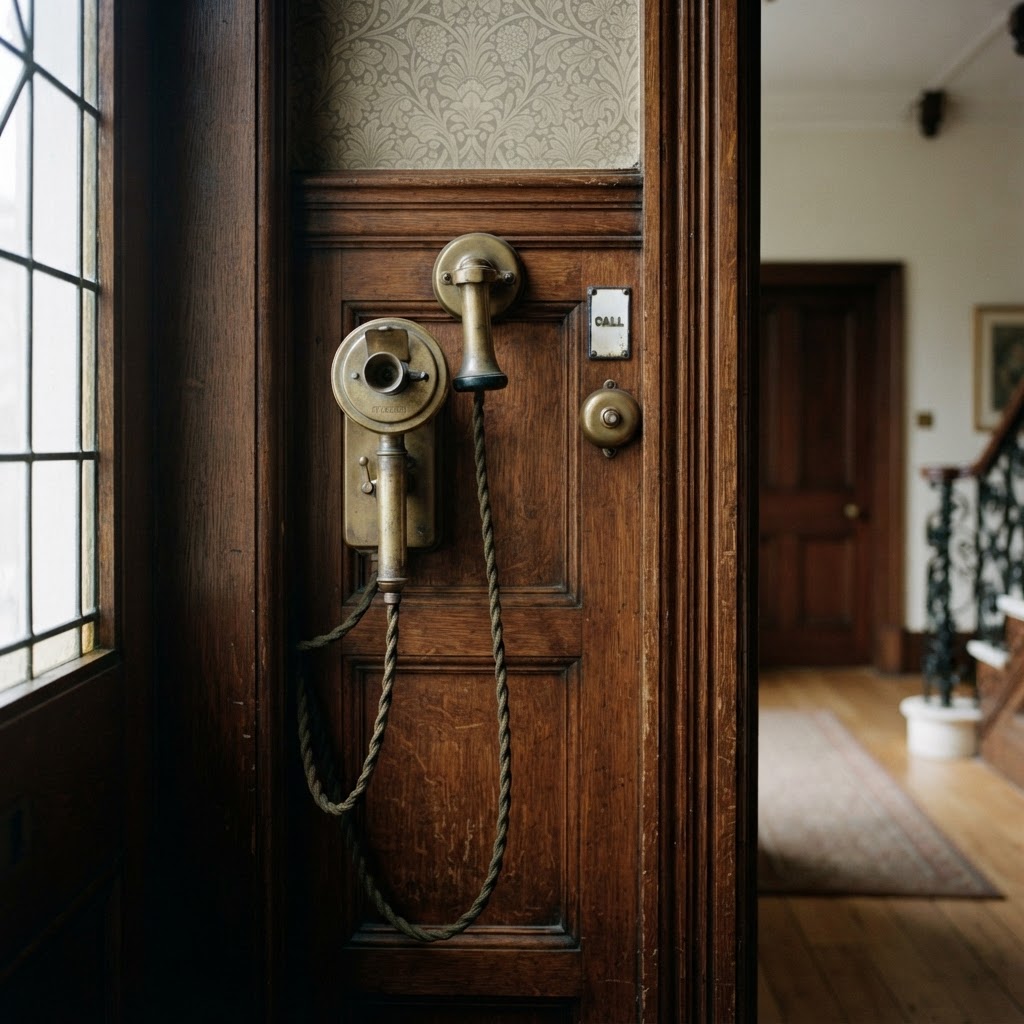
Speaking Tubes: The Victorian Intercom System in Old Homes
Speaking tubes were the original whole-home communication system, letting Victorian homeowners talk between floors without raising their voice. Discover the history, purpose, and modern potential of this fascinating architectural relic.
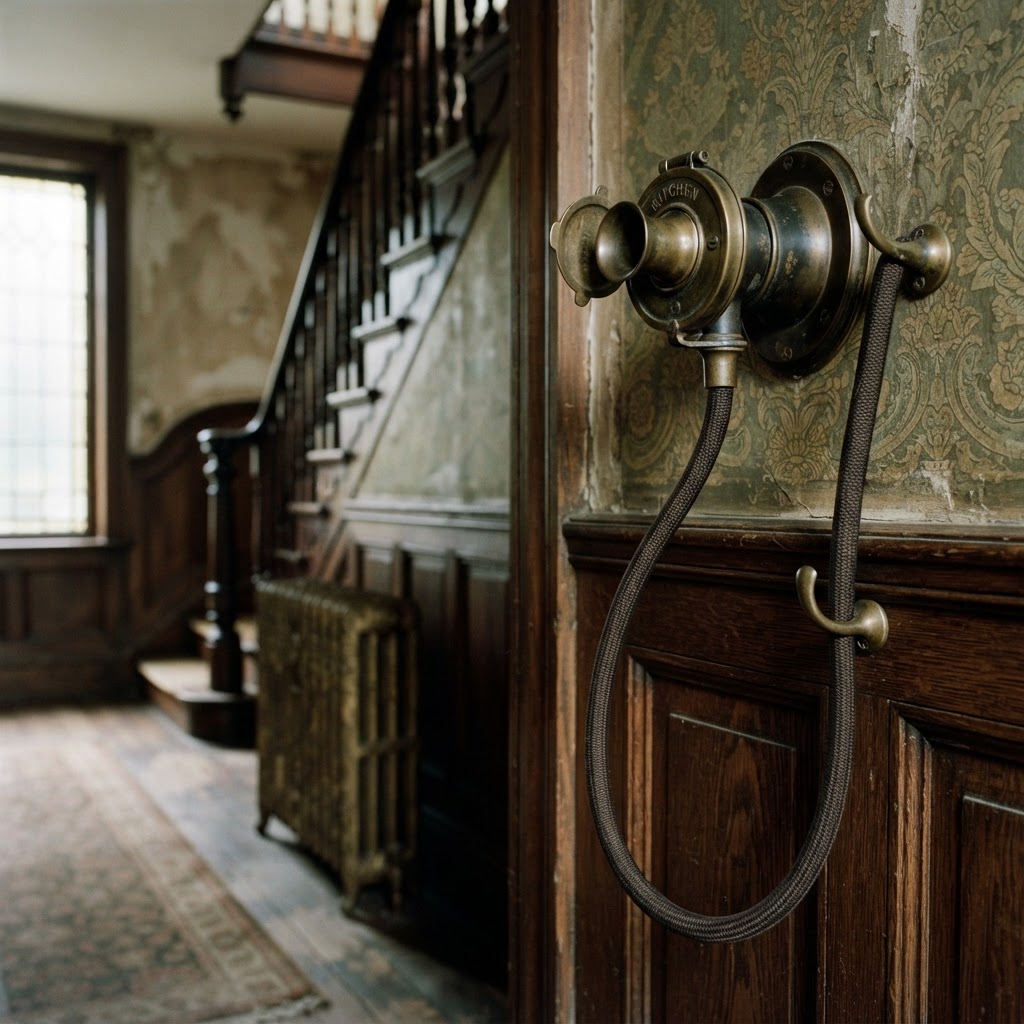
Speaking Tubes: The Victorian Smart Home Intercom System
Before intercoms and smartphones, Victorian homes used speaking tubes to communicate between floors. Discover the history, function, and modern potential of this fascinating architectural relic.
Speaking Tubes: The Victorian Intercom Hidden in Your Walls
Speaking tubes were the original home intercom system, letting residents of grand Victorian and Edwardian homes communicate across floors without raising their voices. Discover the history, function, and modern potential of this fascinating architectural relic.